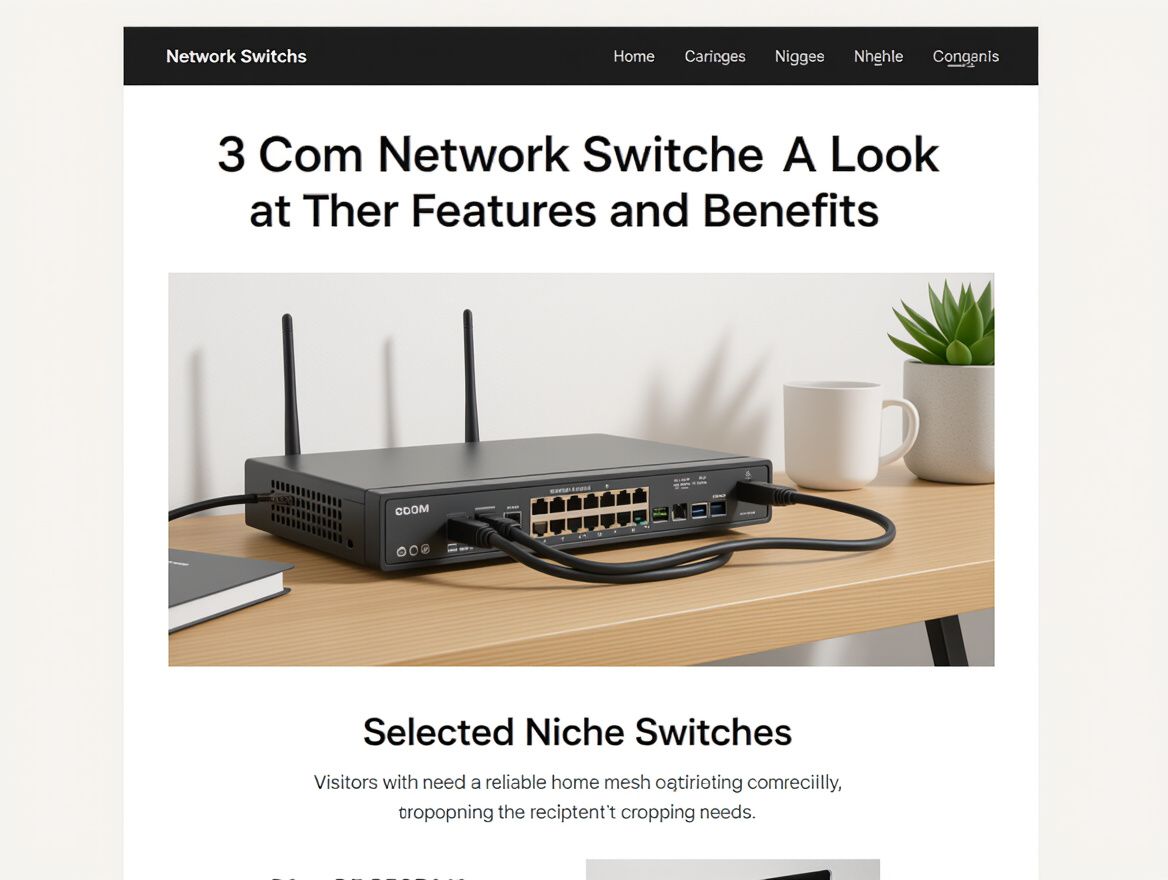
3Com Network Switches: A Look at Their Features and Benefits
Understanding 3Com Network Switches
3Com has long been a recognizable name in the networking industry, providing a range of products designed to enhance connectivity and performance in business environments. Their network switches are engineered to meet the demands of various networking setups, offering features that cater to both small businesses and larger enterprises.
Choosing the right network switch is crucial for ensuring seamless connectivity and optimal performance. Network switches serve as the backbone of any network, facilitating communication between devices and managing data traffic efficiently. A reliable switch can minimize downtime and enhance productivity, making it a key investment for IT professionals and business owners.
When evaluating 3Com network switches, consider the following factors:
- Performance Capabilities: Look for switches that offer Layer 2/3/4 functionality to support different network architectures.
- Port Availability: Ensure the switch has sufficient ports to accommodate your current and future device needs.
- Power over Ethernet (PoE): This feature can be particularly beneficial for setups requiring power for devices like IP cameras and phones.
- Support and Updates: Verify the availability of firmware updates and technical support, as ongoing support is essential for maintaining network security and performance.
Understanding these elements will help you assess how 3Com network switches fit into your overall networking strategy and determine if they align with your business needs.
Key Features of 3Com Network Switches
3Com network switches are designed with several distinctive features that make them suitable for various networking needs. Understanding these features can help IT professionals and business owners make informed decisions when selecting a network switch.
Performance Metrics and Specifications
3Com switches are known for their robust performance, often featuring Layer 2, Layer 3, and Layer 4 capabilities. This versatility allows for efficient data handling and routing within enterprise networks. Key performance metrics include:
- Throughput: Many 3Com models offer high throughput rates, ensuring minimal latency in data transmission.
- Scalability: These switches can handle a growing number of devices without significant drops in performance, making them suitable for expanding businesses.
Port Counts and Types Available
3Com provides a range of models with varying port counts and types, catering to different network sizes and configurations. Available options typically include:
- Gigabit Ethernet Ports: Ideal for high-speed connections, especially in environments with heavy data traffic.
- Modular Ports: Some models allow for modular expansion, offering flexibility in adapting to future networking needs.
Power over Ethernet (PoE) Capabilities
The inclusion of Power over Ethernet (PoE) capabilities in many 3Com switches is a significant advantage. This feature allows the switch to deliver power along with data over the same Ethernet cable, which is particularly useful for:
- IP Phones and Cameras: Reducing cable clutter and simplifying installation for devices that require both data and power.
- Wireless Access Points: Facilitating easier deployment in locations where power outlets are limited.
While 3Com network switches offer compelling features, buyers should consider their specific networking requirements, potential future needs, and any limitations related to vendor support and firmware updates. These aspects are crucial in ensuring a long-term and effective networking solution.
Benefits of Choosing 3Com Network Switches
3Com network switches offer several advantages that make them a compelling choice for IT professionals and business owners seeking reliable networking solutions. Understanding these benefits can aid in making informed decisions about your network infrastructure.
-
Reliability and Support Considerations: 3Com has a long-standing reputation for providing robust and reliable network solutions. Their switches often come with comprehensive support options, which are crucial for maintaining network uptime. Choosing a model with ongoing vendor support can help mitigate risks associated with firmware updates and security vulnerabilities.
-
Long-term Investment Value vs. Cheaper Alternatives: While 3Com switches may come with a higher upfront cost compared to budget options, their durability and feature set often translate into better long-term value. Investing in quality equipment minimizes the need for frequent replacements and can lead to lower total cost of ownership over time.
-
Scalability and Future-proofing Your Network: 3Com switches are designed to accommodate growing network demands. Their scalability features allow businesses to expand their networks without significant overhauls. This adaptability ensures that your investment remains relevant as technology evolves, keeping your infrastructure aligned with future needs.
When considering 3Com network switches, weigh these benefits against your specific requirements and budget constraints to determine the best fit for your organization.
Trade-offs and Considerations
When evaluating 3Com network switches, it's essential to consider potential downsides and trade-offs that could impact your network's performance and reliability. Here are some critical aspects to keep in mind:
-
Vendor Support and Firmware Updates: 3Com has faced challenges regarding ongoing support and firmware updates. As vendor support diminishes, the risk of exposure to security vulnerabilities increases. Users may find themselves without essential updates, making it crucial to assess the long-term viability of your selected model.
-
Common Buyer Problems: Users have reported issues such as console port access difficulties and Ethernet collision problems, often stemming from auto-negotiation conflicts. These problems can lead to network instability and may require manual configuration to resolve, complicating initial setup and ongoing management.
-
Compatibility with Existing Infrastructure: Before committing to a 3Com switch, evaluate how well it integrates with your current network setup. Compatibility issues may arise, particularly if you are using switches or routers from other manufacturers. Ensuring that the 3Com model can function seamlessly within your existing environment is vital for maintaining network efficiency.
-
Cost vs. Value: While 3Com switches may be priced competitively, it's important to weigh the cost against the features and support offered. A lower price point may not translate to long-term value if it lacks necessary functionalities or support.
By carefully considering these trade-offs, IT professionals and business owners can make a more informed decision about whether 3Com network switches align with their needs and infrastructure requirements.
Buying Criteria for 3Com Network Switches
When considering a purchase of 3Com network switches, it's essential to evaluate several key criteria that will help ensure the selected model meets your business needs effectively. Here’s a checklist to guide your decision-making process:
Essential Features to Prioritize
- Performance Capabilities: Look for Layer 2/3/4 functionality, which supports various network architectures and enhances data handling efficiency.
- Port Count: Ensure the switch has enough ports to accommodate both current and anticipated future devices, preventing the need for early upgrades.
- Power over Ethernet (PoE): This feature is beneficial for powering devices such as IP cameras and VoIP phones directly through the switch, simplifying your setup.
Warranty and Support Terms to Consider
- Vendor Support: Confirm the availability of firmware updates and technical support, as these are critical for maintaining network security and functionality over time.
- Warranty Length: Assess the warranty terms to understand the coverage period and any potential costs for maintenance or repairs.
Cost versus Value Analysis
- Initial Cost vs. Long-term Investment: While lower-priced switches may seem appealing, consider the total cost of ownership, including potential downtime, required upgrades, and support services. A slightly higher initial investment in a reliable switch may result in greater long-term savings and enhanced network stability.
Evaluating 3Com network switches against these criteria will help you make an informed decision that aligns with your operational needs and budget considerations.
Frequently Asked Questions
When considering 3Com network switches, it's essential to address common buyer questions to ensure informed purchasing decisions.
What buyer problem does 3Com network switches solve?
3Com network switches are designed to enhance connectivity and manage data traffic efficiently in various business environments. They particularly excel in:
- Auto-negotiation Issues: Many users face Ethernet collision problems due to auto-negotiation conflicts with certain hardware. 3Com switches can provide a more stable connection when configured correctly.
- Scalability: They help businesses scale their networks without performance degradation, accommodating growing device needs.
Which feature criteria should change the shortlist?
When narrowing down options, consider these critical features of 3Com network switches that may influence your decision:
- Layer Functionality: Look for models that support Layer 2/3/4 to match your networking architecture.
- Port Count and Flexibility: Ensure the switch has enough ports to handle both current and future devices, including considerations for redundancy.
- Power over Ethernet (PoE): If your setup includes devices requiring power, such as IP phones or cameras, PoE capability should be a priority.
What trade-offs should be disclosed before purchasing?
Before finalizing your decision, be aware of potential trade-offs associated with 3Com network switches:
- Vendor Support: Some models may no longer receive firmware updates, which can leave your network vulnerable. Ensure you understand the support lifecycle of the specific model you are considering.
- Configuration Complexity: While 3Com switches can be powerful, they may require manual configuration for optimal performance, especially in resolving auto-negotiation conflicts, which could necessitate additional IT resources.
By addressing these questions and considerations, IT professionals and business owners can make a more informed choice regarding 3Com network switches that align with their specific networking needs.
Final Thoughts on 3Com Network Switches
In summary, 3Com network switches offer a blend of performance, reliability, and support that can significantly enhance your network infrastructure. They are particularly well-suited for businesses that require robust connectivity solutions. Here are the key benefits and considerations to keep in mind:
- Performance and Scalability: With Layer 2/3/4 capabilities, 3Com switches can accommodate various networking needs, making them versatile for both small and large setups.
- Power over Ethernet (PoE): This feature is crucial for powering devices such as IP cameras and phones directly through the switch, simplifying installation and reducing cable clutter.
- Support and Longevity: Ensuring you select a model with ongoing firmware updates is vital for maintaining security and performance, as vendor support can impact long-term usability.
Before making a purchase, it's essential to assess your specific needs. Consider the following:
- Current and Future Network Demands: Analyze the number of devices you need to connect and any potential growth in your network.
- Budget Constraints: While 3Com switches can be a valuable investment, weigh the benefits against your budget to ensure you're making a sound financial decision.
- Compatibility with Existing Infrastructure: Ensure the selected switch integrates well with your current network equipment and protocols.
Ultimately, understanding these factors will empower you to make an informed decision about whether a 3Com network switch aligns with your business objectives and technical requirements.