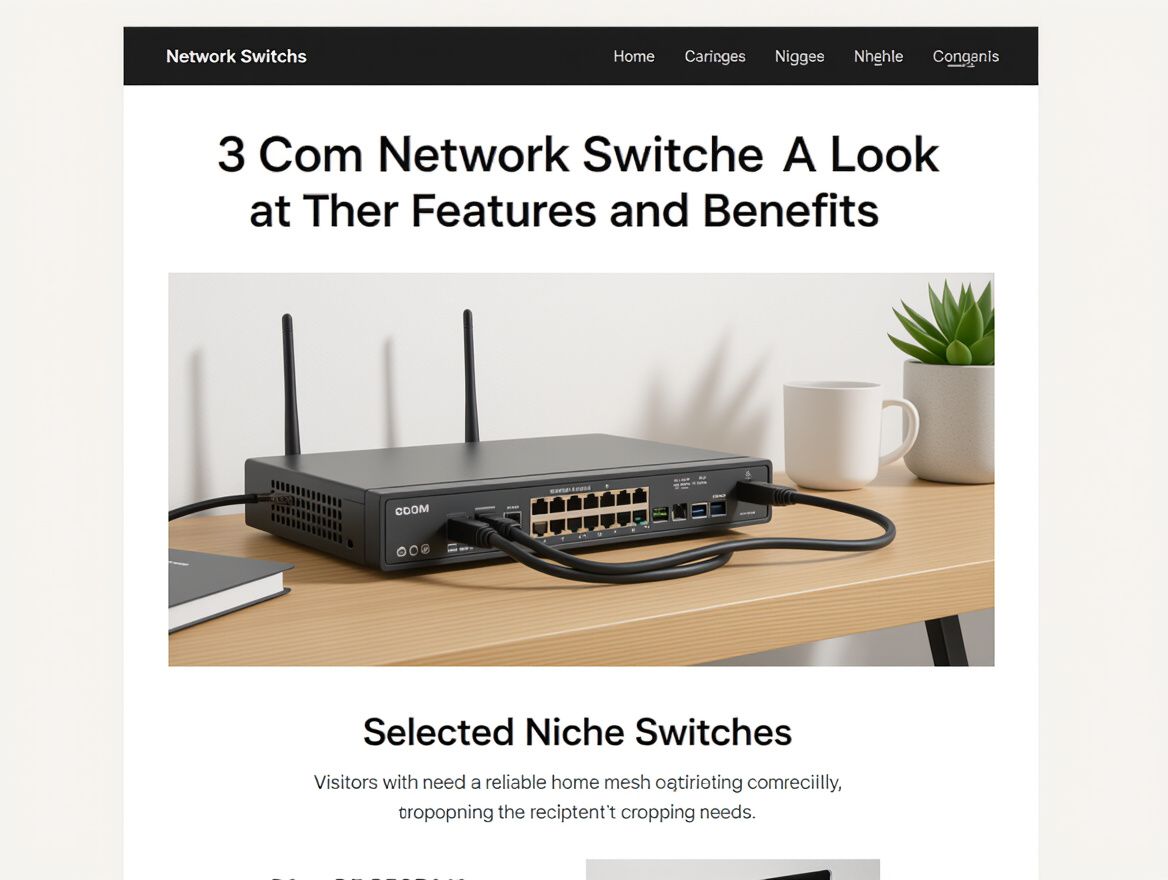
Are Arista Network Switches Worth the Investment? Pros and Cons

Understanding Arista Network Switches
Arista network switches are advanced networking devices designed primarily for data centers and enterprise environments requiring high performance and scalability. Known for their low latency and high port density, Arista switches support a range of applications, from cloud computing to big data analytics, making them a strong contender in the networking market.
Founded in 2004, Arista Networks has rapidly evolved to become a major player in the industry, competing closely with giants like Cisco. The company has distinguished itself through its innovative Extensible Operating System (EOS), which offers a modern command-line interface (CLI) and robust programmability features. This evolution reflects a growing demand for flexibility and efficiency in network management, particularly as businesses transition to cloud-based infrastructures.
Selecting the right network switch is crucial for any organization, as it directly impacts network performance, reliability, and scalability. IT professionals must evaluate their specific business needs, considering factors such as traffic patterns, application requirements, and future growth. Arista switches may be particularly beneficial for organizations prioritizing high-performance networking and requiring advanced features, but it’s essential to weigh these benefits against alternatives to ensure the best fit for your infrastructure investment.
Key Features of Arista Network Switches
When evaluating Arista network switches, it's essential to understand their standout features and specifications, as these can significantly influence your investment decision. Here’s a breakdown of the key attributes that set Arista switches apart:
-
Performance Metrics: Arista switches are known for their low latency and high throughput, making them suitable for environments that require rapid data processing and minimal delays. This performance is critical for applications in data centers and high-frequency trading scenarios.
-
Scalability and Port Density: Designed to accommodate large-scale operations, Arista switches offer impressive port density. This means you can support more devices without needing additional hardware, which can lead to cost savings in both equipment and management overhead. Their architecture allows for seamless scaling as network demands grow.
-
Operating System and Management Interface: Arista's Extensible Operating System (EOS) is a Linux-based platform that provides a modern and intuitive command-line interface. This streamlined CLI can facilitate quicker configuration and management, reducing the learning curve for IT professionals. The EOS environment also supports advanced features like automation and programmability, which can enhance operational efficiency.
These features collectively contribute to the value proposition of Arista network switches, making them a compelling option for organizations looking to invest in robust networking infrastructure. However, it's crucial to weigh these advantages against your specific networking needs and potential alternatives in the market.
Arista vs. Competitors: A Comparative Analysis
When considering Arista network switches for your infrastructure needs, it's essential to evaluate them against major competitors like Cisco and HPE. Each brand has its strengths and weaknesses, which can significantly influence your investment decision.
Performance and Features
- Arista: Known for its high-density configurations, Arista switches excel in environments requiring low latency and high port density. Their modern command-line interface (CLI) is designed for streamlined configuration, which can enhance operational efficiency.
- Cisco: While Cisco offers a broader range of features, including extensive programmability and robust support for various networking protocols, it may come with a steeper learning curve due to its complex CLI. Cisco's Catalyst series, such as the 9000 family, is particularly noted for its advanced capabilities in large-scale deployments.
- HPE: HPE networking solutions focus on flexibility and scalability, providing solid performance for enterprise environments. However, they may not match Arista's performance in ultra-high-density applications.
Pricing Strategies and Support Options
- Arista: Generally positioned as a premium option, Arista's pricing reflects its high-performance capabilities. Support packages are available, but costs may be higher compared to competitors, which can be a critical factor for budget-conscious organizations.
- Cisco: Cisco's pricing can vary significantly depending on the product line and features. They offer extensive support options, including on-site assistance and a vast online knowledge base, which can justify the investment for many organizations.
- HPE: HPE typically offers competitive pricing, especially for mid-range products, making it an attractive option for organizations looking to balance cost and performance. Their support services are also robust but may not have the same breadth as Cisco's.
Customer Satisfaction and Market Reputation
- Arista: Arista has garnered a strong reputation in the data center market, particularly among users who prioritize performance and modern features. Customer satisfaction tends to be high, especially among tech-savvy organizations.
- Cisco: As a long-standing player in the networking market, Cisco enjoys broad recognition and trust. Many IT professionals are familiar with Cisco products, contributing to its strong market position and customer loyalty.
- HPE: HPE's reputation is solid, particularly in enterprise environments. However, it may not have the same level of brand recognition in high-performance scenarios as Arista and Cisco.
Conclusion
Evaluating Arista network switches against Cisco and HPE requires careful consideration of performance, pricing, and customer support. Each brand has its unique advantages, and the right choice will depend on your specific networking needs, budget constraints, and the level of support your organization requires. Balancing these factors will help you make an informed investment decision that aligns with your operational goals.
Buying Criteria for Network Switches
When considering an investment in Arista network switches, it's essential to evaluate several key factors to ensure they align with your organization's needs. Here’s a checklist to guide your decision-making process:
-
Assess Network Size and Requirements:
- Determine the scale of your network. Are you operating in a small office, a large enterprise, or a data center environment?
- Analyze current and anticipated traffic loads to ensure the switch can handle your bandwidth requirements.
-
Evaluate Support and Warranty Options:
- Investigate the support services offered by Arista, including technical assistance and troubleshooting resources.
- Review warranty terms to understand the coverage duration and what is included, ensuring that you have adequate protection for your investment.
-
Consider Future Scalability and Technology Trends:
- Think about your organization's growth plans. Will your network need to scale up in the near future?
- Stay informed about emerging technology trends that could impact your network infrastructure, such as advancements in cloud computing and increased demand for automation.
By systematically evaluating these criteria, IT professionals can make informed decisions about whether Arista network switches are the right fit for their specific networking needs, balancing the benefits against potential alternatives in the market.
Potential Risks and Trade-offs
Investing in Arista network switches comes with specific risks and trade-offs that IT professionals must consider. While these switches are designed for high performance and scalability, understanding their limitations can help ensure an informed decision.
-
Compatibility Issues: Before integrating Arista switches into your existing infrastructure, assess compatibility with current hardware and software. Some organizations have reported challenges when interfacing Arista switches with legacy systems or other vendors' equipment, which may require additional investment in adapters or new configurations.
-
Long-term Support Considerations: Arista’s EOS is a powerful operating system, but organizations should evaluate the long-term support and updates available. Unlike some competitors that offer lifetime support on certain models, Arista's service agreements may necessitate ongoing costs for support and maintenance. This factor can significantly impact the total cost of ownership over time.
-
Cost vs. Benefit Analysis: While Arista switches are often associated with high performance, it’s essential to conduct a thorough cost-benefit analysis. Consider whether the features provided by Arista justify the investment compared to alternatives like Cisco or HPE, which may offer similar capabilities at different price points. Additionally, evaluate the potential return on investment based on your organization's specific networking needs, including scalability and future growth.
By carefully weighing these risks and trade-offs, IT professionals can make a more informed decision about whether Arista network switches align with their organizational goals and infrastructure requirements.
Frequently Asked Questions About Arista Network Switches
When considering Arista network switches, IT professionals often have specific questions that can influence their investment decisions. Here are some common inquiries along with insights to help you evaluate their value against alternatives.
What problems do Arista network switches solve better than alternatives?
Arista network switches are particularly effective in high-density environments and large-scale data centers. They excel in:
- Low Latency: Arista switches are engineered for minimal latency, making them suitable for applications requiring rapid data processing.
- High Port Density: They offer a higher number of ports within a compact form factor, which is advantageous for organizations needing to maximize space and connectivity.
- Advanced Programmability: With the Extensible Operating System (EOS), Arista provides a modern CLI and robust automation capabilities that can simplify network management compared to traditional alternatives like Cisco.
What are the critical comparison criteria for shortlisting switches?
When evaluating Arista switches against alternatives, consider the following criteria:
- Performance Metrics: Look at throughput, latency, and packet processing capabilities.
- Scalability Options: Assess how easily the switch can adapt to growing network demands, including support for virtualization and cloud integration.
- Management Features: Evaluate the ease of use of the management interface and available automation tools.
- Support and Reliability: Investigate warranty terms, customer support responsiveness, and community resources.
What claims need further verification before purchase?
Before committing to Arista network switches, it’s essential to verify certain claims, such as:
- Compatibility with Existing Infrastructure: Ensure that Arista switches can integrate seamlessly with your current networking equipment and protocols.
- Long-term Performance: Look for case studies or testimonials that demonstrate the switch's reliability and performance over time in environments similar to yours.
- Cost of Ownership: Assess not just the initial purchase price but also ongoing maintenance, power consumption, and potential scalability costs.
By addressing these questions and concerns, IT decision-makers can make a more informed choice about whether Arista network switches align with their organizational needs and investment goals.
Is an Arista Network Switch Right for You?
In evaluating whether Arista network switches are a worthy investment, it's crucial to recap the pros and cons discussed throughout the article. Arista switches offer significant advantages in terms of performance, scalability, and advanced features, particularly for high-demand environments such as data centers. Their modern CLI and robust programmability through the EOS provide flexibility that can enhance network management efficiency.
However, potential drawbacks include a higher cost compared to some alternatives, which may not be justifiable for smaller organizations or those with less demanding networking needs. Additionally, while Arista excels in specific use cases, other brands like Cisco or HPE may offer features or support that better align with certain business requirements.
Ultimately, the decision to invest in Arista network switches should be guided by your organization's specific networking needs. Consider factors such as:
- Current and Future Network Demands: Evaluate whether your current infrastructure can accommodate growth and if Arista's scalability aligns with your long-term goals.
- Budget Constraints: Weigh the cost against the potential benefits of enhanced performance and features, particularly if your operations require high throughput and low latency.
- Compatibility with Existing Systems: Ensure that the integration of Arista switches with your current network architecture will be seamless and effective.
In conclusion, while Arista network switches provide compelling benefits, careful consideration of your organization's unique requirements will help determine if they are indeed the right fit for your network infrastructure investment.