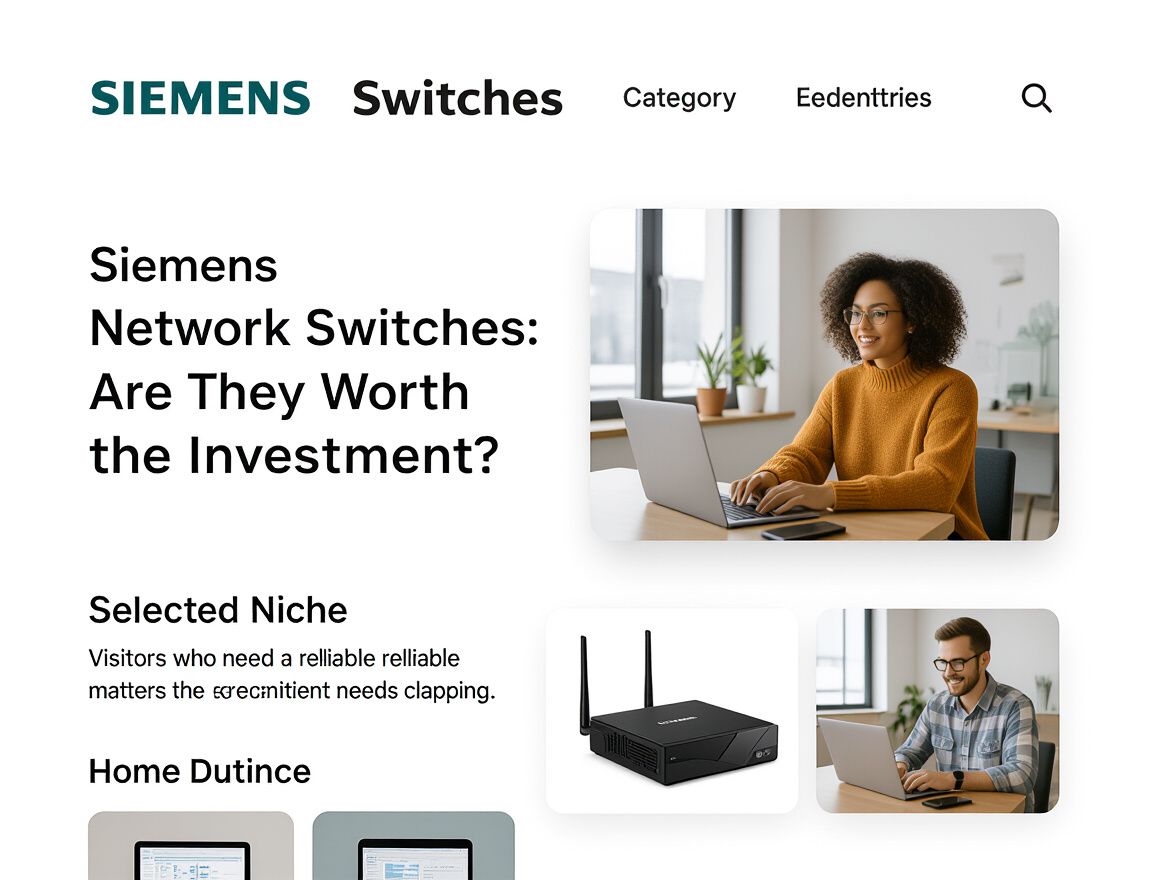
Tenda Network Switches: Affordable Options for Home Use

Understanding Tenda Network Switches
Tenda network switches are essential devices designed to connect multiple devices within a home network, ensuring efficient data traffic management. They facilitate communication between computers, printers, and other networked devices, making them particularly well-suited for home users looking to enhance their connectivity without breaking the bank.
Why They Are Suitable for Home Networking
Home users often seek budget-friendly solutions that do not compromise on performance. Tenda network switches meet this demand by offering:
- Affordability: With various models available at competitive prices, Tenda switches provide an economical option for enhancing home networks.
- Ease of Use: Many Tenda switches are plug-and-play, requiring minimal setup, making them ideal for users with limited technical expertise.
- Versatility: They support a range of devices and can be used in various home settings, from small apartments to larger homes.
Overview of Their Benefits
Investing in a Tenda network switch can bring several advantages to your home networking setup:
- Improved Speed: By managing data traffic effectively, these switches can enhance network speeds, reducing lag during online activities like gaming or streaming.
- Scalability: Tenda switches often come with multiple ports, allowing users to expand their network as needed without significant additional costs.
- Reliability: Designed to handle everyday home networking demands, Tenda switches offer consistent performance with minimal downtime.
Overall, Tenda network switches represent a practical choice for home users seeking reliable and affordable networking solutions.
Key Buying Criteria for Tenda Network Switches
When considering Tenda network switches for your home networking needs, several essential factors can influence your decision. Here’s a checklist to help you evaluate your options effectively:
-
Port Count and Types: Determine how many devices you plan to connect. Tenda switches come in various configurations, including models with 5, 8, 16, or even 24 ports. Ensure the switch has the right mix of standard Ethernet ports and any additional types you may need, such as fiber ports for future-proofing.
-
Speed Specifications: Look at the speed ratings of the switch. Tenda network switches generally offer Gigabit Ethernet (1000 Mbps) and Fast Ethernet (100 Mbps) options. Gigabit switches are preferable for high-speed internet usage, especially if you stream media or play online games.
-
Power over Ethernet (PoE) Capabilities: If you plan to power devices like IP cameras or VoIP phones through the network cable, consider a Tenda switch with PoE capabilities. This feature simplifies wiring and reduces the need for additional power sources.
-
Size and Form Factor: Evaluate the physical dimensions of the switch to ensure it fits your available space. Tenda offers both desktop and rack-mounted models, so choose according to your setup preferences and space constraints.
By carefully assessing these criteria, you can find a Tenda network switch that aligns with your home networking requirements while staying within budget.
Trade-offs and Considerations
While Tenda network switches offer budget-friendly solutions for home networking, there are several trade-offs and considerations to keep in mind before making a purchase.
-
Limitations in Advanced Features: Tenda switches generally lack the advanced features found in higher-end models, such as extensive management capabilities or advanced security options. This may limit their functionality in more complex networking environments or for users who require granular control over their network settings.
-
Scalability Concerns: If you anticipate needing to expand your network in the future, Tenda switches may pose limitations. Many models are designed for smaller setups and could struggle to support additional devices or higher data throughput as your needs grow. It's essential to assess your current and future networking requirements to avoid potential bottlenecks.
-
Common Failure Points: Like any networking hardware, Tenda switches can experience failures. Common issues include module failures due to wear and tear, overheating from inadequate ventilation, and hardware malfunctions. Regular maintenance, such as ensuring proper cooling and monitoring for power surges, can mitigate some of these risks, but it’s still a factor to consider when investing in budget options.
-
Maintenance Needs: Lower-cost switches might require more frequent maintenance or troubleshooting, especially if they are subjected to heavy usage. Understanding the potential for increased maintenance can help you weigh the overall cost-effectiveness of choosing a Tenda switch versus a more robust model.
By evaluating these trade-offs, you can make a more informed decision about whether a Tenda network switch aligns with your home networking needs.
Is a Tenda Network Switch Right for You?
Determining whether a Tenda network switch is suitable for your home networking needs involves assessing several key factors. Understanding your current and future network demands, compatibility with existing hardware, and budget constraints will help you make an informed choice.
-
Current and Future Network Demands: Consider the number of devices you plan to connect now and in the future. If you have multiple smart devices, computers, and streaming services, you may need a switch with a higher port count and speed capabilities. Tenda offers a range of options, from basic models to those that support more extensive network configurations.
-
Existing Hardware Compatibility: Evaluate the compatibility of Tenda network switches with your current devices. Ensure that the switch supports the same Ethernet standards (e.g., Fast Ethernet vs. Gigabit Ethernet) as your existing hardware. This will help avoid bottlenecks and ensure optimal performance across your network.
-
Budget Constraints: Tenda network switches are known for their affordability, but it’s crucial to set a budget that aligns with your networking needs. Weigh the features against their costs. Higher-end models may offer advanced features like Power over Ethernet (PoE), which can be beneficial for powering devices directly through the network cable, but assess if you truly need these capabilities.
By carefully considering these aspects, you can determine if a Tenda network switch aligns with your home networking requirements and budget, ultimately enhancing your connectivity experience.
Risks of Choosing Tenda Network Switches
While Tenda network switches present budget-friendly options for home networking, there are several risks to consider before making a purchase. Understanding these potential pitfalls can help you make a more informed decision.
-
Overheating and Power Surges: Tenda switches may be susceptible to overheating, particularly if they are placed in poorly ventilated areas or subjected to high ambient temperatures. This can lead to hardware failures over time. Additionally, power surges can damage internal components, impacting performance and reliability.
-
Configuration Errors: Incorrect settings during the initial setup can lead to network issues. For example, improperly configured VLANs or IP addresses can disrupt connectivity among devices. Such configuration errors may require time and technical knowledge to resolve, which can be a hassle for home users.
-
Long-Term Reliability Concerns: As with many budget-friendly devices, long-term reliability can be a concern. While Tenda products are generally well-regarded, potential wear and tear from continuous use may lead to failures or reduced performance over time. Users should consider whether they are comfortable with the possibility of needing replacements sooner than with higher-end alternatives.
By weighing these risks against your networking needs and budget, you can better assess whether a Tenda network switch is the right choice for your home setup.
Frequently Asked Questions about Tenda Network Switches
When considering Tenda network switches for your home networking needs, you may have some common questions. Here are answers to help you make an informed decision:
What are the main advantages of Tenda network switches?
Tenda network switches are designed to provide affordable and efficient networking solutions for home users. Key advantages include:
- Cost-Effectiveness: Tenda switches are generally priced lower than many competitors, making them accessible for budget-conscious consumers.
- User-Friendly Setup: Many models feature plug-and-play functionality, allowing for easy installation without complex configurations.
- Variety of Options: Tenda offers a range of models, from basic unmanaged switches to more advanced managed switches, catering to different networking needs.
How do Tenda switches compare with other brands?
While Tenda network switches are known for their affordability, it's essential to consider how they stack up against other brands:
- Performance: Tenda typically provides solid performance for everyday home use. However, higher-end brands may offer features like advanced management capabilities, better support, and longer warranties.
- Feature Set: Compared to premium brands, Tenda switches may lack some advanced features such as extensive VLAN support or robust security options, which could be crucial for more complex networking environments.
- Customer Support: Tenda offers support options, but the responsiveness and availability may vary compared to larger, seasoned brands known for extensive customer service.
What support options are available for Tenda products?
Tenda provides several support avenues for their products:
- Online Resources: Their website includes a knowledge base, FAQs, and user manuals that can assist with common issues.
- Technical Support: Customers can reach out to Tenda’s technical support team via email or phone for more complex inquiries.
- Community Forums: Engaging with Tenda's community forums can provide additional insights and solutions from other users who have experienced similar challenges.
By understanding these aspects of Tenda network switches, you can better assess whether they meet your home networking needs while considering your budget and expectations.
Final Thoughts on Tenda Network Switches
In summary, Tenda network switches offer a range of budget-friendly options ideal for home users looking to enhance their networking capabilities. These switches are designed to meet various home networking needs, providing reliable performance without breaking the bank.
Key Benefits:
- Affordability: Tenda switches are priced competitively, making them accessible for users who want to improve their home network without significant investment.
- Flexibility: With various port counts and configurations, Tenda switches can accommodate a wide range of devices, from smart home gadgets to gaming consoles.
- Ease of Use: Many Tenda models feature plug-and-play functionality, simplifying the setup process for users who may not be tech-savvy.
Considerations:
- Performance Needs: Assess your specific usage requirements. For instance, if you frequently stream high-definition content or play online games, a Gigabit switch may be more beneficial.
- Future-Proofing: Consider whether you might need additional ports or advanced features, such as Power over Ethernet (PoE), as your network grows.
- Environmental Factors: Ensure that the switch is placed in a well-ventilated area to prevent overheating, which can lead to hardware failures over time.
Informed Decision-Making:
When choosing a Tenda network switch, it’s essential to evaluate your current and future networking needs. Identify how many devices you plan to connect and the types of applications you will be using. This assessment will help you select a model that not only fits your budget but also serves your home networking requirements effectively.
By reflecting on these benefits and considerations, you can confidently select a Tenda network switch that aligns with your home setup, ensuring a smooth and efficient networking experience.