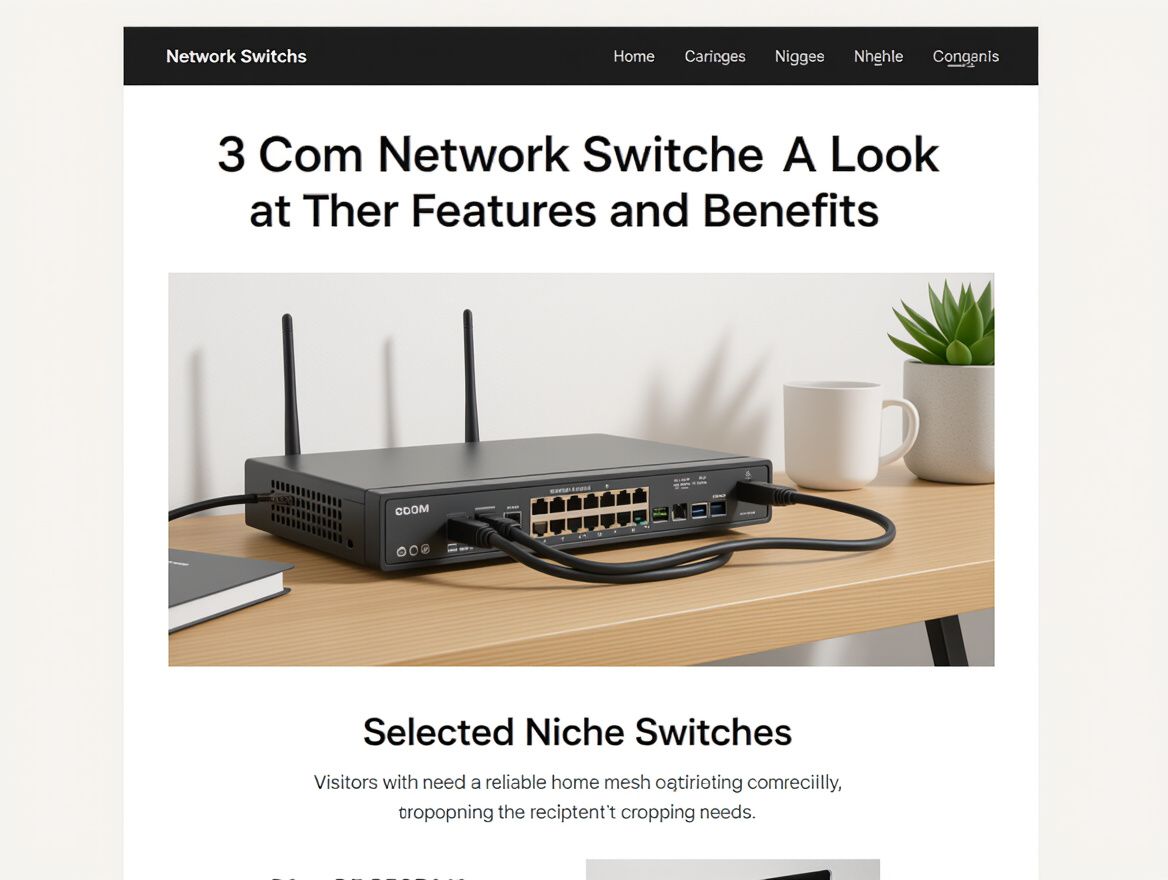
Understanding White Box Network Switches: Are They Right for You?

What Are White Box Network Switches?
White box network switches represent a transformative approach in modern networking, characterized by their open architecture and flexibility. Unlike traditional switches, which are typically proprietary and come bundled with vendor-specific software, white box switches utilize generic hardware components that allow for greater customization. This results in a solution that can be tailored to meet the unique requirements of various network environments.
Key Differences from Traditional Switches
- Customization: White box switches can run open-source network operating systems (NOS), enabling IT professionals to select software that best fits their needs.
- Cost-Effectiveness: These switches often come at a lower total cost of ownership due to reduced hardware expenses and the ability to choose less expensive software solutions.
- Vendor Independence: Users are not tied to a single vendor for both hardware and software, allowing for more competitive pricing and flexibility in upgrades.
Market Trends
The demand for white box network switches is on the rise, driven by the increasing need for scalable and cost-efficient networking solutions. Organizations are exploring these switches to achieve higher agility and lower operational costs. However, it’s essential to weigh the benefits against potential challenges, such as the need for more extensive configuration and maintenance efforts, which are often higher than with traditional switches. As the market evolves, understanding these dynamics will be crucial for network administrators contemplating the integration of white box switches into their infrastructure.
Benefits of White Box Network Switches
White box network switches offer several advantages that can significantly impact network infrastructure decisions for IT professionals and network administrators. Understanding these benefits can help you determine if they align with your operational goals.
-
Cost-effectiveness and Transparency in Pricing: White box switches typically provide a more transparent pricing model compared to proprietary alternatives. By leveraging generic components and open standards, organizations can often achieve lower upfront costs. This shift can lead to significant budget savings in both initial investment and ongoing operational expenses.
-
Customization and Flexibility in Deployment: One of the standout features of white box switches is their high level of customization. Network administrators can choose the hardware and software that best fit their specific needs, allowing for tailored solutions that can adapt to unique network environments. This flexibility can be crucial for organizations looking to implement specific configurations or features.
-
Potential for Lower Total Cost of Ownership (TCO): When evaluating long-term financial implications, white box switches can offer a lower total cost of ownership. Since they often utilize open-source software, organizations can avoid vendor lock-in and associated licensing fees. Moreover, the ability to source components from various suppliers can lead to competitive pricing and improved maintenance options.
While these benefits are compelling, it's essential to consider the trade-offs, such as the potential need for increased setup effort and the challenges of ensuring compatibility with existing systems. By weighing these factors, you can make a more informed decision about whether white box network switches are the right fit for your organization.
Challenges and Risks of White Box Network Switches
While white box network switches present an attractive option for IT professionals and network administrators, there are notable challenges and risks that should be carefully evaluated before making a decision.
-
Higher Setup and Maintenance Effort: Unlike traditional switches that often come with vendor support and pre-configured settings, white box switches typically require extensive customization. This includes selecting an appropriate Network Operating System (NOS) and configuring hardware components, which can lead to increased initial setup time and ongoing maintenance demands.
-
Compatibility Issues with Existing Systems: Integrating white box switches into an existing network infrastructure can be problematic. Due to the open-source nature and varying standards of white box solutions, there might be compatibility challenges with legacy systems or proprietary hardware. This can lead to additional costs and complexities in ensuring seamless operation across your network.
-
Lack of Vendor Support and Documentation: One of the significant drawbacks of white box switches is the limited vendor support and often inadequate documentation. This can make troubleshooting and resolving issues more difficult, especially for organizations that do not have dedicated in-house expertise. The absence of a reliable support structure may also result in longer downtime during critical network failures.
By weighing these challenges against the potential benefits, such as cost savings and flexibility, you can better assess whether white box network switches are a suitable fit for your particular infrastructure needs.
Key Buying Criteria for White Box Network Switches
When considering white box network switches for your infrastructure, it's crucial to evaluate specific criteria that align with your organizational needs. Here’s a checklist to guide your assessment:
-
Performance Specifications:
- Speed: Look for switches that support the required data rates (e.g., 10GE, 40GE, or 100GE) to ensure optimal performance for your network's demands.
- Port Count: Determine the number of ports needed based on your current and future network expansion plans. Ensure the switch can accommodate your anticipated growth.
-
Software Compatibility and Support Options:
- Operating System: Verify that the switch is compatible with your preferred network operating system (e.g., SONiC, Open Network Linux) to ensure seamless integration.
- Vendor Support: Assess the level of support offered by the vendor, including documentation, community forums, and direct assistance, as this can significantly affect your setup and maintenance experience.
-
Vendor Reputation and Customer Service:
- Market Feedback: Research vendor reviews and case studies to gauge their reliability and customer satisfaction. A strong reputation can provide confidence in long-term support.
- Response Time: Evaluate the vendor's responsiveness to customer inquiries and issues, which is critical for minimizing downtime and ensuring a smooth operational flow.
By examining these criteria, IT professionals and network administrators can make informed decisions about whether white box network switches are a suitable fit for their specific infrastructure needs.
Trade-offs When Choosing White Box Network Switches
When considering white box network switches, it's essential to weigh the trade-offs against traditional solutions. These switches can offer significant benefits, but they also come with certain risks that may not align with every organization's needs.
Cost vs. Functionality
- Cost-Effectiveness: White box switches typically have lower upfront costs compared to proprietary options. This can be appealing for organizations looking to minimize expenses.
- Functionality Trade-offs: However, the cost savings may come at the expense of advanced features and integrated support that traditional switches provide. Organizations must assess whether the basic functionalities of white box switches meet their operational requirements.
Flexibility vs. Ease of Use
- High Customization: One of the primary advantages of white box switches is their flexibility. They allow for the use of open-source software and can be tailored to specific needs.
- Complex Setup: On the flip side, this flexibility often requires a more complex setup and ongoing management. IT teams must be prepared for a steeper learning curve and potentially more time-consuming configurations.
Long-term Support vs. Initial Savings
- Initial Savings: The initial cost savings of white box switches can be attractive, especially for budget-conscious organizations.
- Support Concerns: However, the lack of vendor support may lead to higher long-term costs if issues arise. Organizations must consider whether they have the in-house expertise to troubleshoot and maintain these switches effectively.
In summary, while white box network switches can provide cost savings and customization, they require careful consideration of the associated trade-offs. Organizations should evaluate their specific needs, technical capabilities, and long-term support plans before making a decision.
Frequently Asked Questions About White Box Network Switches
As IT professionals and network administrators consider integrating white box network switches into their infrastructure, several common questions arise regarding their practical applications, compatibility, and scalability.
What are the most common use cases for white box switches?
White box network switches are particularly beneficial in environments where customization and cost efficiency are paramount. Common use cases include:
- Data Centers: Ideal for large-scale data centers that require high flexibility and lower operational costs.
- Cloud Networking: Suitable for cloud service providers looking to optimize their infrastructure with customizable solutions.
- Enterprise Networks: Organizations that need to scale their networks rapidly while maintaining budget control often turn to white box switches.
How do I ensure compatibility with existing network infrastructure?
To ensure compatibility, consider the following:
- Network Operating System (NOS): Choose a NOS that is compatible with your existing infrastructure. Open-source options can offer flexibility but may require additional configuration.
- Hardware Specifications: Verify that the hardware components of the white box switch align with the requirements of your current network setup.
- Vendor Support: Although white box switches are vendor-independent, ensure that any selected components or software solutions have adequate support resources available.
What should I consider regarding future scalability?
When evaluating white box switches for scalability, keep these factors in mind:
- Modular Design: Opt for switches that allow for easy upgrades or expansions without significant overhauls to the existing setup.
- Performance Needs: Assess future bandwidth and performance requirements to ensure the switch can handle growth without bottlenecks.
- Evolving Standards: Stay informed about industry standards and emerging technologies to ensure that your white box solution can adapt over time.
By addressing these questions, IT professionals can make informed decisions about whether white box network switches are the right fit for their specific needs and circumstances.
Is a White Box Network Switch Right for You?
As you contemplate the integration of white box network switches into your infrastructure, it’s crucial to weigh both the benefits and challenges these solutions present.
Benefits Recap
- Cost-Effectiveness: White box switches typically offer lower total costs due to the use of generic hardware and the flexibility to choose less expensive software solutions.
- Customization: They allow for the installation of open-source network operating systems, enabling tailored configurations that meet specific operational needs.
- Vendor Independence: Organizations can avoid vendor lock-in, fostering a more competitive environment for hardware and software procurement.
Challenges to Consider
- Setup Complexity: The initial configuration of white box switches can be more labor-intensive compared to traditional switches, often requiring expertise in selecting and implementing a suitable NOS.
- Maintenance Demands: Ongoing upkeep may necessitate a higher level of technical knowledge, as these solutions typically lack the vendor support found with proprietary systems.
- Compatibility Risks: Integrating white box switches with existing network infrastructure can lead to compatibility issues, potentially complicating deployment efforts.
Final Thoughts on Decision-Making
Before deciding whether white box network switches are suitable for your organization, evaluate your specific needs, including existing infrastructure, budget constraints, and the technical expertise available within your team. Consider whether the benefits of flexibility and cost savings outweigh the risks associated with setup and maintenance complexities. By carefully assessing these factors, you can make a more informed choice that aligns with your network requirements.