What Do WiFi Range Extenders Do? Understanding Their Role in Your Network
Understanding WiFi Range Extenders
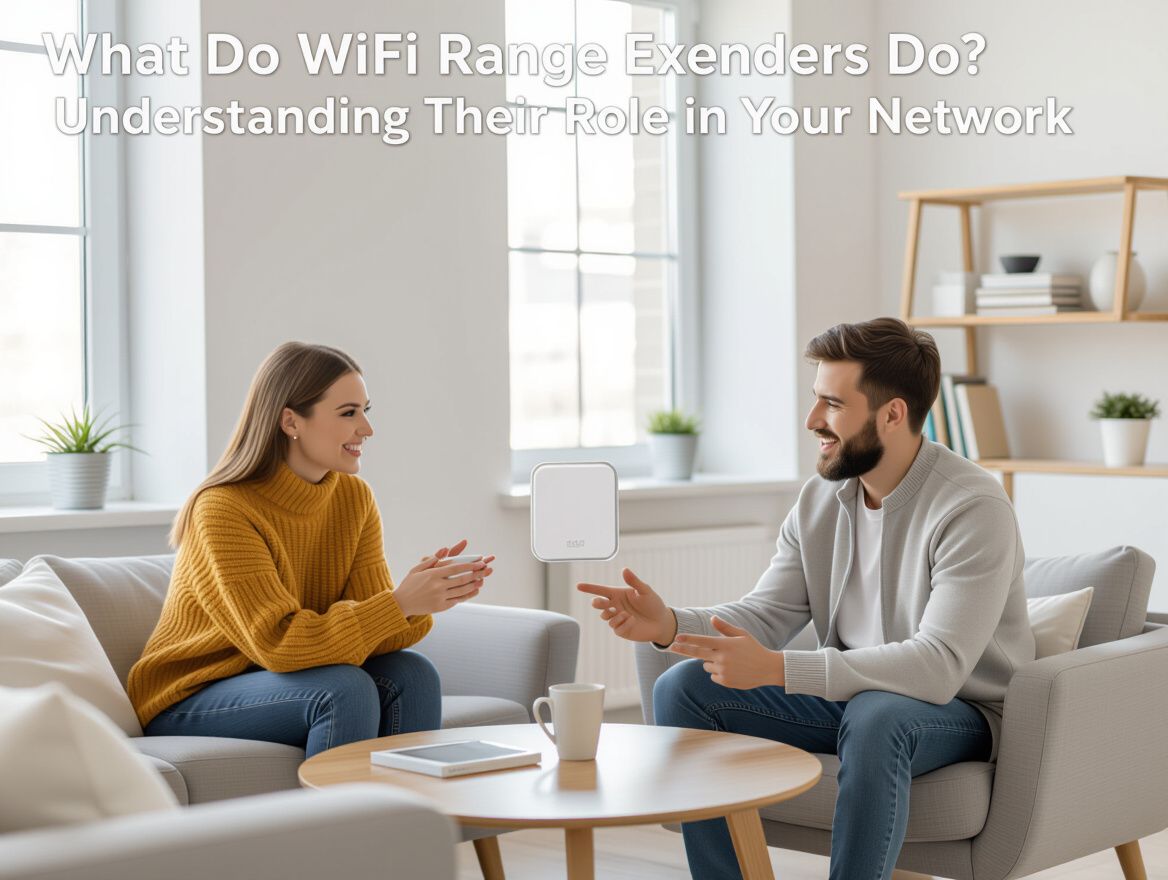
WiFi range extenders are devices designed to amplify your existing wireless signal, effectively increasing the coverage area of your home network. They work by capturing the signal from your main router and rebroadcasting it to reach areas where the signal is weak or nonexistent, often referred to as "dead zones." This functionality makes them a popular choice for users seeking to enhance their network without investing in more complex solutions like mesh networks.
Key Functions of WiFi Range Extenders:
- Signal Amplification: They take the existing WiFi signal and boost it, allowing for better connectivity in distant rooms or outdoor areas.
- Ease of Installation: Most extenders can be set up quickly, typically requiring minimal technical knowledge and no special tools.
- Cost-Effectiveness: Generally, they are less expensive than mesh systems, making them an attractive option for budget-conscious consumers.
Considerations Before Choosing a WiFi Range Extender:
- Network Speed: Extenders can sometimes reduce overall network speeds due to signal interference, as they may create a separate network that devices must switch between.
- Coverage Limitations: While they extend coverage, the effectiveness can vary based on obstacles like walls and floors, which may impede the signal.
- Compatibility: Ensure that the extender is compatible with your existing router to avoid connectivity issues.
Understanding these aspects can help you determine whether a WiFi range extender is the right solution for your networking needs.
How WiFi Range Extenders Function
WiFi range extenders serve a crucial role in enhancing home network coverage by capturing and rebroadcasting your existing wireless signal. This function is particularly beneficial in areas where the primary router's signal is weak or non-existent, effectively filling in coverage gaps.
Signal Capture and Re-broadcasting
When a WiFi range extender is installed, it connects to your existing network and receives the signal from your router. It then amplifies this signal and transmits it to areas that may experience poor connectivity, such as basements, attics, or distant rooms. This process allows users to enjoy more reliable internet access throughout their home without needing extensive cabling or new infrastructure.
Differences Among Extenders, Boosters, and Repeaters
While the terms "extender," "booster," and "repeater" are often used interchangeably, there are subtle distinctions:
- Extenders: Specifically designed to expand the coverage area of a WiFi network by creating a new network that devices can connect to.
- Boosters: Typically enhance the existing signal strength, but may not extend the coverage area as effectively as extenders.
- Repeaters: Function similarly to extenders but may introduce latency or reduce overall network speed, as they often create a separate network.
Considerations for Home Users
Before deciding on a WiFi range extender, consider the following:
- Coverage Area: Assess the size of your home and the specific zones where coverage is lacking.
- Network Complexity: Be aware that using multiple extenders can create multiple networks, which may lead to connectivity issues as devices switch between them.
- Speed Reduction: Extenders can sometimes reduce the overall speed of your network due to signal interference and bandwidth sharing.
Understanding these factors can help you determine whether a WiFi range extender is the right solution for your connectivity needs or if alternative options, such as a mesh network, might be more effective for your specific situation.
Benefits of Using WiFi Range Extenders
WiFi range extenders serve a critical role in enhancing your home network by extending coverage to areas where your router's signal is weak or nonexistent. Here are some key advantages to consider when deciding if a range extender is right for your setup:
-
Cost-Effectiveness: Compared to mesh systems, which can be significantly more expensive, WiFi range extenders are generally more affordable. This makes them an attractive option for users looking to improve coverage without a substantial investment.
-
Ease of Installation: Setting up a WiFi range extender is typically straightforward. Most models come with user-friendly guides and can be configured in a matter of minutes without the need for extensive technical knowledge.
-
Targeted Coverage: Range extenders allow you to focus on specific areas of your home where the WiFi signal is weak, giving you a customizable solution tailored to your needs.
-
Compatibility: These devices are usually compatible with most existing routers, allowing you to enhance your network without needing to replace your current hardware.
However, it's essential to weigh these benefits against potential drawbacks, such as reduced speed in extended areas and the possibility of creating multiple networks, which can complicate connectivity. Understanding these trade-offs can help you make an informed decision about whether a WiFi range extender is the right choice for your home network.
Trade-offs and Limitations of WiFi Range Extenders
While WiFi range extenders can significantly improve coverage in areas where your router's signal is weak, they come with certain trade-offs and limitations that you should carefully consider before making a purchase.
-
Potential Reduction in Speed: When a range extender rebroadcasts the WiFi signal, it can lead to a decrease in overall speed. This is due to the fact that the extender has to receive and then send the signal, which may result in slower internet speeds compared to a direct connection to the router. Users may notice this especially during high-bandwidth activities such as streaming or gaming.
-
Creation of Multiple Networks: Many extenders create a separate network with a different SSID (network name), which can complicate user experience. Users may need to manually switch between networks as they move around the house, leading to potential connectivity issues and frustration.
-
Signal Interference: Depending on the placement of the extender, physical obstructions (like walls) and electronic interference from other devices can further degrade the quality of the extended signal. This might negate the benefits of having an extender in the first place.
-
Limited Coverage: While extenders can help reach dead zones, they have their own range limitations. If your home has multiple floors or thick walls, a single extender may not be sufficient to cover the entire area effectively.
-
Alternative Solutions: In some cases, alternatives like mesh WiFi systems may provide a more seamless experience, as they create a unified network and typically maintain higher speeds throughout the coverage area. Evaluating your specific needs and home layout is essential to determine if an extender is the right choice.
Weighing these trade-offs against your specific needs will help you decide whether a WiFi range extender is the best solution for enhancing your home network.
WiFi Range Extenders vs. Mesh Systems
When considering how to enhance your home WiFi coverage, it's essential to understand the differences between WiFi range extenders and mesh systems. Each solution has its own strengths and weaknesses, making them suitable for different scenarios.
Network Coverage Effectiveness
- WiFi Range Extenders: These devices capture your existing WiFi signal and rebroadcast it, effectively extending coverage into areas where the signal is weak. However, they can create multiple networks, which may lead to connectivity issues or slower speeds due to signal interference.
- Mesh Systems: In contrast, mesh systems consist of multiple units that work together to create a single, seamless network. This configuration can provide more consistent coverage across larger areas, eliminating dead spots more efficiently than extenders.
Cost Considerations
- WiFi Range Extenders: Generally more affordable, these devices can be a budget-friendly option for users who need to address specific weak areas of their network without overhauling the entire system.
- Mesh Systems: While they tend to be more expensive, mesh systems offer a more comprehensive solution for larger homes or complex layouts. The upfront investment may pay off in terms of improved performance and ease of use.
User Convenience
- WiFi Range Extenders: Installation can be straightforward, but users may need to manually switch between networks if they set up multiple extenders. This can add complexity to the user experience.
- Mesh Systems: Typically designed for user-friendliness, these systems often come with intuitive apps that allow for easy setup and management. They automatically manage connections, ensuring devices stay connected to the strongest signal.
Conclusion
Choosing between a WiFi range extender and a mesh system depends on your specific needs. If you have a smaller space and are looking for a cost-effective solution, a WiFi range extender might suffice. However, for larger homes or those requiring consistent coverage throughout, investing in a mesh system may be the better choice. Consider your coverage needs, budget, and desire for convenience when making your decision.
Key Considerations Before Buying a WiFi Range Extender
When deciding whether to purchase a WiFi range extender, it’s essential to evaluate several key factors that can impact your network's performance and overall satisfaction. Use this checklist to guide your decision-making process:
-
Area Needing Coverage:
- Identify specific areas in your home where the WiFi signal is weak or non-existent. Consider the size and layout of your space, as larger areas or those with many walls may require more powerful solutions.
-
Compatibility with Existing Devices:
- Ensure that the extender is compatible with your current router and devices. Not all extenders support every router brand or model, which can lead to connectivity issues.
-
Budget Constraints:
- Determine how much you are willing to spend. WiFi range extenders can vary significantly in price, and while many effective models are available, higher-priced options may offer better performance and features.
-
Network Speed and Performance:
- Understand that while extenders can enhance coverage, they may reduce overall network speeds due to signal interference. Evaluate whether you prioritize coverage or speed in your specific use case.
-
Ease of Installation and Setup:
- Consider your technical comfort level. Some extenders offer user-friendly installation processes, while others may require more technical knowledge. Look for models with clear instructions or app support.
-
Potential for Multiple Networks:
- Be aware that many extenders create a separate network, which can complicate device connectivity as you move around your home. This might not be a concern for everyone, but it's worth considering if seamless connectivity is a priority.
By carefully weighing these factors, you can make a more informed decision about whether a WiFi range extender is the right solution for your network needs.
Frequently Asked Questions About WiFi Range Extenders
What problems do WiFi range extenders solve?
WiFi range extenders are designed to address the issue of weak or non-existent wireless signals in certain areas of your home. By capturing the existing WiFi signal from your router and rebroadcasting it, they can effectively eliminate dead zones and enhance coverage in hard-to-reach areas. This is particularly beneficial for larger homes or spaces with obstacles that impede signal strength.
How do I know if I need a range extender?
Consider a range extender if you experience:
- Weak signal strength in specific rooms or areas.
- Frequent disconnections or slow internet speeds in parts of your home.
- Large floor plans or multiple floors where the router's signal struggles to reach.
If you find yourself moving around and constantly switching between different WiFi networks, this could also indicate a need for an extender.
Are there alternatives to range extenders?
Yes, there are several alternatives to WiFi range extenders:
- Mesh WiFi systems: These provide a seamless network with multiple nodes, eliminating the need to switch networks.
- Powerline adapters: These use your home's electrical wiring to transmit internet signals to different rooms.
- Upgrading your router: A more powerful router may provide sufficient coverage without the need for additional devices.
Each alternative has its own pros and cons, so consider factors such as installation complexity, cost, and coverage needs before deciding.
Final Thoughts on WiFi Range Extenders
In summary, WiFi range extenders serve a specific purpose by capturing and rebroadcasting your existing wireless signal to eliminate dead zones in your home. They can be an effective solution for enhancing coverage, especially in larger homes or spaces with thick walls that obstruct signals. However, understanding their benefits and limitations is crucial for making an informed decision.
Key Benefits:
- Improved Coverage: Extenders can significantly increase the reach of your WiFi network, making it possible to connect devices in previously unreachable areas.
- Cost-Effective Solution: Compared to more advanced setups like mesh networks, extenders are generally more affordable and can be a quick fix for connectivity issues.
Considerations:
- Potential Speed Reduction: While they enhance coverage, extenders may decrease overall network speeds due to signal interference, as they often create a separate network.
- Installation and Compatibility: Ensure compatibility with your existing router and consider the placement of the extender to maximize its effectiveness.
Before deciding on a WiFi range extender, evaluate your specific needs, including the size of your home, the nature of any dead zones, and your budget. By weighing these factors, you can determine if a WiFi range extender is the right choice for enhancing your home network.
More in Wifi Range Extenders
View All