The Best Outdoor WiFi Range Extenders for Your Home
Understanding Outdoor WiFi Range Extenders
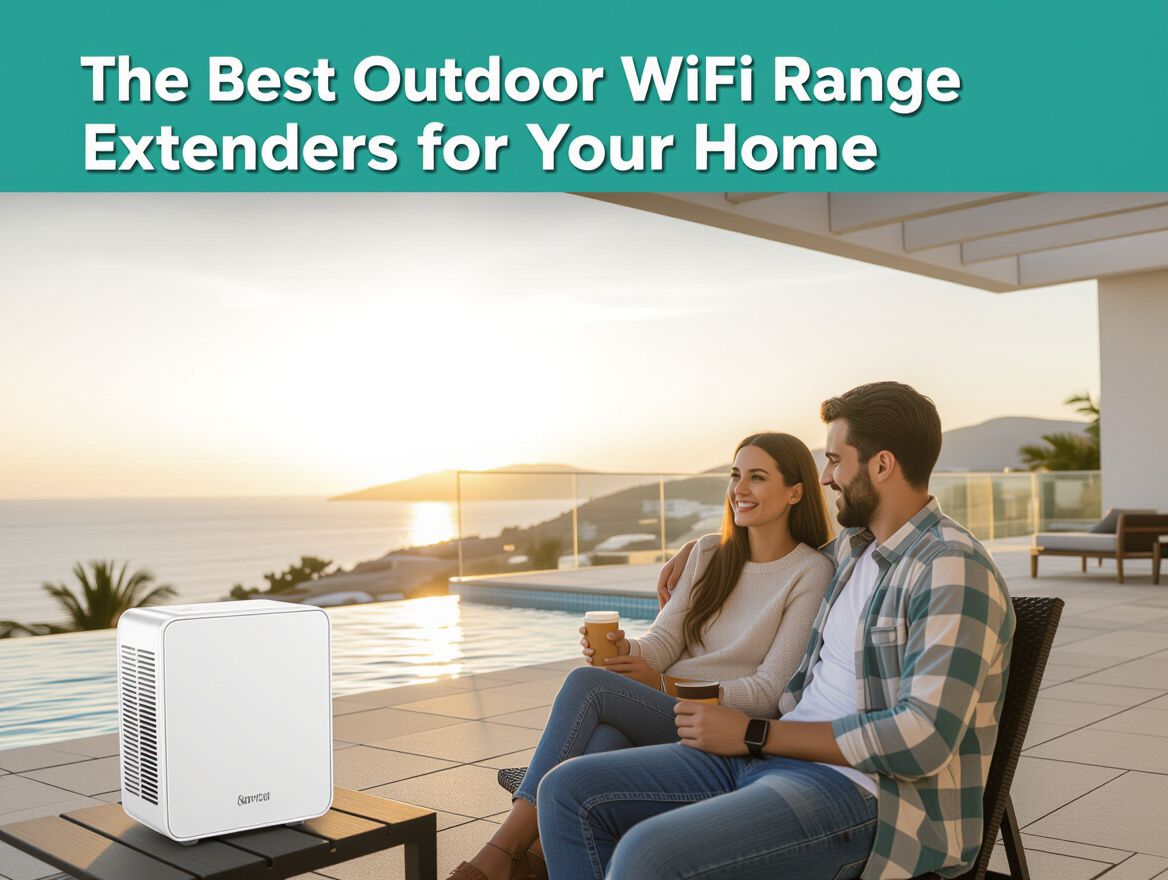
Outdoor WiFi range extenders are devices designed to amplify and extend the reach of your wireless network into outdoor spaces, such as backyards, patios, or gardens. They function by receiving your existing WiFi signal and rebroadcasting it, helping to eliminate dead zones and enhance connectivity in areas where your router's signal may be weak or nonexistent.
Common Use Cases
- Homeowners with Large Yards: Ideal for those who want to provide WiFi access to outdoor living areas for activities like barbecues or gatherings.
- Gardeners and Landscapers: Useful for monitoring gardening tools or irrigation systems that require internet connectivity.
- Poolside Connectivity: Ensures that you can stream music or videos while enjoying time by the pool.
Importance of Reliable Outdoor Connectivity
Reliable outdoor connectivity is essential for various reasons:
- Remote Work and Learning: As more people work or study from home, having a strong outdoor signal allows for flexibility in where you can work.
- Smart Home Devices: Many homeowners are integrating smart devices outdoors, such as cameras, lights, and speakers, which require stable WiFi.
- Security and Monitoring: Outdoor cameras and alarm systems rely on a consistent internet connection for effective operation.
When considering an outdoor WiFi range extender, it's important to evaluate your specific needs and the environment in which it will be used. Factors such as coverage area, weather resistance, and installation ease will significantly influence your choice.
Key Features to Consider
When evaluating outdoor WiFi range extenders, it's essential to focus on features that align with your specific needs and outdoor environment. Here are the key criteria to guide your decision-making process:
-
Weatherproof Ratings: Look for extenders with high IP ratings, such as IP67 or IP68. These ratings indicate that the device is resistant to dust and can withstand immersion in water, making them suitable for outdoor use in various weather conditions.
-
Coverage Area and Range Capabilities: Assess the coverage area provided by the extender. Some models are designed to cover extensive outdoor spaces, while others may be more suitable for smaller areas. Consider your specific outdoor layout to ensure adequate signal reach.
-
Speed Specifications: Pay attention to the Wi-Fi standards supported by the extender, such as AX3000 for Wi-Fi 6. Higher specifications typically translate to better speeds and improved performance for multiple devices.
-
Power Output and Installation Flexibility: Consider the power output of the extender, which can affect its range and signal strength. Additionally, evaluate installation options to ensure compatibility with your outdoor setup, including mounting options and ease of setup.
By focusing on these features, you can make a more informed choice that enhances your outdoor connectivity while considering the unique challenges posed by your environment.
Comparing Outdoor WiFi Range Extenders
When selecting an outdoor WiFi range extender, it’s crucial to understand the different types available and how they fit your specific needs. This analysis focuses on the pros and cons of mesh systems versus traditional extenders, their performance in various weather conditions, and the cost versus functionality considerations.
Mesh Systems vs. Traditional Extenders
-
Mesh Systems:
- Pros:
- Seamless coverage across larger areas, ideal for extensive outdoor spaces.
- Easier setup and management through dedicated apps.
- Typically offer better speed and lower latency due to multiple nodes working together.
- Cons:
- Generally more expensive than traditional extenders.
- May require more complex installation if integrating into an existing network.
- Pros:
-
Traditional Extenders:
- Pros:
- Lower initial cost, making them more accessible for budget-conscious homeowners.
- Simple plug-and-play installation for quick deployment.
- Cons:
- Limited range and speed can lead to connectivity issues, especially in larger areas.
- Increased latency can affect performance for high-demand activities like gaming or streaming.
- Pros:
Performance in Various Weather Conditions
Outdoor WiFi range extenders must withstand different environmental factors. Key considerations include:
- Weather Resistance:
- Look for devices with high IP ratings (such as IP67 or IP68) that indicate dust and water resistance. This is crucial for ensuring longevity and reliability in rain or extreme temperatures.
- Temperature Tolerance:
- Extenders should maintain performance in both extreme heat and cold. Some models are designed to prevent overheating, while others may have features to maintain signal strength in colder climates.
Cost Versus Functionality Considerations
When evaluating outdoor WiFi extenders, balancing cost with functionality is essential:
-
Budget:
- Expect to pay more for devices that offer higher performance and durability. While traditional extenders may be cheaper upfront, they could incur additional costs if they fail to provide adequate coverage.
-
Long-Term Investment:
- Consider the potential need for replacements or upgrades. A more expensive mesh system may save you money in the long run by reducing the need for multiple extenders.
Understanding these trade-offs will help you make an informed decision based on your specific outdoor WiFi coverage needs.
Potential Risks and Trade-offs
When considering outdoor WiFi range extenders, it's essential to be aware of the potential risks and limitations that may impact your decision. While these devices can significantly enhance your outdoor connectivity, they come with trade-offs that could affect performance and usability.
-
Placement Challenges: The effectiveness of outdoor WiFi extenders heavily depends on their placement. Many models need to be positioned within a certain distance of the main router to function optimally. This requirement can limit your options for installation, especially if your outdoor space is large or has obstacles like walls or trees that may obstruct the signal.
-
Latency and Speed Limitations: Outdoor extenders can introduce higher latency compared to direct connections, particularly if they are used to cover a significant distance from the main router. This added delay can affect activities requiring real-time data transmission, like gaming or video conferencing. Furthermore, the maximum speeds advertised may not always be achievable in real-world scenarios, particularly in environments with interference.
-
Comparison to Alternative Solutions: While outdoor WiFi extenders can be a quick fix for connectivity issues, they may not always be the best long-term solution. Mesh networking systems, for example, offer seamless coverage and can dynamically adjust to signal obstacles, often providing better performance than extenders. However, mesh systems can be more expensive and may require a more complex setup. Consider your specific needs and budget when weighing these options.
Understanding these risks and trade-offs will empower you to make a more informed decision about whether an outdoor WiFi range extender is the right fit for your home and outdoor connectivity needs.
Frequently Asked Questions
When considering outdoor WiFi range extenders, potential buyers often have several common questions. Addressing these can help clarify the benefits and considerations involved in selecting the right device for enhanced outdoor connectivity.
What problems do outdoor WiFi range extenders solve?
Outdoor WiFi range extenders primarily address connectivity issues in areas where the main router's signal is weak or nonexistent. They are particularly useful in:
- Eliminating Dead Zones: Extenders help to fill in areas of your yard or outdoor space where the WiFi signal does not reach.
- Supporting Outdoor Devices: Many modern smart home devices, such as security cameras and smart speakers, require stable internet access, which extenders can provide.
- Enhancing Streaming and Communication: For users who enjoy streaming media or video conferencing outdoors, extenders ensure a reliable connection without interruptions.
How do I choose the right outdoor WiFi extender for my needs?
Choosing the right outdoor WiFi extender involves evaluating several key factors:
- Coverage Area: Determine the range you need based on the size of your outdoor space. Some extenders are designed for larger areas, while others may be more suitable for smaller spaces.
- Weather Resistance: Look for devices with high IP ratings (such as IP67 or IP68) to ensure they can withstand outdoor conditions, including rain and dust.
- Installation Ease: Consider how easy it is to install the extender in your desired location. Some models may require more complex setups than others.
What are the common issues faced with outdoor WiFi extenders?
While outdoor WiFi extenders can significantly improve connectivity, they may also come with challenges:
- Placement Limitations: Finding the optimal location for the extender can be tricky, as they need to be positioned within range of the main router while also reaching the desired outdoor areas.
- Speed Limitations: Some extenders may not support high-speed connections, which can lead to reduced performance, especially when multiple devices are connected.
- Increased Latency: Using an extender can sometimes introduce latency, which may affect activities that require real-time connections, such as gaming or video calls.
By carefully considering these factors and challenges, homeowners can make more informed decisions when selecting outdoor WiFi range extenders to enhance their connectivity in outdoor spaces.
Making Your Decision
Choosing the right outdoor WiFi range extender requires careful consideration of several key features and your specific needs. Start by assessing the primary factors that will influence your purchase:
-
Coverage Needs: Determine the size of the area you want to cover. Larger backyards or multi-level patios may require extenders with greater range capabilities. Some models are specifically designed for expansive outdoor spaces, while others may suffice for smaller areas.
-
Weather Resistance: Look for extenders with high IP ratings, such as IP67 or IP68, which indicate robust protection against dust and water. This is crucial for ensuring longevity and consistent performance in various weather conditions.
-
Installation and Setup: Consider how easy it is to install the extender. Some models may require more complex setups or specific positioning to achieve optimal performance, which could be a factor if you prefer a straightforward installation process.
-
Device Compatibility: Ensure that the extender is compatible with your existing router and supports the latest WiFi standards. This compatibility will ensure better performance and connectivity stability.
-
Performance Trade-offs: Understand that while extenders can enhance coverage, they may introduce latency or reduced speeds compared to a direct connection. Evaluate your usage scenarios—streaming, gaming, or general browsing—to determine if an extender meets your performance expectations.
Before making a purchase, reflect on your unique outdoor connectivity requirements and evaluate how different extenders align with those needs. By thoroughly assessing these criteria, you can make an informed decision that enhances your outdoor WiFi experience without unnecessary complications.


More in Wifi Range Extenders
View All