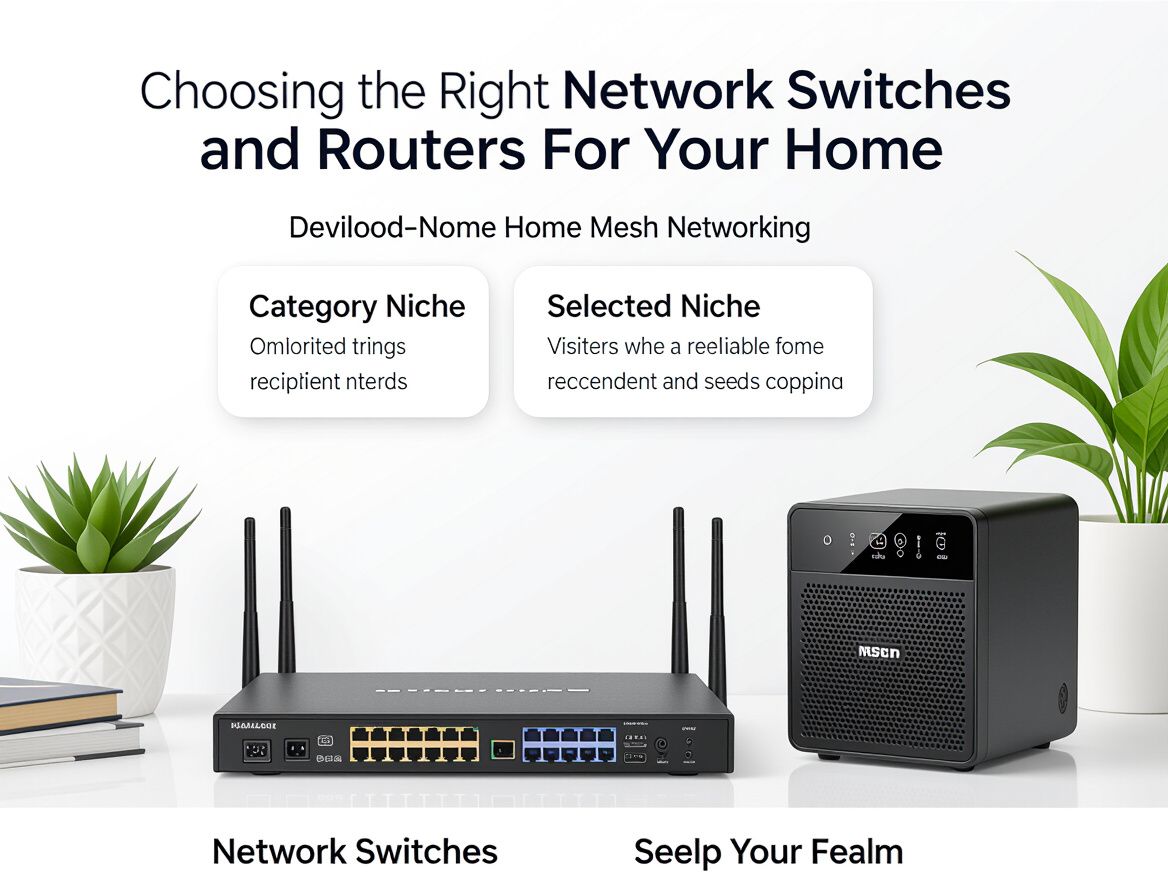
Managed vs Unmanaged Network Switches: Which Should You Choose?

Understanding Network Switches
Network switches are essential components of modern network infrastructure, facilitating communication between devices within a local area network (LAN). They function by receiving data packets from one device and forwarding them to the appropriate destination, ensuring efficient data transfer.
When evaluating network switches, you'll encounter two primary types: managed and unmanaged switches. Unmanaged switches are straightforward, providing basic connectivity without configuration options. They are typically used in smaller networks or for temporary setups where ease of use is paramount. In contrast, managed switches offer advanced features, including remote management, Quality of Service (QoS) settings, Virtual Local Area Networks (VLANs), and redundancy protocols. These capabilities make them suitable for larger, more complex network environments that require scalability and reliability.
Choosing the right type of switch is critical for meeting your business needs. A managed switch may incur higher upfront costs but can lead to long-term savings through improved network performance, better security, and reduced downtime. On the other hand, unmanaged switches can be a cost-effective solution for simpler applications but may lack the flexibility required as your network grows. Understanding these differences will empower IT professionals and businesses to make informed decisions that align with their operational goals and infrastructure requirements.
Key Differences Between Managed and Unmanaged Switches
When choosing between managed and unmanaged network switches, understanding their core differences is crucial for making an informed decision. Each type serves distinct functions and is suited to different network requirements, impacting both functionality and budget.
Functionality and Features of Managed Switches
Managed switches provide a higher level of control and flexibility. Key features include:
- Remote Management: Administrators can configure and monitor the network from a distance, enhancing operational efficiency.
- Quality of Service (QoS): Prioritizes traffic for critical applications, ensuring efficient bandwidth usage.
- VLAN Support: Allows segmentation of network traffic for security and efficiency.
- Redundancy Protocols: Features like Spanning Tree Protocol (STP) improve network uptime by preventing loops.
These functionalities make managed switches ideal for complex and growing network environments, particularly in larger organizations.
Functionality and Features of Unmanaged Switches
Unmanaged switches are simpler devices designed for basic connectivity. Their main characteristics include:
- Plug-and-Play Operation: They require no configuration, making them easy to deploy.
- Fixed Configuration: Users cannot change settings, limiting flexibility to basic networking needs.
- Cost-Effective: Generally less expensive, they serve well in small networks or as temporary solutions.
Unmanaged switches are suitable for straightforward setups where minimal management is needed, such as home offices or small businesses.
Cost Implications and Budget Considerations
Budget is a significant factor when choosing between these two types of switches:
- Managed Switches: Typically more expensive due to their advanced features and capabilities. Initial costs can start around $150 for entry-level models, which may increase based on additional features.
- Unmanaged Switches: More budget-friendly, they provide basic functionality at a lower price point, making them appealing for cost-conscious buyers.
When evaluating your options, consider not only the initial purchase price but also the potential long-term benefits of investing in a managed switch, such as improved network performance and reliability.
In summary, the choice between managed and unmanaged network switches hinges on your specific network needs, budget constraints, and the level of control you require.
Benefits of Managed Network Switches
Managed network switches offer several significant advantages that make them a compelling choice for businesses looking to enhance their network infrastructure. These benefits are particularly relevant for IT professionals managing complex network environments.
-
Scalability and Control: Managed switches are designed to support larger, more intricate networks. They allow for advanced configurations and can be easily scaled as a business grows. This flexibility is crucial for organizations that anticipate expanding their operations or increasing their network demands over time.
-
Enhanced Security Features: Security is a paramount concern in any network setup. Managed switches provide advanced security features, such as VLANs (Virtual Local Area Networks) and access control lists (ACLs), which help segment traffic and protect sensitive data. This capability is especially important for businesses handling confidential information or operating in regulated industries.
-
Traffic Management and Monitoring Capabilities: With managed switches, network administrators gain access to real-time traffic monitoring and management tools. These features enable the identification of bottlenecks, optimization of data flow, and troubleshooting of issues before they escalate. The ability to prioritize traffic through Quality of Service (QoS) settings ensures that critical applications receive the bandwidth they need, improving overall network performance.
When considering whether to invest in managed network switches, it's essential to weigh these benefits against the specific needs of your business. While they come with a higher price point than unmanaged switches, the increased control, security, and performance can provide a substantial return on investment in the long run.
Potential Risks of Managed Switches
Choosing managed network switches can provide advanced features, but it's essential to weigh the potential risks and trade-offs involved in this decision. Here are some key considerations:
-
Higher Costs: Managed switches generally come at a premium compared to unmanaged switches. This higher initial investment can strain budgets, especially for small businesses or organizations with limited resources. It's crucial to assess whether the benefits justify the additional expense.
-
Complexity in Setup and Management: Managed switches offer extensive configuration options, which can lead to a more complicated setup process. Network administrators must be prepared to invest time and effort into initial configurations and ongoing management. This complexity can also lead to potential misconfigurations if not handled properly.
-
Need for Technical Expertise: Operating a managed switch often requires a higher level of technical skill. Organizations may need to train existing staff or hire specialized personnel, which can increase operational costs. Without the necessary expertise, businesses may struggle to fully utilize the capabilities of a managed switch.
In summary, while managed network switches can enhance network performance and control, buyers should carefully evaluate their budget, technical capabilities, and the complexity of their network needs before making a decision.
Buying Criteria for Network Switches
When deciding between managed and unmanaged network switches, it's crucial to evaluate several key factors that align with your specific networking needs. Here’s a checklist to guide your decision:
-
Network Size and Complexity
- Assess the current size of your network and any anticipated growth. Managed switches are typically better suited for larger, more complex networks that require advanced features like VLANs and remote management.
- For smaller, simpler networks, unmanaged switches may suffice due to their plug-and-play functionality.
-
Budget Constraints
- Determine your budget for network infrastructure. Managed switches generally come at a higher price point due to their advanced capabilities.
- Evaluate the long-term value of investing in managed switches if you foresee expanding your network in the future.
-
Future Scalability Needs
- Consider whether your network requirements might evolve. Managed switches offer scalability options that can accommodate future growth, such as adding more devices or enhancing network security.
- If you expect minimal changes to your network, an unmanaged switch could be a cost-effective choice.
By carefully considering these criteria, you can make an informed decision that best fits your organization's networking needs and budget constraints.
Frequently Asked Questions
When considering managed and unmanaged network switches, IT professionals often have specific queries that can influence their purchasing decisions. Here are some common questions and their answers:
What is the typical use case for each type of switch?
-
Managed Switches: Ideal for larger, complex networks that require advanced features such as remote management, quality of service (QoS), and network monitoring. They are suitable for businesses that need to configure VLANs, prioritize traffic, and ensure redundancy for improved reliability.
-
Unmanaged Switches: Best for small networks or temporary setups where simplicity and cost-effectiveness are priorities. They are plug-and-play devices, making them appropriate for straightforward applications without the need for advanced configuration.
How do managed switches improve network performance?
Managed switches enhance network performance through several features:
- Traffic Management: They allow for network segmentation and prioritization of critical data flows, ensuring that high-priority applications receive the bandwidth they need.
- Monitoring and Diagnostics: With the ability to monitor traffic and diagnose issues in real-time, managed switches can help in identifying and resolving bottlenecks quickly.
- Redundancy Protocols: Features like Spanning Tree Protocol (STP) help prevent network loops and ensure continuous availability, which is crucial for business operations.
Can unmanaged switches be used in larger networks?
While technically possible, using unmanaged switches in larger networks is not advisable. They lack the configurability and management features necessary for efficient operation in a complex environment. As a result, they can lead to network congestion, security vulnerabilities, and difficulties in troubleshooting, making managed switches a more suitable choice for scalability and performance.
Making the Right Choice
When deciding between managed and unmanaged network switches, it's crucial to weigh the benefits and risks associated with each option. Managed switches provide advanced features such as remote monitoring, configuration, and enhanced security settings, making them ideal for larger, complex networks. These capabilities can lead to improved performance and reliability, which are essential for businesses that require scalability and operational efficiency.
On the other hand, unmanaged switches offer simplicity and cost-effectiveness, making them suitable for smaller networks or temporary setups. However, their lack of configurability can limit your network's growth and adaptation to changing needs.
Key Considerations:
- Network Size and Complexity: Assess whether your current and future network demands require the advanced features of managed switches.
- Budget Constraints: Managed switches typically come with higher upfront costs compared to unmanaged switches. Consider the long-term benefits versus initial investments.
- Scalability Needs: If you anticipate significant growth or changes in your network, a managed switch may provide the flexibility you need.
- Technical Expertise: Evaluate whether your team has the necessary skills to manage a more complex switch configuration.
Encouragingly, understanding these distinctions can help you make an informed decision tailored to your specific requirements. Before purchasing, carefully assess your network's current and future needs to ensure the switch you choose aligns with your operational goals.