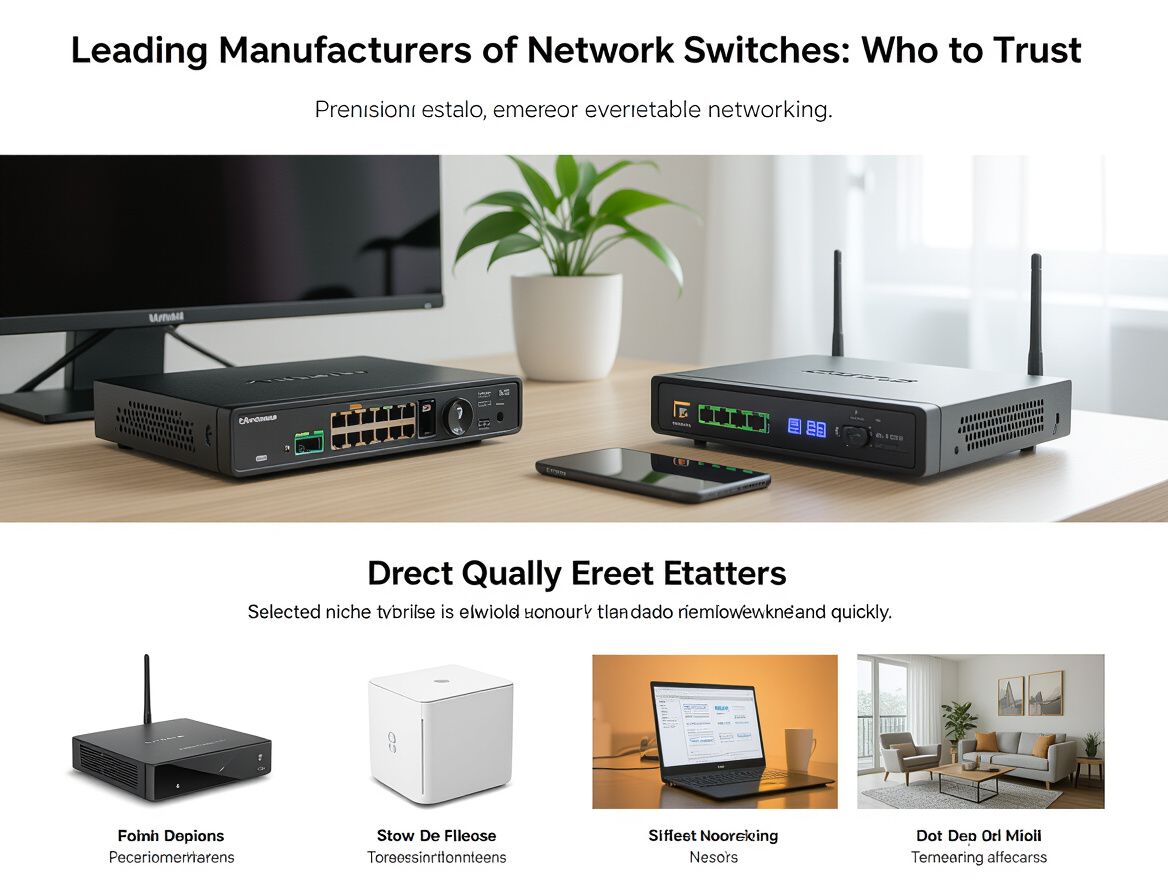
Leading Manufacturers of Network Switches: Who to Trust
Understanding Network Switches and Their Importance
Network switches are essential devices that facilitate communication between multiple devices within a network. By directing data traffic efficiently, they ensure that packets of information reach their intended destinations without unnecessary delays. This functionality is crucial for maintaining robust and effective network infrastructure, especially in environments where high-speed connectivity is paramount.
The significance of network switches cannot be overstated. They play a vital role in enhancing network performance by reducing latency and preventing bottlenecks. In a world increasingly reliant on digital communication and data exchange, having a reliable network switch can significantly impact operational efficiency and user experience.
The market landscape for network switches is diverse, with numerous manufacturers offering a variety of products tailored to different needs. Key players such as Broadcom, NETGEAR, and Mellanox provide options ranging from basic unmanaged switches to advanced managed switches that offer enhanced features like Power over Ethernet (PoE) capabilities and robust security measures. When considering which manufacturer to trust, it's essential to evaluate their reputation, product offerings, and how well they align with your specific requirements.
Leading Manufacturers of Network Switches
When selecting a network switch, understanding the landscape of manufacturers is crucial. Key players in this market include Broadcom, NETGEAR, and Mellanox, each offering unique strengths that cater to different business needs.
Broadcom
- Market Share: Broadcom holds a significant portion of the market, approximately 12.1%.
- Reputation: Known for high-performance switches suitable for demanding environments, they are often preferred by enterprises requiring robust solutions.
- Product Range: Their offerings include a variety of switches that support advanced features like Power over Ethernet (PoE) and extensive port configurations.
NETGEAR
- Market Share: NETGEAR also commands a notable market share of around 5.2%.
- Reputation: This brand is recognized for its user-friendly devices, making it a popular choice among small to medium-sized businesses.
- Product Range: NETGEAR provides a diverse lineup, including unmanaged, managed, and smart switches, catering to various networking needs.
Mellanox (Now part of NVIDIA)
- Market Share: While specific figures are less publicized, Mellanox is acknowledged for its high-throughput solutions, especially in data center environments.
- Reputation: They specialize in switches that excel in speed and efficiency, making them a go-to for businesses focused on high-performance computing.
- Product Range: Their products are designed for scalability and integration with NVIDIA's ecosystem, appealing to tech-forward companies.
Trade-offs and Evaluation Criteria
When evaluating these manufacturers, consider the following:
- Performance Needs: Assess whether you require high-speed capabilities or if standard performance suffices.
- Scalability: Determine how well the manufacturer’s products can grow with your business needs.
- Ease of Use vs. Advanced Features: Weigh the benefits of user-friendly interfaces against the need for advanced management features.
- Cost vs. Quality: Balance your budget with the quality and longevity of the product, avoiding lower-cost options that may compromise performance.
Understanding these factors can help IT professionals and businesses make informed decisions tailored to their specific networking requirements.
Key Buying Criteria for Network Switches
When selecting a manufacturer of network switches, it's vital to consider several key factors that align with your specific networking needs. Here’s a concise checklist to guide your evaluation:
-
Port Count and Types: Assess the number of devices you need to connect. Manufacturers offer switches with varying port counts, typically ranging from 5 to 48 ports. Consider the types of ports available (e.g., Gigabit Ethernet, SFP ports for fiber connections) to ensure compatibility with your existing infrastructure.
-
Power over Ethernet (PoE) Capabilities: If you plan to power devices like IP cameras or VoIP phones directly through the switch, look for models with PoE support. This feature can simplify your setup by reducing the need for additional power sources.
-
Security Features: Network security is paramount. Evaluate the security features offered by the manufacturer, such as support for VLANs, Access Control Lists (ACLs), and port security measures. These features can help protect your network from unauthorized access and potential threats.
-
Scalability and Future-Proofing: Consider your organization's growth potential. Choose a manufacturer that offers scalable solutions, allowing you to expand your network as needed. This may include modular switches or those that support advanced features like stacking, which can enhance performance and simplify management.
By keeping these criteria in mind, you can better navigate the options available and select a network switch manufacturer that meets your current and future networking demands.
Trade-offs and Risks in Choosing Network Switches
When selecting a manufacturer of network switches, IT professionals and businesses must navigate several trade-offs and potential risks that can significantly impact their network's performance and reliability. Understanding these factors is crucial for making an informed decision.
Cost vs. Performance
- Budget Constraints: Lower-priced switches may save costs initially but could compromise on performance and features, leading to higher long-term expenses due to upgrades or replacements.
- Performance Needs: Evaluate whether the switch can handle the required bandwidth and traffic load. A high-performance switch may be necessary for data-intensive applications, which could justify a higher investment.
Brand Reliability and Support
- Reputation: Established brands often provide better reliability and support. Researching customer reviews and industry reputation can help gauge a manufacturer's reliability.
- Support Services: Consider the availability of technical support and warranty services. A manufacturer with strong customer support can minimize downtime and troubleshooting challenges.
Compatibility Issues with Existing Infrastructure
- Integration with Current Systems: Ensure the selected switch is compatible with existing network devices and configurations. Incompatibilities can lead to performance bottlenecks or require additional investments in adapters or new hardware.
- Future Scalability: Anticipate future growth and make sure the chosen switch can scale with your organization’s needs. This includes checking for modular options or the ability to support additional devices without compromising performance.
By weighing these trade-offs and risks, buyers can better align their choice of network switch manufacturers with their specific operational requirements and budgetary constraints.
Fit Limits and Use Case Considerations
When selecting a manufacturer of network switches, understanding your specific use case is crucial. Different environments and business sizes necessitate distinct features and capabilities. Here are key considerations:
Small vs. Large Business Needs
- Small Businesses: Typically require fewer ports and less complex management features. Look for cost-effective options that provide basic functionality without overwhelming features.
- Large Enterprises: Need scalable solutions that support high port counts, advanced management features, and robust security protocols. Consider manufacturers that offer modular switches for future expansion.
Specific Industry Requirements
- Data Centers: Demand high throughput and low latency. Switches should support advanced features like Quality of Service (QoS) and VLAN tagging to manage traffic efficiently.
- Healthcare: Must comply with strict regulatory standards. Look for switches with enhanced security features and reliability to protect sensitive data.
- Education: Often require a balance of performance and cost. Solutions should support multiple devices, including IoT devices, while remaining budget-friendly.
Environment Considerations
- Data Centers vs. Office Settings: Data centers often require switches that can handle high workloads and provide redundancy features. In contrast, office environments might prioritize ease of use and energy efficiency.
- Temperature and Humidity: Ensure that the selected switches can operate effectively in the specific environmental conditions of your installation site. Manufacturers may provide different ratings for temperature and humidity tolerance.
By carefully evaluating these factors, IT professionals can align their network switch requirements with the right manufacturer, ensuring that the selected solution meets both current and future needs.
Frequently Asked Questions
What are the most reliable brands?
When considering the manufacturers of network switches, reliability is often associated with industry leaders known for their robust technology and customer support. Brands like Broadcom, NETGEAR, and Mellanox are frequently mentioned as trustworthy options. Each brand offers a range of products tailored to different needs, from simple setups to complex enterprise solutions. It's essential to assess specific models within these brands based on your network requirements, as reliability can vary across product lines.
How to troubleshoot common network switch issues?
Common problems with network switches often stem from configuration errors, firmware issues, or overheating. Here are some troubleshooting tips:
- Firmware Updates: Always check that your switch's firmware is up to date. Manufacturers regularly release updates that fix bugs and improve performance.
- Configuration Checks: Review VLAN settings and port configurations. Misconfigurations can lead to connectivity issues.
- Cooling Solutions: Ensure your switch is adequately ventilated to prevent overheating, which can cause hardware failures.
For detailed troubleshooting methods, consider consulting the manufacturer's documentation or online resources.
What features should I prioritize based on my needs?
The features to prioritize when selecting a network switch depend on your specific use case. Consider the following:
- Port Count: Ensure the switch has enough ports to accommodate your devices now and in the future.
- Power over Ethernet (PoE): If you plan to power devices like IP cameras or phones through the switch, look for PoE capabilities.
- Security Features: Advanced security options, such as VLANs and access control lists (ACLs), are vital for protecting sensitive data.
Evaluating these features against your current and anticipated network demands will help you make a more informed decision.
Making an Informed Decision
As you consider your options among the leading manufacturers of network switches, it's crucial to synthesize the key points discussed. Each manufacturer brings unique offerings tailored to different operational needs, making it essential to assess your specific requirements before proceeding with a purchase.
Key Buying Criteria
- Performance Needs: Determine the bandwidth and speed requirements of your network. Consider whether you need managed or unmanaged switches based on the level of control and features you require.
- Port Count: Evaluate how many devices will connect to the switch. A higher port count may be necessary for larger networks.
- Power over Ethernet (PoE) Capability: If your network includes devices like IP cameras or VoIP phones, PoE can simplify installation by eliminating the need for separate power supplies.
- Security Features: Look for manufacturers that provide robust security protocols to protect your network from unauthorized access and threats.
Assessing Specific Needs
Reflect on your organization's current and future networking needs. Are you planning to scale your network in the coming years? If so, selecting a manufacturer that offers scalable solutions can save you from potential disruptions and additional costs down the line.
Final Thoughts
Choosing the right manufacturer of network switches is a critical decision that can impact your network's performance and reliability. By carefully evaluating your requirements against the offerings of each manufacturer, you can make a more informed choice that aligns with your operational goals. Remember, the right switch can optimize your network’s efficiency and set the foundation for future growth.