Best Long Range WiFi Extenders: Top Picks for Maximum Coverage
Understanding Long Range WiFi Extenders
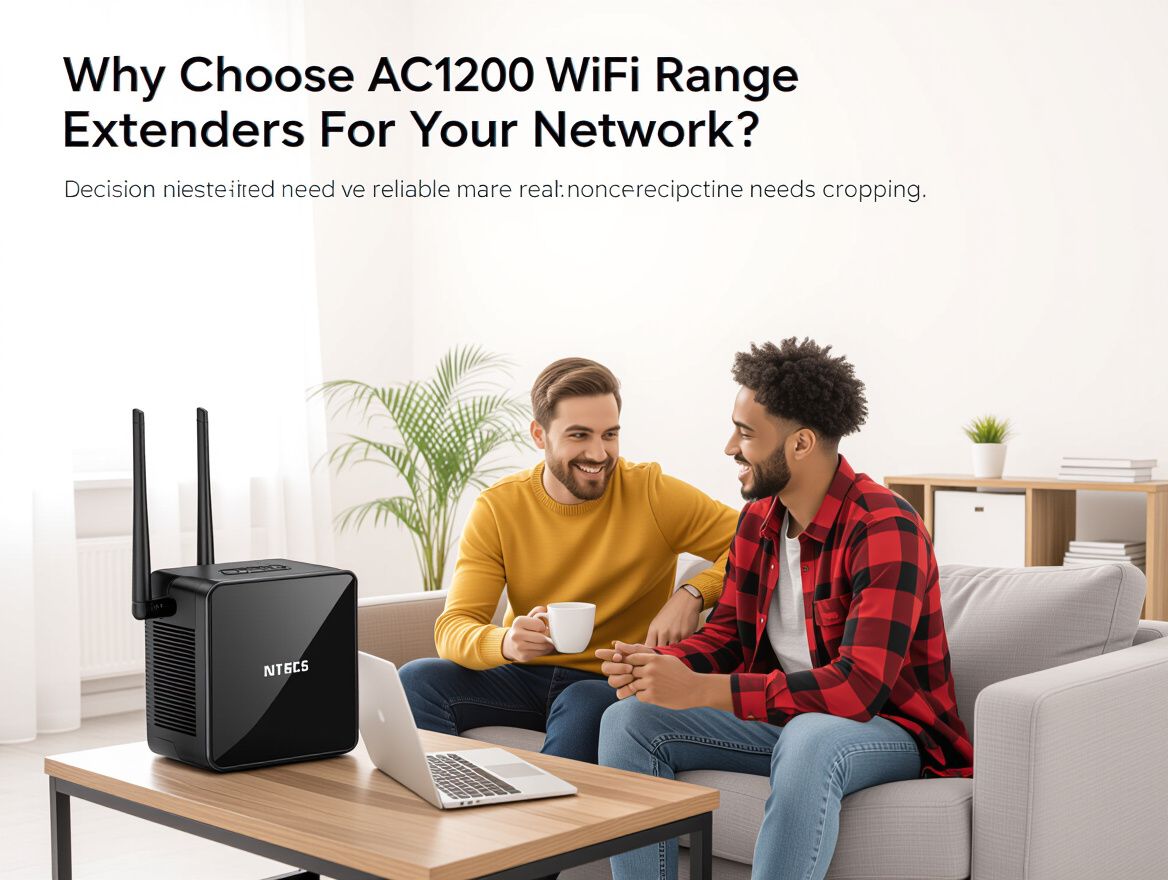
Long-range WiFi extenders are devices designed to amplify and extend the coverage of your existing Wi-Fi network. They can be particularly beneficial in large homes where signal strength diminishes as distance from the router increases. By improving coverage, these extenders can help eliminate dead zones, ensuring a more reliable internet connection throughout your space.
Common Scenarios for Use
Homeowners often find themselves needing long-range extenders in various situations, including:
- Large Homes: Properties with multiple floors or extensive square footage may struggle with weak signals in certain areas.
- Outdoor Spaces: If you want to maintain connectivity in backyards or gardens, a long-range extender can help.
- Remote Rooms: Areas far from the router, such as basements or attics, frequently experience poor signal quality.
How They Work
Long-range WiFi extenders typically connect to your existing router wirelessly. They receive the Wi-Fi signal and retransmit it, thereby expanding the coverage area. Some models also offer Ethernet ports, allowing for a wired connection to devices that require stable internet, such as gaming consoles or smart TVs.
While they can significantly enhance your Wi-Fi coverage, it's important to consider potential trade-offs, such as reduced overall network speed. Understanding these factors can help you choose the best long-range WiFi extender to meet your specific needs.
Key Buying Criteria for Long Range WiFi Extenders
When selecting the best long-range WiFi extenders for large homes, it's essential to consider several key features that can significantly impact performance and user experience. Here’s a checklist to guide your decision-making process:
-
Coverage Area and Range Capabilities:
- Look for extenders that specify their coverage area, typically measured in square feet. For large homes, models with a range of at least 1,500 square feet are advisable.
- Check if the extender can maintain a strong signal throughout multiple floors or across extensive outdoor areas.
-
Speed and Throughput Ratings:
- Review the maximum throughput ratings (measured in Mbps) to ensure the extender can handle your internet speed needs. Consider options that support Wi-Fi 6 for higher speeds and better performance in busy households.
- Keep in mind that while extenders can enhance coverage, they may sometimes reduce the overall network speed; look for models that minimize this impact.
-
Compatibility with Existing Networks:
- Ensure the extender is compatible with your current router and supports the same Wi-Fi standards (e.g., Wi-Fi 5, Wi-Fi 6).
- Check for features like dual-band support, which can help manage device connections more effectively.
-
Ease of Setup and User Interface:
- Look for extenders that offer a user-friendly setup process. Features like WPS (Wi-Fi Protected Setup) can simplify installation.
- Consider whether the device has a mobile app or web interface for easy management of settings and monitoring of performance.
By evaluating these criteria, you can identify a long-range WiFi extender that meets your specific coverage needs while optimizing your home’s internet experience.
Trade-Offs and Limitations of Long Range WiFi Extenders
While long-range WiFi extenders can significantly enhance coverage in large homes, there are important trade-offs and limitations to consider. Understanding these factors will help you make a more informed decision about whether an extender is the right choice for your needs.
-
Impact on Overall Network Speed: One of the primary drawbacks of using a WiFi extender is the potential reduction in network speed. Extenders often operate on the same frequency as the main router, which can lead to bandwidth sharing and slower speeds, particularly if multiple devices are connected.
-
Possible Dead Zones Despite Usage: While extenders are designed to eliminate dead zones, they can sometimes create new ones, especially if they are not optimally placed. Areas that are too far from the extender or obstructed by walls and furniture may still experience poor connectivity.
-
Situations Where Extenders May Not Be Effective: Long-range extenders may not be suitable for all home setups. For instance, if your home has thick walls or multiple floors, a single extender might struggle to provide adequate coverage. In such cases, a mesh WiFi system could be a more effective solution, as it uses multiple nodes to blanket the area with a stronger signal.
By weighing these trade-offs against your specific needs, you can better assess whether a long-range WiFi extender will effectively enhance your home network.
Assessing Fit: When to Choose a Long Range Extender vs. a Mesh System
When deciding between a long-range Wi-Fi extender and a mesh Wi-Fi system, it's essential to understand the key differences and scenarios where each solution excels. Both options aim to improve Wi-Fi coverage, but they cater to different needs and environments.
Differences Between Extenders and Mesh Systems
- Coverage Methodology: Extenders amplify the existing Wi-Fi signal to reach distant areas, while mesh systems create a network of multiple nodes that communicate with each other, providing seamless coverage throughout a large area.
- Network Management: Mesh systems typically offer more advanced features like automatic band steering and self-healing capabilities, which can enhance performance in complex home layouts.
Pros and Cons
Long Range Extenders
- Pros:
- Cost-effective solution for small to medium-sized coverage gaps.
- Easier installation and setup compared to mesh systems.
- Cons:
- May reduce overall network speed due to signal amplification.
- Limited effectiveness in homes with multiple walls or obstructions.
Mesh Systems
- Pros:
- Better performance in large homes or spaces with many obstacles.
- Provides consistent speeds across all areas of the home.
- Cons:
- Higher upfront investment compared to extenders.
- More complex setup and configuration may be required.
Ideal Scenarios for Each Option
-
Choose a Long Range Extender If:
- You have a smaller home with specific dead zones.
- Budget constraints are a significant factor.
- You prefer a straightforward setup without needing advanced features.
-
Opt for a Mesh System If:
- You live in a large home or one with challenging layouts that hinder Wi-Fi signals.
- You require robust and reliable connectivity for multiple devices.
- You want ongoing performance improvements and advanced network management features.
Understanding these distinctions can help you make an informed decision that aligns with your specific Wi-Fi coverage needs and home layout.
Risks and Common Issues with Long Range WiFi Extenders
While long-range WiFi extenders can significantly enhance coverage in large homes, they come with potential risks and common issues that homeowners should be aware of. Understanding these challenges can help you make a more informed decision when considering an extender for your space.
Installation and Connectivity Challenges
- Complex Setup: Many users find the installation process for WiFi extenders to be complicated. Issues can arise from incorrect placement or configuration, leading to inadequate coverage.
- Signal Interference: Extenders can struggle to maintain a strong connection, especially in environments with multiple wireless devices or physical obstructions like walls. This interference can lead to inconsistent performance.
User Frustrations and Troubleshooting Tips
- Reduced Network Speed: One common frustration is the potential decrease in overall network speed. While extenders amplify the signal, they may also introduce latency, particularly in high-demand scenarios like streaming or gaming.
- Frequent Reboots: Users often report needing to reboot their extenders periodically to restore connectivity. Keeping firmware updated can mitigate some of these issues, but it requires ongoing attention.
Long-Term Reliability Concerns
- Device Longevity: Some extenders may not provide long-term reliability, with users experiencing performance degradation over time. This can be exacerbated by outdated technology or lack of support for newer Wi-Fi standards.
- Compatibility Issues: As technology evolves, older extenders may not be compatible with newer routers or devices, limiting their effectiveness in a modern smart home environment.
By being aware of these risks and issues, you can better evaluate whether a long-range WiFi extender aligns with your needs and expectations. Consider your home's layout, the number of devices, and your internet usage patterns when making your decision.
Frequently Asked Questions About Long Range WiFi Extenders
When considering the best long-range WiFi extenders, potential buyers often have specific questions that can significantly influence their purchasing decisions. Here are some common queries and their answers:
What is the difference between a WiFi extender and a repeater?
While the terms "extender" and "repeater" are sometimes used interchangeably, there are key distinctions. A WiFi extender creates a separate network, effectively boosting your existing signal over a broader area. In contrast, a repeater simply amplifies the existing WiFi signal without creating a new network. This means extenders can provide better coverage and performance, especially in larger homes.
How can I improve the performance of my WiFi extender?
To maximize the efficiency of your WiFi extender, consider the following tips:
- Optimal Placement: Position your extender halfway between your router and the area needing coverage to ensure a strong signal.
- Firmware Updates: Regularly check for and install firmware updates to enhance performance and security.
- Avoid Interference: Keep the extender away from potential sources of interference, such as microwaves and cordless phones, which can disrupt the signal.
Are there specific brands known for reliability?
Several brands are recognized for producing reliable long-range WiFi extenders. While specific models may vary in performance, brands like TP-Link, Netgear, and Linksys have consistently received positive reviews for their durability and effectiveness. It's essential to research individual models, as performance can differ significantly based on your home's layout and your internet usage needs.
Understanding these FAQs can help homeowners make informed decisions about which long-range WiFi extender will best suit their needs, ensuring they achieve optimal coverage in their large spaces.
Conclusion and Next Steps for Buyers
In summary, selecting the best long-range WiFi extender for your large home involves careful consideration of various factors. Here are the essential buying criteria and trade-offs to keep in mind:
- Coverage Area: Assess the size of your home and identify dead zones. Choose an extender that can adequately cover these areas without compromising speed.
- Speed Requirements: Understand the internet speed you need for activities like streaming or gaming. Some extenders may reduce overall network speed, so balance your coverage needs with speed requirements.
- Ease of Setup: Look for models that are user-friendly and offer easy installation processes, especially if you're not tech-savvy.
- Connection Type: Consider whether you need wired connections for devices that require stable internet. Some extenders come with Ethernet ports for this purpose.
Before making a purchase, take the time to evaluate your specific needs and how each option aligns with them. Consider factors like the layout of your home, the number of devices connected, and your internet usage patterns.
Finally, remember to explore the sticky product bar for tailored recommendations that fit your requirements. This will help streamline your decision-making process and ensure you choose the right long-range WiFi extender for your home.
More in Wifi Range Extenders
View All