The Best Short Ethernet Cables for Your Home Setup
Understanding the Importance of Short Ethernet Cables
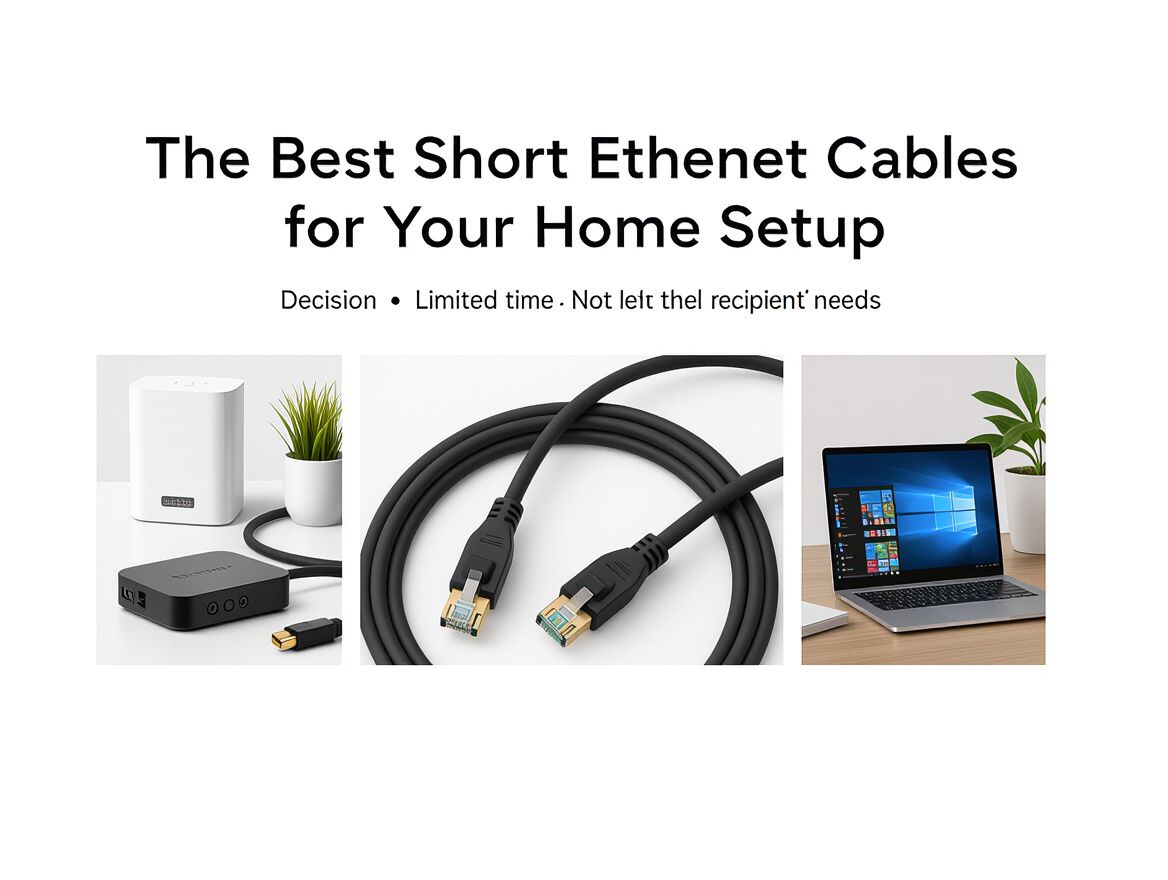
Short Ethernet cables, typically ranging from 1 to 10 feet in length, play a crucial role in optimizing home network setups. These cables are designed to connect devices in close proximity, such as a router to a gaming console or a desktop computer, ensuring a tidy and efficient arrangement without excess cable clutter.
Common Scenarios for Short Ethernet Cables
- Home Office Setup: Ideal for connecting a desktop directly to a router, minimizing latency and maximizing speed.
- Entertainment Systems: Perfect for linking streaming devices to TVs, where long cables could create a messy appearance.
- Gaming Stations: Provides a reliable connection between gaming consoles and routers, essential for seamless online gaming experiences.
Advantages of Using Short Ethernet Cables
- Reduced Signal Loss: Shorter cables can minimize attenuation, ensuring stronger signal quality.
- Space Efficiency: Helps maintain a clean and organized workspace or entertainment area by reducing cable tangling and clutter.
- Cost-Effectiveness: Generally, short cables are less expensive than their longer counterparts, making them a budget-friendly choice for specific setups.
When considering short Ethernet cables for your home, understanding these practical applications and benefits can guide you toward making an informed decision that enhances your network's performance and organization.
Key Considerations When Choosing Short Ethernet Cables
Selecting the right short ethernet cables for your home setup requires careful consideration of several factors to ensure optimal performance and compatibility. Here’s a checklist to guide your decision-making process:
-
Cable Length Requirements: Assess the distance between your devices. Short ethernet cables typically range from 1 to 10 feet, making them ideal for connecting devices that are close together without excess slack.
-
Types of Ethernet Cables: Understand the different categories of ethernet cables:
- Cat5e: Suitable for basic internet use with speeds up to 1 Gbps.
- Cat6: Offers higher speeds (up to 10 Gbps) and improved performance over longer distances.
- Cat6a and above: Better for high-speed applications and less susceptible to interference.
-
Shielding and Durability Factors: Consider whether you need shielded cables (STP) to reduce interference in environments with potential electromagnetic interference (EMI). Durability is also crucial; look for cables with robust connectors and high-quality materials to withstand wear.
-
Compatibility with Devices and Network Speed: Ensure that the cable you choose is compatible with your devices and supports the network speeds you require. For example, if you have a gigabit router, using a Cat5e or Cat6 cable will help you achieve optimal speeds.
By evaluating these key considerations, you can make an informed decision that best suits your home networking needs without the risk of underperformance or incompatibility.
Evaluating the Trade-offs of Short Ethernet Cables
When considering short ethernet cables for your home networking needs, it's essential to weigh the potential downsides and limitations they may present. While these cables can be convenient for specific setups, understanding their constraints will help you make a more informed decision.
-
Distance and Range Limitations: Short ethernet cables are designed for close-range connections. If your devices are spaced further apart, you may find that a longer cable is necessary to achieve optimal performance. Using a short cable inappropriately can lead to cable strain or inadequate connectivity.
-
Potential Connectivity Issues: Although short cables are less prone to signal degradation over distance, if you attempt to extend your network using multiple short cables, you may introduce connectivity issues. Each additional connection point can be a potential failure point, leading to reduced reliability.
-
Comparison with Wireless Alternatives: In some scenarios, wireless connections may offer more flexibility than short ethernet cables. While wired connections generally provide less latency and more stability, the convenience of wireless solutions can outweigh the benefits of short cables, especially in environments where mobility is essential.
In summary, while short ethernet cables can be an excellent solution for specific setups, it's crucial to consider their limitations regarding distance, potential connectivity issues, and how they stack up against wireless alternatives. By evaluating these trade-offs, you can better determine if short ethernet cables are the right choice for your home network.
Risks and Common Misconceptions About Short Ethernet Cables
When considering short ethernet cables for your home setup, it's crucial to navigate the landscape of misconceptions and risks that could impact your decision-making process. Understanding these aspects can help you make a more informed choice.
Misconceptions About Speed and Performance
One prevalent misconception is that shorter ethernet cables inherently provide faster speeds. While it's true that shorter cables reduce the potential for signal degradation, the actual performance also heavily depends on the cable category (e.g., Cat5e, Cat6, etc.) and the quality of the materials used. Thus, a low-quality short cable may not deliver the expected speed, regardless of its length.
Risks of Purchasing Low-Quality Cables
Opting for cheaper, low-quality short ethernet cables can lead to several issues, including:
- Signal Interference: Poor shielding can result in interference, causing slower speeds and unstable connections.
- Durability Concerns: Low-quality cables may not withstand regular use, leading to frayed ends or internal damage over time.
- Limited Bandwidth: Cheaper cables often do not support higher bandwidths, restricting your network's performance potential.
Compatibility Issues with Older Equipment
Another risk involves compatibility with older networking equipment. Some older devices may not support the specifications of newer cables, such as those designed for higher speeds or bandwidths. Before purchasing, ensure that both your cable and equipment are compatible to avoid connectivity issues.
By keeping these risks and misconceptions in mind, you can better assess your needs and make a more confident decision when selecting short ethernet cables for your home network.
Frequently Asked Questions About Short Ethernet Cables
What length is considered 'short' for ethernet cables?
Short ethernet cables typically range from 1 to 10 feet in length. This category is designed for close connections, such as linking devices within the same room or connecting to a wall outlet without excess slack. Understanding the specific length you need can help avoid unnecessary cable clutter and ensure a tidy setup.
Can short ethernet cables impact internet speed?
The length of an ethernet cable can affect performance, but short cables are generally less likely to cause significant speed degradation. Ethernet standards indicate that cables up to 328 feet (100 meters) can maintain optimal performance. Therefore, using a short ethernet cable within the recommended length will not negatively impact your internet speed, assuming the cable is of good quality and properly installed.
Are there specific brands recommended for short ethernet cables?
While there are numerous brands available, it’s essential to consider factors like build quality, shielding, and warranty when selecting a short ethernet cable. Look for reputable manufacturers known for their networking products. Reading user reviews and checking compatibility with your devices can also guide your choice. Always prioritize cables that meet the necessary speed and category standards for your specific networking needs.
Making the Right Choice for Your Networking Needs
Selecting the right short Ethernet cable is essential for optimizing your home network setup. The key factors to consider include the specific use case, cable quality, and your budget. Each of these elements plays a crucial role in ensuring that you achieve the best performance without unnecessary expenses.
- Assess Your Needs: Start by evaluating the devices you want to connect and their proximity to your router. This will help you determine the appropriate length and type of cable required.
- Quality vs. Cost: While it may be tempting to go for the cheapest option, investing in a quality cable can prevent issues such as signal loss and interference. Look for cables that meet current standards (like Cat 5e or Cat 6) to ensure reliable performance.
- Trade-offs: Short cables are generally easier to manage and can reduce clutter, but they may limit flexibility in rearranging your devices. Consider how often you might need to reposition your setup when choosing the length.
In conclusion, making an informed choice about short Ethernet cables involves balancing your specific networking needs with quality and cost considerations. By carefully assessing these factors, you can enhance your home network's efficiency while keeping your environment tidy and organized.