The Advantages of Using Small Ethernet Cables in Your Setup
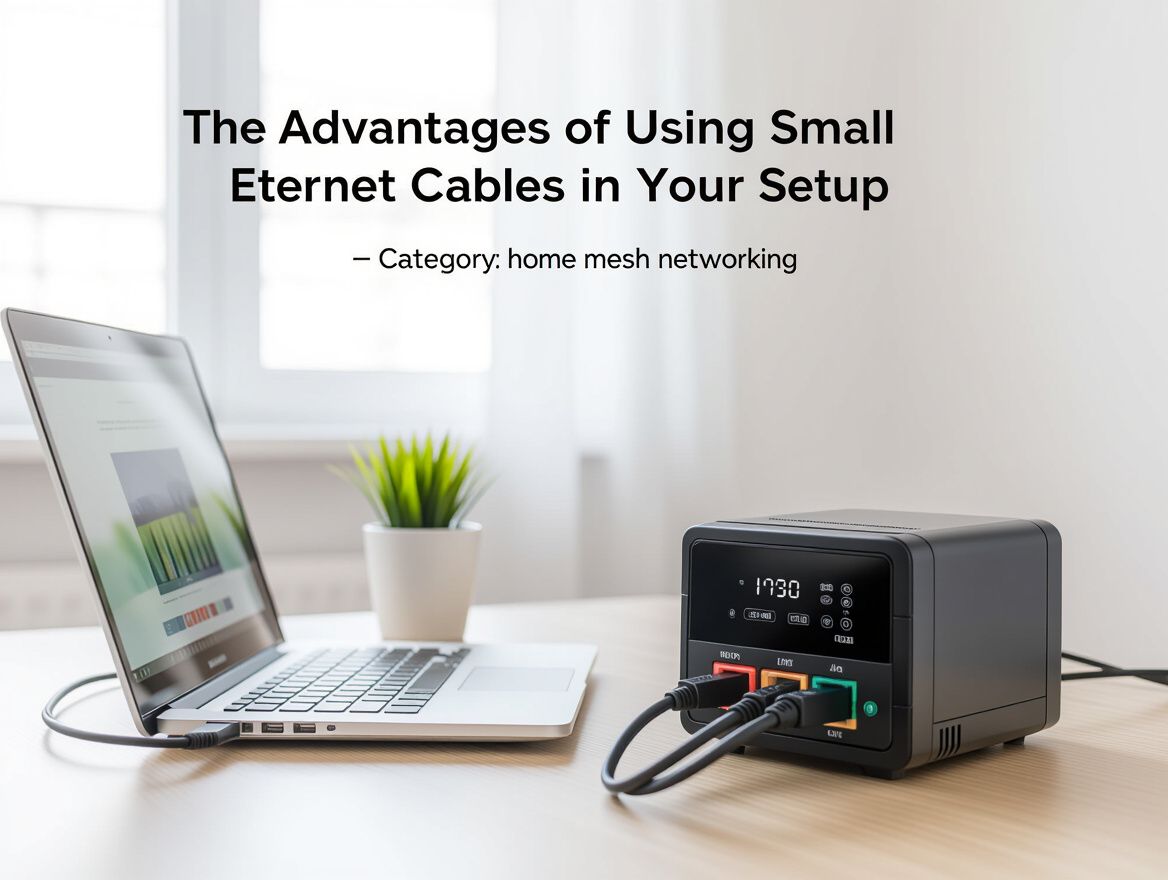
Why Small Ethernet Cables Matter
In the realm of networking, Ethernet cables play a crucial role in establishing reliable connections between devices. They facilitate data transfer, enabling everything from internet browsing to streaming and gaming. However, the size and length of these cables can greatly influence their effectiveness in specific environments, particularly in compact setups.
Small Ethernet cables, typically shorter and more streamlined than standard options, are designed to optimize space without sacrificing performance. They are particularly beneficial in environments where managing cable clutter is essential, such as home offices, small living spaces, or server racks. The advantages of using small Ethernet cables include:
- Space Efficiency: Ideal for tight spaces, reducing the risk of tangling and clutter.
- Reduced Signal Loss: Shorter cables can minimize signal degradation, ensuring better connectivity.
- Ease of Installation: Less cumbersome than longer cables, making setup and adjustments simpler.
While small Ethernet cables offer significant benefits, it's important to consider their fit for your specific needs and the potential trade-offs involved. Understanding these factors will help you make informed decisions as you optimize your networking setup.
Key Benefits of Small Ethernet Cables
Small Ethernet cables offer a variety of practical advantages that can significantly enhance your networking setup, particularly in compact environments like home offices or small living spaces. Understanding these benefits can help you optimize your connectivity without sacrificing space or performance.
-
Space-Saving Design: The compact nature of small Ethernet cables allows for easier installation in tight areas where traditional cables may be cumbersome. This is particularly beneficial in environments with limited space, such as behind entertainment centers or in small office cubicles.
-
Improved Cable Management: Smaller cables contribute to a tidier workspace by reducing clutter. With less bulk, it becomes easier to organize your cables, minimizing the risk of tangling and making it simpler to identify connections. This can lead to a more aesthetically pleasing environment and can improve airflow around your devices.
-
Enhanced Flexibility: Small Ethernet cables are often more flexible than their larger counterparts, making them easier to route around corners and through narrow openings. This flexibility helps in achieving a clean installation, especially in setups that require cables to navigate through tight spaces or when connecting devices that are not aligned directly.
While small Ethernet cables provide these advantages, it is essential to consider your specific networking needs and the potential limitations they may present, such as maximum length and bandwidth capabilities. Being aware of these factors will ensure that you make an informed decision that aligns with your connectivity requirements.
Essential Buying Criteria for Small Ethernet Cables
When selecting small Ethernet cables for your home or office setup, it’s crucial to consider several key factors that can impact performance and usability. Here’s a checklist to guide your decision-making process:
-
Cable Length Options:
- Evaluate the length you need based on your setup. Small Ethernet cables typically range from 0.5 feet to 10 feet.
- Shorter cables can reduce clutter and improve signal quality by minimizing potential interference, while longer cables might be necessary for certain configurations.
-
Connector Types and Compatibility:
- Ensure the cable connectors (usually RJ45) are compatible with your devices. Some devices may require specific types of connectors.
- Check if the cable is designed for straight-through or crossover connections, as this can affect functionality depending on your network setup.
-
Material Quality and Durability Factors:
- Look for cables made from high-quality materials, such as copper wiring, which can enhance signal strength and reduce latency.
- Consider the cable's insulation and shielding, as these can protect against interference and increase longevity, especially in environments with high electromagnetic interference.
By keeping these criteria in mind, you can make a more informed choice that enhances your network's efficiency while fitting seamlessly into your compact environment.
Understanding Trade-offs and Limitations
While small Ethernet cables offer numerous benefits for compact setups, it's essential to consider their potential downsides and limitations before making a purchase. Here are some key factors to keep in mind:
-
Performance Differences Based on Length: Small Ethernet cables are typically shorter, which can lead to improved signal quality due to reduced attenuation. However, very short cables may not always meet the required length for optimal connectivity in larger setups, potentially affecting performance.
-
Compatibility Issues: Not all devices or networking equipment may support small Ethernet cables. It's crucial to ensure that the ports on your devices can accommodate the cable's specifications. Additionally, some older equipment may not be compatible with the latest Ethernet standards that small cables might utilize.
-
Risks of Low-Quality Cables: The market is flooded with various small Ethernet cables, and not all are created equal. Low-quality cables can lead to poor connectivity, increased latency, and even network failures. Investing in reputable brands with solid construction can mitigate these risks.
By weighing these trade-offs and limitations, you can make a more informed decision about whether small Ethernet cables are the right choice for your networking needs.
Frequently Asked Questions About Small Ethernet Cables
When considering small Ethernet cables, potential buyers often have specific questions regarding their functionality, quality, and overall value. Here are some common concerns addressed:
What buyer problem do small ethernet cables solve?
Small Ethernet cables primarily address the challenge of managing space in compact environments. They are designed to:
- Reduce Clutter: Their shorter length minimizes excess cable, making them ideal for setups with limited room.
- Enhance Aesthetics: A tidier appearance can improve the overall look of a workspace or home environment.
- Facilitate Organization: Easier to route in tight spaces without the risk of tangling or interference.
How do small ethernet cables compare to standard cables?
While both small and standard Ethernet cables serve the same fundamental purpose, they differ in certain aspects:
- Length: Small Ethernet cables are shorter, which may result in less signal loss over distance.
- Flexibility: Their compact size allows for easier maneuverability in tight spaces.
- Performance: In most cases, shorter cables can provide better performance due to reduced signal degradation, particularly in environments where distance is a concern.
What should I look for in terms of warranty or quality assurance?
When purchasing small Ethernet cables, consider the following quality indicators:
- Material Quality: Look for cables made from high-quality materials, such as copper wiring and durable insulation, to ensure long-term performance.
- Manufacturer Reputation: Choose brands known for reliability and customer satisfaction.
- Warranty Terms: A good warranty can provide peace of mind, indicating the manufacturer’s confidence in their product quality.
By addressing these common questions, you can gain a clearer understanding of how small Ethernet cables can benefit your networking setup while being mindful of the features and considerations that matter most.
Making the Right Choice for Your Setup
In summary, small Ethernet cables offer distinct advantages tailored for compact environments, enhancing both connectivity and aesthetics. When considering these cables, it's essential to evaluate your specific needs and the unique characteristics of your space.
Key Benefits Recap
- Space Efficiency: Perfect for tight areas, helping to streamline your setup.
- Signal Integrity: Shorter lengths can lead to improved signal quality, reducing potential data loss.
- Simplified Management: Less bulk means easier organization, contributing to a cleaner workspace.
Considerations for Your Setup
- Length Requirements: Assess the distances between your devices to ensure you choose the right cable length.
- Performance Needs: Consider the data transfer speeds necessary for your activities, such as gaming or streaming.
- Environmental Factors: Think about where the cables will be installed—are they exposed to potential damage, or will they remain in a protected space?
Encouragement for Informed Decision-Making
Before purchasing small Ethernet cables, reflect on how these factors align with your setup. By understanding your specific requirements and the benefits of small Ethernet cables, you can make a well-informed choice that enhances your networking experience while keeping your space organized and efficient.