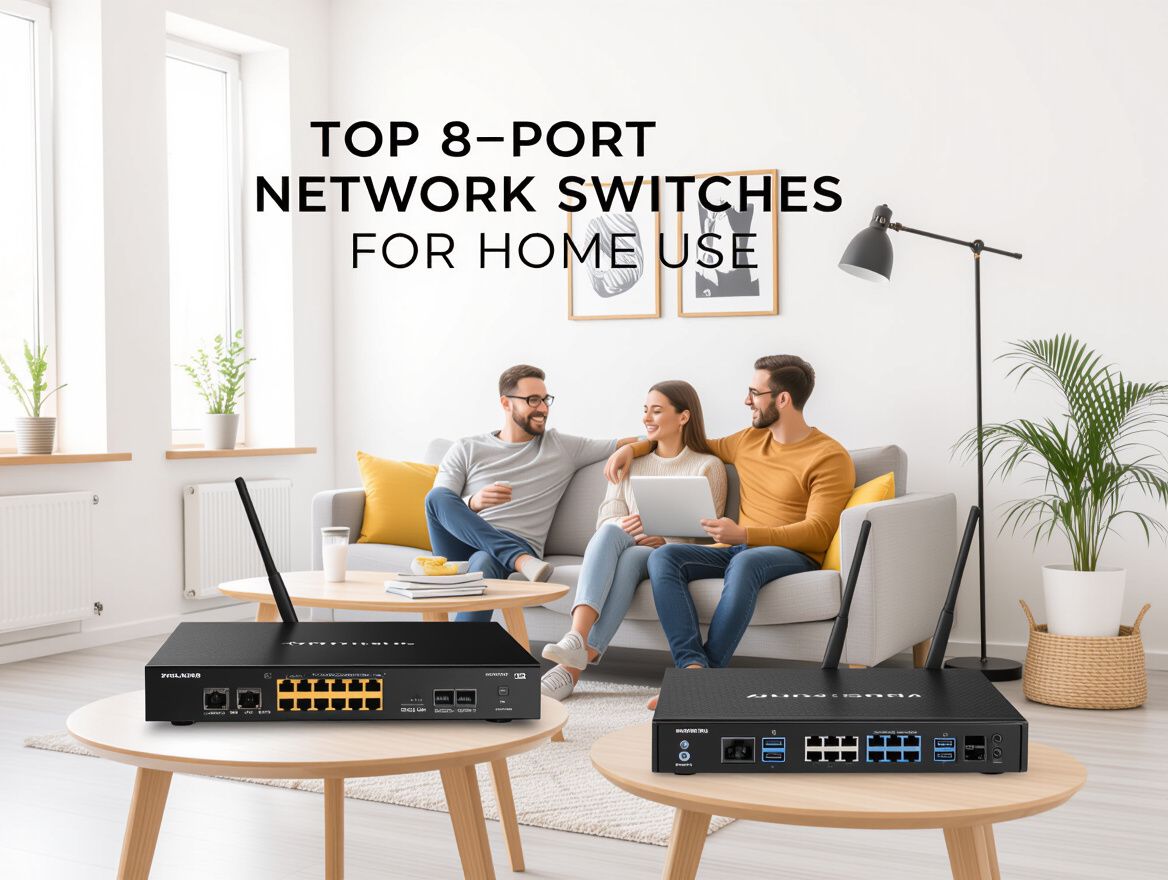
Stackable Network Switches: A Comprehensive Buying Guide

Understanding Stackable Network Switches
Stackable network switches are an essential component in modern networking, allowing multiple physical switches to operate as a single logical unit. This design simplifies management and enhances network scalability, making them particularly beneficial for businesses anticipating growth.
Benefits of Using Stackable Switches
- Simplified Management: By linking several switches together, IT teams can manage them as one entity, which reduces administrative overhead and complexity.
- Scalability: As network demands increase, stackable switches can be easily expanded by adding more units, allowing for a flexible infrastructure that can grow with the business.
- Improved Performance: Stacking can enhance bandwidth and redundancy, as data can be routed more efficiently across interconnected switches.
Role in Network Scalability
Stackable switches play a critical role in enabling businesses to expand their network capabilities without overhauling existing infrastructure. They are particularly advantageous for organizations that need to accommodate increasing numbers of devices and users over time. However, it's important to consider the potential trade-offs, such as:
- Scalability Limits: Many stackable switches have a maximum number of units that can be connected, which may not suffice for larger networks.
- Compatibility Issues: Different vendors may use proprietary protocols, which can limit flexibility when integrating switches from various manufacturers.
- Management Complexity: While they simplify the management of multiple switches, it can still become complex as the number of stacked switches increases, especially if firmware mismatches occur.
Understanding these aspects will help IT professionals and business owners make informed decisions when selecting stackable network switches that align with their current needs and future growth plans.
Key Buying Criteria for Stackable Network Switches
When selecting stackable network switches, it's essential to evaluate several key criteria to ensure the chosen solution aligns with your organization's current needs and future scalability. Here’s a checklist to guide your decision-making process:
-
Stacking Capacity and Limits:
- Assess the maximum number of switches that can be stacked together. Most stacks support between 2 to 8 devices, which can limit scalability if your network expands significantly.
- Consider if the stacking technology is proprietary, as this may restrict your options for future upgrades or replacements.
-
Management Tools and Compatibility:
- Investigate the management interfaces available for the switches. Look for user-friendly tools that support centralized management, which can simplify operations as your network grows.
- Ensure compatibility with existing network infrastructure and protocols. Different manufacturers may use unique stacking methods, which could complicate integration.
-
Performance Metrics and Power Requirements:
- Evaluate the performance specifications, such as throughput and latency, to ensure they meet your network's demands, especially under peak loads.
- Review power consumption and cooling requirements. As you stack more switches, power needs increase, which could influence operational costs and environmental considerations.
By carefully considering these criteria, you can make a more informed decision that supports both your immediate networking needs and long-term growth strategies.
Risks and Trade-offs with Stackable Switches
When considering stackable network switches, it's essential to understand the potential risks and trade-offs that come with their use. While these switches offer scalability and simplified management, they also introduce complexities that can impact your network infrastructure.
-
Scalability Limits and Management Complexity: Stackable switches typically support only a limited number of units (often between 2 to 8). This constraint can become a bottleneck for larger networks that require extensive connectivity. As the number of switches increases, so does the complexity of managing them as a single unit, which can lead to operational inefficiencies.
-
Firmware Mismatches and Operational Issues: Different firmware versions across stacked switches can lead to compatibility problems. If one switch in the stack runs an outdated firmware, it may not communicate effectively with others, resulting in performance issues or even network outages. Ensuring that all switches are consistently updated is crucial but can be a challenging task in larger deployments.
-
Vendor-Specific Protocols and Flexibility Concerns: Many stackable switches rely on proprietary protocols for stacking functionality. This reliance can limit your flexibility when it comes to choosing equipment from different vendors. If you need to replace a switch or expand your network, you might find yourself constrained to a particular brand or model, which could lead to higher costs and reduced options.
Understanding these risks will help you make a more informed decision when selecting stackable network switches that align with your business objectives and future growth plans.
Analyzing Different Stackable Switch Options
When selecting stackable network switches, it's crucial to analyze the various options available in the market. Each brand and model offers unique features that cater to different business needs and scalability requirements. Here’s a breakdown of key considerations, comparisons, and trade-offs among leading brands.
Key Features Comparison
-
Stacking Capacity:
- Different models offer varying stacking capacities. For instance, some switches allow for a higher number of units to be stacked, which can be beneficial for larger networks needing flexibility.
-
Management Tools:
- Look for switches that come with intuitive management interfaces. Some brands provide advanced monitoring and configuration tools, which can simplify network management.
-
Performance Metrics:
- Evaluate specifications like throughput and latency. Higher performance metrics are essential for businesses with demanding applications.
Pros and Cons of Different Models
-
Cisco:
- Pros: Robust performance, extensive support, and advanced management features.
- Cons: Typically higher price point and potential complexity in configuration.
-
HPE (Aruba):
- Pros: User-friendly management interface and strong integration with cloud services.
- Cons: Limited stacking options compared to some competitors.
-
Netgear:
- Pros: Cost-effective solutions for smaller businesses and straightforward setup.
- Cons: May lack advanced features needed for larger enterprise environments.
Suitability for Various Business Sizes
-
Small Businesses:
- For small to medium-sized businesses, a switch with lower stacking capacity and simpler management tools may suffice. Look for models that offer scalability without overwhelming complexity.
-
Medium to Large Enterprises:
- Larger organizations often require high-performance switches with significant stacking capabilities. These models can support substantial growth and increased network demands.
Trade-offs and Fit Limits
-
Scalability vs. Complexity:
- While stackable switches offer excellent scalability, they can also introduce management complexity. Weigh the need for future growth against the resources available for network management.
-
Cost vs. Features:
- Higher-end models may provide advanced features but at a premium cost. Assess whether the additional capabilities justify the investment based on your current and projected needs.
Risks to Consider
-
Firmware Compatibility:
- When stacking switches from different models or brands, ensure that firmware versions are compatible to avoid operational issues.
-
Power Demands:
- Stacking multiple units can increase power requirements. Evaluate your power infrastructure to ensure it can support the additional load.
By carefully analyzing these factors, IT professionals and business owners can make informed decisions when selecting stackable network switches that align with their specific needs and ensure future scalability.
Frequently Asked Questions About Stackable Switches
When considering stackable network switches, potential buyers often have specific questions that can significantly influence their decision-making process. Here are some common inquiries and their answers:
What buyer problem do stackable switches solve?
Stackable network switches primarily address the challenges of scalability and management in growing network infrastructures. They allow multiple physical switches to be interconnected and managed as a single logical unit, simplifying network administration. This is particularly beneficial for businesses expecting growth, as it avoids the complexity associated with managing numerous standalone switches.
How do I determine the right number of switches for my needs?
To assess the appropriate number of stackable switches, consider the following criteria:
- Current Network Load: Analyze your current traffic and bandwidth requirements.
- Future Expansion: Estimate potential growth in users and devices to determine how many additional ports you might need.
- Stacking Capacity: Note that most stackable switches support a limited number of units (typically 2-8). Ensure the chosen switches can accommodate your projected scaling without exceeding this limit.
What are the maintenance requirements for stackable switches?
Maintenance for stackable switches includes:
- Firmware Updates: Regularly updating the firmware is crucial to ensure optimal performance and security.
- Monitoring Performance: Utilize network management tools to monitor the health and performance of the stack.
- Physical Maintenance: Ensure proper cooling and power supply management as stacks grow, as larger configurations can generate more heat and require more power.
By addressing these questions, buyers can make more informed decisions when selecting stackable switches that align with their specific needs and future growth plans.
Making an Informed Decision on Stackable Network Switches
Choosing the right stackable network switches requires careful consideration of several key factors. Here’s a recap of the essential criteria and risks to keep in mind as you evaluate your options:
-
Scalability Needs: Assess your current and future network demands. Stackable switches allow for easy expansion, but you should determine how many units you might need to support growth without significant complexity.
-
Management Complexity: While stackable switches simplify management by operating as a single unit, they can introduce challenges, such as firmware mismatches and the need for compatible management tools. Ensure that your team is equipped to handle these complexities.
-
Power and Cooling Requirements: As you stack more switches, be mindful of the power demands and cooling needs. Larger stacks may require additional resources to maintain optimal performance, which can affect overall operational costs.
-
Vendor Compatibility: Different manufacturers may have proprietary stacking protocols, which could limit your flexibility. Ensure that the switches you choose can integrate seamlessly with your existing infrastructure or future upgrades.
-
Risk of Overbuying: It’s essential to avoid the temptation to purchase more capacity than necessary. Overestimating your needs can lead to wasted resources and increased complexity in management.
As you consider these points, take the time to assess your specific networking requirements and how they may evolve. A thoughtful selection process will not only enhance your current infrastructure but also provide a foundation for future growth. Remember, the right stackable network switch can significantly impact both operational efficiency and scalability.