Gigabit Network Switches: Why You Need One for Your Home Network
Understanding Gigabit Network Switches
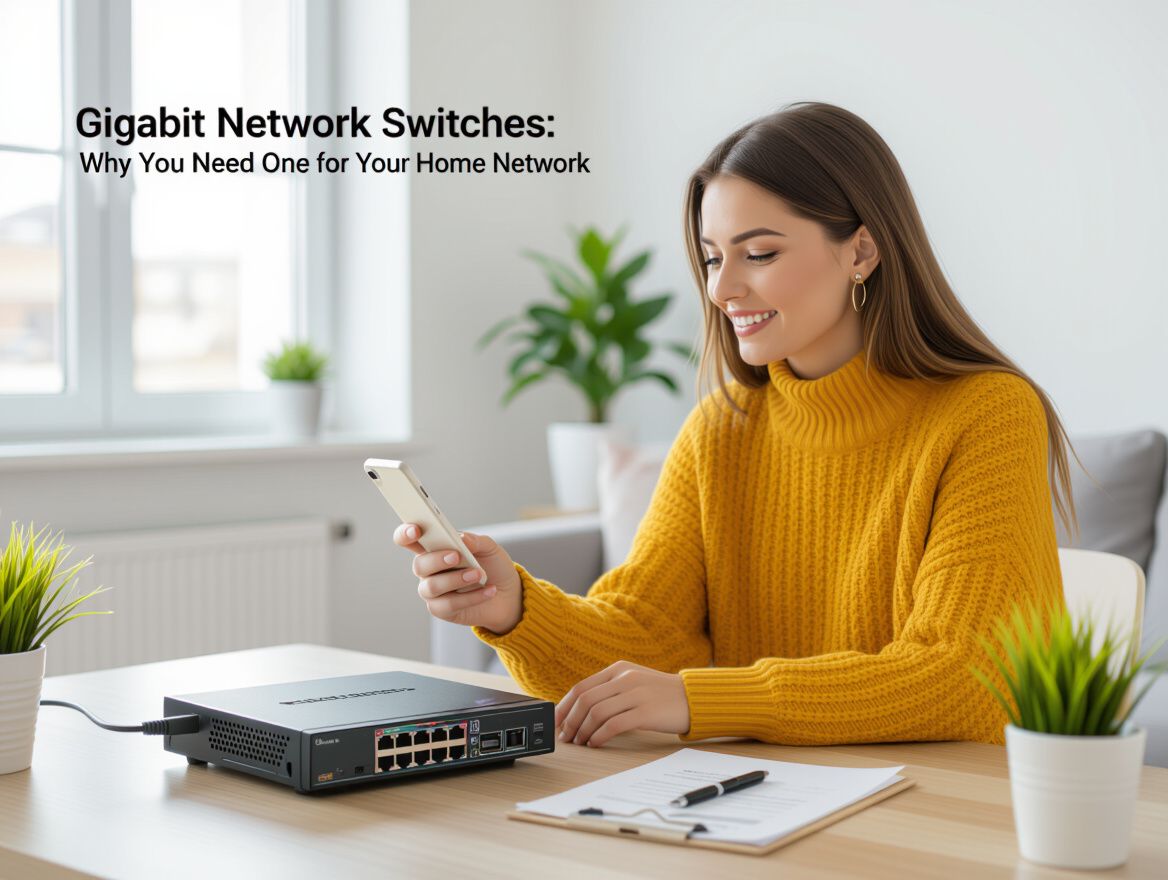
Gigabit network switches are essential devices that facilitate high-speed data transfer within home and small business networks. These switches provide connectivity among multiple devices, enabling them to communicate effectively while ensuring optimal performance. With a capability of delivering data speeds of up to 1 Gbps, gigabit network switches are increasingly important as internet speeds and data demands rise.
Importance of Speed and Connectivity
In today's digital landscape, efficient connectivity is critical. The reliance on streaming services, online gaming, and video conferencing requires robust network infrastructure. Gigabit network switches support these bandwidth-intensive applications by minimizing latency and maximizing throughput. This is particularly vital for households with multiple users or devices connected simultaneously.
Common Use Cases
- Home Networks: Ideal for connecting smart TVs, gaming consoles, and computers, ensuring smooth streaming and gaming experiences.
- Small Businesses: Supports multiple workstations, printers, and shared storage devices, allowing seamless collaboration and resource sharing.
- Home Offices: Enhances productivity by providing reliable internet access for remote work, video calls, and cloud-based services.
When considering a gigabit network switch, it's important to evaluate your specific needs, such as the number of devices, required features (like Power over Ethernet or VLAN support), and potential future growth. Understanding these elements will help you make an informed decision that enhances your network's performance and reliability.
Key Features to Consider When Buying a Gigabit Network Switch
When selecting a gigabit network switch for your home or small business, understanding the essential features can significantly enhance your network's performance. Here are the key criteria to evaluate:
-
Port Count and Types: Determine how many devices you need to connect. Gigabit switches typically come with various port counts, such as 5, 8, 16, or 24 ports. Additionally, consider whether you need a managed switch, which allows for advanced configuration and monitoring, or an unmanaged switch, which is simpler and usually more cost-effective.
-
Speed Capabilities: Ensure that the switch supports a minimum speed of 1 Gbps (Gigabit Ethernet). This speed is essential for handling modern internet plans and high-bandwidth activities like streaming and gaming.
-
Power over Ethernet (PoE) Support: If you plan to power devices such as IP cameras or wireless access points through the switch, look for PoE capabilities. This feature can simplify your setup by eliminating the need for separate power sources for these devices.
-
VLAN Support: If you need to segment your network for security or performance reasons, consider a switch that supports Virtual Local Area Networks (VLANs). This feature allows you to create separate networks within the same physical infrastructure, improving management and performance.
-
Form Factor and Design Considerations: Depending on your space and aesthetic preferences, choose between desktop or rack-mounted switches. Additionally, consider the cooling requirements and noise levels, especially if the switch will be placed in a living area or small office.
By evaluating these features, you can select a gigabit network switch that aligns with your specific connectivity needs and future growth plans.
Advantages of Gigabit Network Switches for Home Use
Gigabit network switches offer significant advantages over traditional Fast Ethernet switches, primarily in speed and performance, which are crucial for modern home networks. Here’s a closer look at the key benefits:
-
Enhanced Speed for Multiple Devices: Gigabit switches provide data transfer rates of up to 1 Gbps, accommodating the demands of multiple devices connected simultaneously. This is particularly beneficial for households with smart devices, gaming consoles, and streaming services, ensuring smooth performance without bottlenecks.
-
Improved Network Reliability and Performance: Unlike older switch models, gigabit switches maintain consistent speeds even under heavy use. This reliability is vital for activities such as video conferencing, online gaming, and large file transfers, where interruptions can lead to frustration and productivity loss.
-
Future-Proofing for Internet Speed Upgrades: As internet service providers continue to increase their offerings, having a gigabit switch ensures that your home network can handle higher speeds without requiring additional investments in infrastructure. This foresight can save you from needing to upgrade your equipment as your internet plan evolves.
When considering a gigabit switch, it's essential to evaluate your current and future networking needs. Think about the number of devices you plan to connect, the types of activities that will use the network, and whether you might upgrade your internet service in the future. Balancing these factors will help you choose a switch that not only meets your immediate needs but also supports your home network for years to come.
Common Risks and Trade-offs to Consider
When selecting a gigabit network switch for your home or small business, it’s essential to understand the potential pitfalls that could impact your network's performance and efficiency. Here are some common risks and trade-offs to keep in mind:
-
Overbuying Capacity: Purchasing a switch with more ports than needed can lead to wasted resources. While it may seem beneficial to have extra capacity for future growth, consider your current and near-future needs to avoid unnecessary expenses.
-
Compatibility Issues: Ensure that the gigabit network switch you choose is compatible with your existing network hardware. Mismatched devices can lead to performance bottlenecks or configuration challenges that may require additional troubleshooting.
-
Lack of Advanced Features: Older gigabit switches may lack essential features such as Power over Ethernet (PoE), VLAN support, or advanced management options. These limitations can hinder your ability to optimize your network for specific applications or devices, such as IP cameras or VoIP phones.
-
Configuration Errors: Incorrectly configuring your switch can significantly impact network performance. Common mistakes include improper port settings and outdated firmware. Regularly review your switch settings and keep firmware updated to ensure optimal operation.
By weighing these risks and trade-offs, you can make a more informed decision when selecting the right gigabit network switch that fits your specific needs and enhances your home connectivity.
Frequently Asked Questions About Gigabit Network Switches
Understanding gigabit network switches can be complex, especially with various features and specifications. Below are answers to common questions that can help inform your purchasing decision.
What is the difference between managed and unmanaged switches?
- Unmanaged Switches: These are plug-and-play devices that do not require any configuration. They are ideal for simple networks where basic connectivity is needed.
- Managed Switches: These allow for greater control, offering features such as VLAN support, traffic prioritization, and remote monitoring. They are suitable for more complex networks where performance and security are priorities.
How many ports do I need for my home network?
- Assess the number of devices you plan to connect, including computers, printers, smart TVs, and gaming consoles.
- Consider future growth; it’s advisable to choose a switch with a few extra ports to accommodate new devices without needing an upgrade.
- A common choice for home users is an 8-port switch, but larger households or small businesses may benefit from 16 or 24 ports.
Can I use a gigabit switch with slower devices?
- Yes, gigabit switches are backward compatible with devices that have slower Ethernet ports (10/100 Mbps). However, the overall network speed will be limited by the slowest device connected.
- This means while your switch can handle gigabit speeds, the performance will not exceed the capabilities of the connected slower devices.
What factors affect network performance?
- Bandwidth: The total amount of data that can be transmitted over your internet connection will impact overall speed.
- Network Traffic: More devices using the network simultaneously can lead to congestion, which may reduce performance.
- Quality of Equipment: The specifications of your switch, cables, and routers also play a crucial role in maintaining optimal speeds.
- Configuration: Properly configuring your network settings can enhance performance, especially with managed switches that allow for traffic management features.
Understanding these aspects will help you make an informed decision about which gigabit network switch best suits your home or small business needs.
Making the Right Choice for Your Network
When considering a gigabit network switch for your home or small business, it's essential to weigh several key factors. A gigabit switch can significantly enhance your network speed and connectivity, but the right choice depends on your specific needs and future growth plans.
Key Features to Consider:
- Port Count: Evaluate how many devices you plan to connect. Too few ports may lead to costly upgrades, while too many could result in paying for unused capacity.
- Manageability: Determine whether you need a managed or unmanaged switch. Managed switches offer advanced features like VLAN support and traffic monitoring, which can be beneficial for complex networks.
- Power over Ethernet (PoE): If you plan to power devices like IP cameras or access points directly through the switch, consider models that support PoE.
- Future Scalability: Think about potential growth. Choose a switch that can accommodate additional devices without necessitating an upgrade soon.
Assessing Personal Needs:
Take stock of your current network demands and anticipate future requirements. If your usage is likely to increase, investing in a switch with higher capacity and advanced features can save you money in the long run.
Final Thoughts:
Investing in a gigabit network switch is a strategic decision that can greatly improve your network's performance. By understanding your specific needs, evaluating key features, and planning for future growth, you can make an informed choice that enhances your connectivity today and tomorrow.