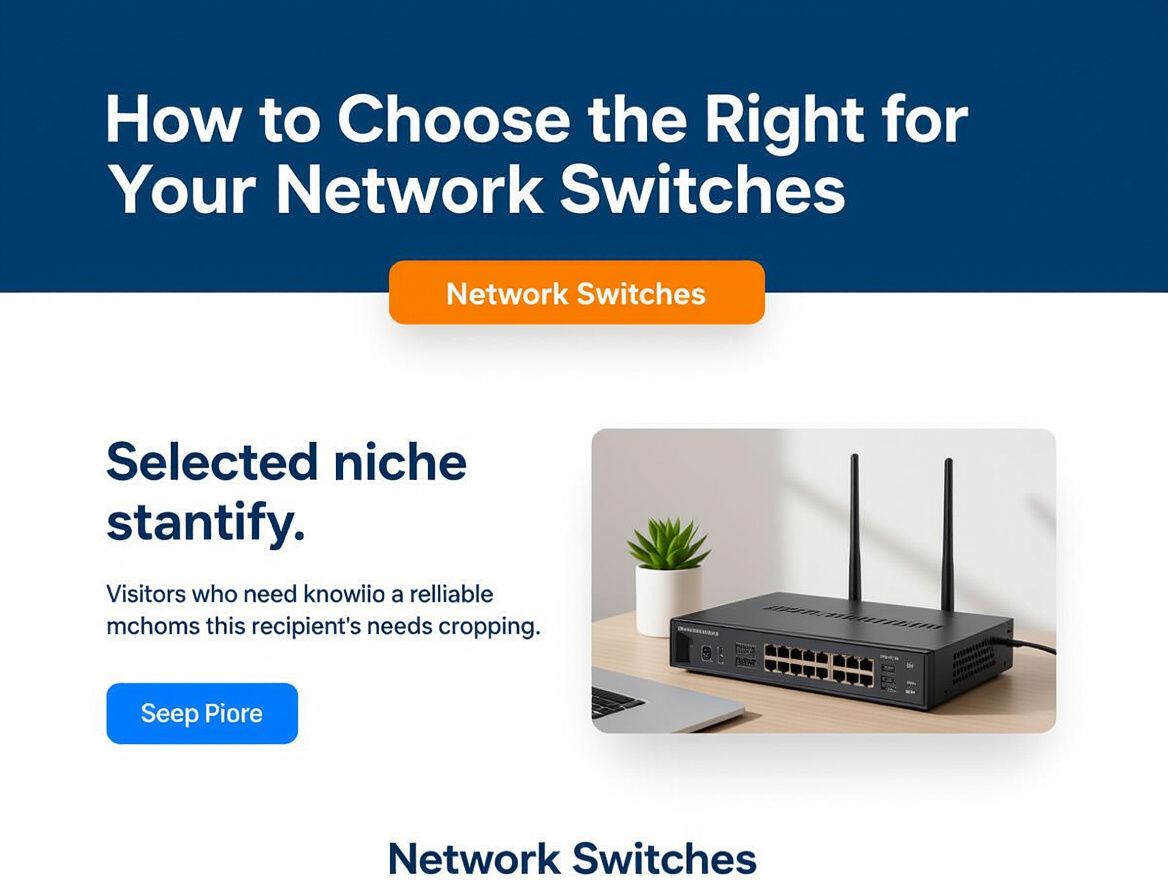
D-Link Network Switches: Are They Worth the Investment?

Understanding D-Link Network Switches
D-Link network switches are essential devices that facilitate communication between different devices on a network. They manage data traffic efficiently, ensuring that data packets are sent to the correct destinations without causing congestion. This functionality is crucial for both individuals and businesses that rely on stable and fast network connections.
As a brand, D-Link has established itself as a reputable provider of networking solutions, offering a diverse range of switches tailored for various needs. Their product lineup includes managed and unmanaged switches, as well as Power over Ethernet (PoE) options, which allow for both data and power to be delivered over the same cable. This versatility makes D-Link switches suitable for a wide array of applications, from home networks to complex business infrastructures.
Selecting the right network switch is vital for optimizing performance and ensuring that your network can scale with your needs. Considerations such as the number of ports, speed capabilities, and whether you need managed features can significantly impact your network's efficiency. By assessing your specific requirements against these factors, you can determine if investing in D-Link network switches aligns with your networking goals.
Key Buying Criteria for Network Switches
When considering D-Link network switches, it's essential to evaluate several key factors to ensure they align with your networking needs. Here’s a checklist to guide your decision-making process:
-
Port Count and Types:
- Determine the number of devices you need to connect. D-Link offers various models, including options with Gigabit and Power over Ethernet (PoE) capabilities.
- Assess whether you need additional ports for future expansion, as some models come with SFP ports for fiber connections.
-
Managed vs. Unmanaged Options:
- Managed switches provide more control over network traffic and security features, making them suitable for businesses with complex networking needs.
- Unmanaged switches are typically easier to set up and are ideal for straightforward, plug-and-play scenarios.
-
Performance Metrics:
- Look for specifications on speed and reliability. D-Link switches are often noted for their performance in both home and business environments.
- Consider features such as Quality of Service (QoS) for prioritizing network traffic, especially if you use bandwidth-intensive applications.
-
Budget Considerations:
- Evaluate your budget against the features offered. D-Link switches vary in price, so consider what features are necessary for your specific use case.
- Keep in mind potential hidden costs, such as additional hardware or licenses for managed switches.
-
Warranty and Support Options:
- Review the warranty terms and customer support options available with D-Link products. A good warranty can provide peace of mind, especially in business settings where downtime can be costly.
- Research customer experiences with D-Link’s support to gauge their responsiveness and effectiveness in resolving issues.
By assessing these criteria, you can better determine if D-Link network switches will meet your requirements and provide value compared to alternatives.
Trade-offs and Considerations
When evaluating D-Link network switches, it's essential to weigh the pros and cons against your specific networking needs. While D-Link offers a variety of models, understanding the trade-offs can help you make a more informed decision.
Pros of D-Link Switches
- Variety of Options: D-Link provides a range of switches, including managed, unmanaged, and Power over Ethernet (PoE) models, catering to different environments and requirements.
- Cost-Effectiveness: Generally, D-Link switches are competitively priced, making them a viable option for budget-conscious buyers.
- User-Friendly Features: Many models come with plug-and-play functionality, making them easy to set up without extensive networking knowledge.
Cons of D-Link Switches
- Configuration Issues: Users have reported challenges with initial configuration, particularly with managed switches. Problems like accessing the web management interface can arise, which may require technical support to resolve.
- Network Congestion: In high-traffic scenarios, some D-Link switches may experience congestion, leading to dropped connections. Implementing Quality of Service (QoS) settings can help, but this adds complexity to network management.
- Long-Term Reliability: While many users find D-Link switches reliable, there are anecdotal reports of performance degradation over time, particularly under heavy loads.
Comparison with Other Brands
When comparing D-Link to competitors like TP-Link or Cisco, consider the following:
- Feature Set: While D-Link offers a solid feature set, other brands may provide advanced options like enhanced security features or superior management interfaces, which could be critical for larger networks.
- Support and Warranty: D-Link provides a limited lifetime warranty, but customer support experiences can vary. Some users have found faster response times with competing brands.
- Scalability: For businesses planning to expand their networks, examining scalability options from other brands might be beneficial, as some competitors offer more robust enterprise solutions.
Common Buyer Concerns
- Configuration Complexity: Be prepared for potential configuration challenges, especially with managed switches. Research and support resources can mitigate these issues.
- Risk of Overloading: If your network demands increase, ensure that the D-Link model you choose can handle the load without performance drops. Consider future network growth when making your selection.
- Cost vs. Value: While D-Link switches may have lower initial costs, assess whether they meet your long-term networking needs to avoid additional expenses in the future.
By carefully considering these trade-offs and buyer concerns, you can better assess whether D-Link network switches align with your networking goals and operational demands.
Is a D-Link Switch Right for You?
Determining whether a D-Link network switch suits your needs involves understanding your current and future network requirements. Here’s a structured approach to assess if D-Link switches align with your objectives:
Identify Your Use Case
- Home Networking: If you need a switch for basic home use, such as connecting a few devices like computers, printers, or smart home technology, an unmanaged switch from D-Link could suffice.
- Small Business: For small businesses, consider managed switches that offer more control over network traffic, VLAN support, and enhanced security features.
- Enterprise Solutions: Larger enterprises may require industrial-grade switches with advanced features, such as higher port density and redundancy options.
Evaluate Current Network Demands
- Device Count: Assess how many devices you currently have and plan to connect. D-Link offers various port options, so ensure you choose a model that accommodates your needs.
- Traffic Type: Consider the type of data traffic (e.g., video streaming, large file transfers) to determine the necessary bandwidth. D-Link switches provide options with different speeds (e.g., Gigabit) to support high-demand scenarios.
Assess Future Scalability
- Growth Potential: Think about your future networking needs. If you anticipate adding more devices or requiring more bandwidth, select a switch that supports expansion, such as those with stacking capabilities or additional ports.
- Feature Upgrades: Consider whether you might need features like Power over Ethernet (PoE) for powering devices like IP cameras or phones. D-Link offers PoE options that can simplify installation and reduce cable clutter.
By carefully evaluating these criteria, you can make an informed decision about whether a D-Link switch meets your networking requirements and offers the value you expect.
Potential Risks of Choosing D-Link Network Switches
While D-Link network switches can offer valuable functionality for both individuals and businesses, there are several potential risks and caveats to consider before making a purchase. Understanding these factors can help you make a more informed decision.
-
Configuration Errors: Users may encounter configuration challenges, especially with managed switches. Misconfigurations can lead to network performance issues or connectivity problems. It's essential to have a clear understanding of your network requirements and the switch's features to avoid these pitfalls.
-
Limitations of Unmanaged Switches: D-Link's unmanaged switches provide basic functionality but lack advanced features such as VLAN support or traffic management. For businesses needing more control over their network, these switches may not meet expectations.
-
Issues with Older Models: Some older D-Link switch models have been reported to experience performance degradation or compatibility issues with newer network protocols. If considering an older model, verify its specifications and user reviews to ensure it meets current networking standards.
-
Technical Support Availability: While D-Link provides technical support, user experiences vary. Some have reported delays in response times or difficulty in resolving complex issues. It's advisable to consider the support options available and whether they align with your business needs.
By weighing these risks against the benefits, you can better assess whether D-Link network switches are a suitable investment for your networking requirements.
Frequently Asked Questions
When considering D-Link network switches, potential buyers often have specific queries that can impact their purchasing decisions. Here are some of the most common questions:
What makes D-Link switches better than other brands?
D-Link switches are known for their versatility and range of options, including managed and unmanaged models, as well as Power over Ethernet (PoE) capabilities. This variety allows users to choose a switch that fits their specific networking needs, whether for home use or larger business setups. Additionally, D-Link’s reputation for reliability and performance in various environments can provide added assurance for users.
How do I troubleshoot common issues?
Troubleshooting D-Link network switches typically involves several key steps:
- Check Connections: Ensure all cables are securely connected and undamaged.
- Reset the Switch: If issues persist, resetting the switch can resolve configuration errors.
- Firmware Updates: Keeping the firmware updated can help fix bugs and improve performance.
- Consult Support: For unresolved issues, contacting D-Link’s technical support can provide tailored assistance.
What is the warranty policy for D-Link products?
D-Link typically offers a limited lifetime warranty on many of their switches, which reflects the manufacturer's confidence in their product's durability and performance. However, warranty specifics can vary by model, so it's important to verify the details for the particular switch you are considering.
Final Thoughts on D-Link Network Switches
As you consider D-Link network switches for your networking needs, it’s essential to revisit the criteria that matter most in your decision-making process. Key factors include:
- Port Count: Evaluate how many devices you need to connect. D-Link offers various models, from small switches with a few ports to larger ones suitable for extensive networks.
- Managed vs. Unmanaged: Determine whether you need advanced management features. Managed switches provide greater control over network traffic, while unmanaged switches are simpler and often more cost-effective.
- Power over Ethernet (PoE): If your setup requires powering devices like IP cameras or phones, consider D-Link's PoE options, which simplify installation by eliminating the need for separate power sources.
- Speed and Performance: Assess the speed capabilities of the switches. D-Link offers gigabit options that can handle high data throughput, ideal for businesses with heavy data needs.
In evaluating D-Link's value proposition, it’s clear that their switches are designed to meet a variety of networking demands, from home use to complex business environments. However, it’s crucial to weigh these benefits against potential trade-offs, such as configuration complexities with managed switches or limitations in support for certain high-demand applications.
Before making a purchase, take a moment to reflect on your specific networking requirements. Consider how D-Link's offerings align with your current and future needs, and ensure that any choice you make fits seamlessly into your existing infrastructure. By doing so, you can confidently decide whether investing in D-Link network switches is the right move for your networking setup.