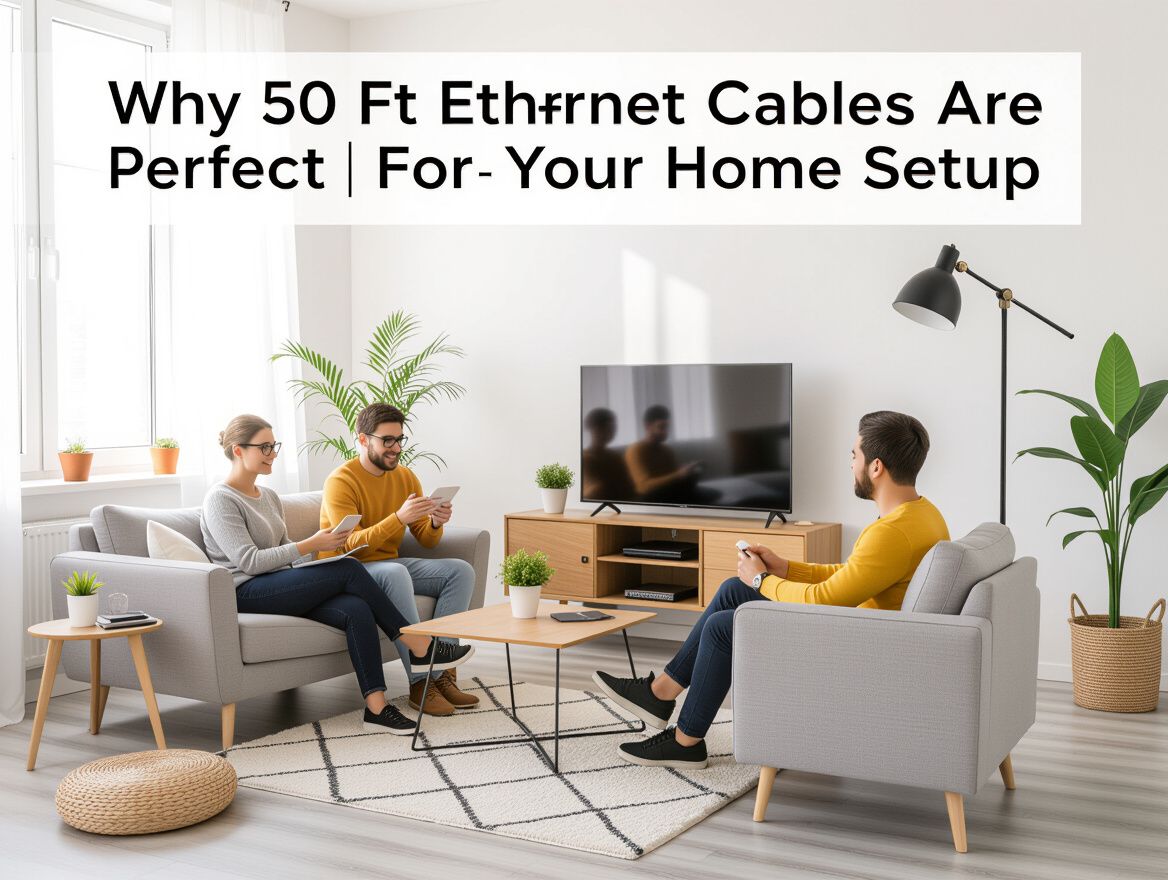
Why 50 Ft Ethernet Cables Are Perfect for Your Home Setup
Understanding the Importance of Ethernet Cable Length
Ethernet cables play a crucial role in establishing a reliable and high-speed internet connection within your home network. They are essential for connecting devices such as computers, gaming consoles, and smart TVs to your router or modem, ensuring minimal latency and consistent performance compared to wireless connections.
When it comes to cable length, 50 ft ethernet cables are particularly popular among consumers. This length strikes a balance between providing enough reach for most home setups while minimizing signal degradation that can occur over longer distances. Here are some practical benefits and considerations for choosing a 50 ft ethernet cable:
-
Flexibility in Setup: At 50 feet, these cables allow for versatile placement of devices, making them ideal for setups where the router is located away from the devices needing a wired connection.
-
Reduced Interference: Shorter cables generally experience less interference, which can enhance the overall performance of your network.
-
Cost-Effective: Compared to longer cables, 50 ft variants tend to be more affordable while still offering sufficient length for most home environments.
However, it’s essential to consider potential drawbacks as well. For instance, if your setup requires longer distances, you may need to look into alternatives that can handle extended lengths without compromising signal quality. Additionally, while 50 ft cables are suitable for many home networking scenarios, specific use cases, such as connecting devices across multiple rooms, might necessitate longer options.
In summary, understanding the importance of cable length in relation to your home networking needs can guide you in making an informed decision about whether a 50 ft ethernet cable is the right choice for your setup.
Key Factors to Consider When Choosing 50 Ft Ethernet Cables
When selecting 50 ft ethernet cables, several essential criteria can significantly impact your home network's performance and reliability. Here’s a concise checklist to guide your decision-making process:
-
Cable Type (Cat5e, Cat6, Cat6a, etc.):
- Different categories of cables offer varying speeds and bandwidth capabilities.
- For instance, Cat5e supports up to 1 Gbps, while Cat6 can handle up to 10 Gbps at shorter distances. Choose based on your internet speed requirements and future-proofing needs.
-
Durability and Build Quality:
- Look for cables with robust insulation to protect against wear and environmental factors.
- Consider options with reinforced connectors to prevent bending and breakage, especially if the cable will be frequently moved or adjusted.
-
Compatibility with Existing Networking Equipment:
- Ensure that the selected cable type aligns with your modem, router, and any connected devices.
- Using a higher category cable (like Cat6) with older equipment (like Cat5) is generally permissible but may not yield the expected performance benefits.
-
Shielding:
- Cables with shielding (like STP or FTP) can reduce interference from other electronic devices, which is beneficial in environments with multiple electronics.
- Consider whether your setup is in a high-interference area (like near microwaves or wireless routers) when deciding on shielding.
-
Flexibility vs. Rigidity:
- If you need to run cables through tight spaces or around corners, flexible cables may be advantageous.
- However, rigid cables can often offer better durability in permanent installations.
By evaluating these factors, you can make an informed decision that best fits your home networking needs while optimizing connectivity and performance.
Evaluating Trade-offs and Limitations of 50 Ft Ethernet Cables
When considering 50 ft ethernet cables for your home network, it's essential to weigh the limitations alongside their practical benefits. While these cables offer flexibility in setup and can effectively bridge distances in a home environment, several factors can impact performance and usability.
-
Length-Related Signal Degradation: Ethernet signals can experience attenuation over longer distances. Although 50 ft is generally within a range that maintains signal integrity, users should be aware that as the length increases, particularly beyond 100 meters, the risk of degradation rises. For most home setups, 50 ft is a safe choice, but it's crucial to ensure the quality of the cable to mitigate potential loss.
-
Physical Obstructions: The layout of your home can significantly affect the performance of 50 ft cables. Walls, furniture, and other physical barriers can interfere with the signal, leading to potential connectivity issues. It's advisable to plan the cable route carefully, avoiding as many obstructions as possible to maintain optimal performance.
-
Comparison with Other Lengths: When evaluating whether to opt for a 50 ft cable, consider how it compares to shorter or longer alternatives. Shorter cables can reduce clutter and minimize potential signal loss, while longer cables may be necessary for specific setups. However, longer cables can introduce more points of potential failure and may require more careful installation to avoid tangling or damage.
By assessing these trade-offs, you can make an informed decision about whether 50 ft ethernet cables fit your home networking needs. Understanding the limitations helps ensure that you select the right cable length for your specific environment and usage scenarios.
Common Risks and Considerations When Purchasing Ethernet Cables
When considering the purchase of 50 ft ethernet cables, it's crucial to be aware of potential pitfalls that could affect your home network's performance and reliability. Understanding these risks can help you make an informed decision and avoid common mistakes.
-
Misleading Product Specifications: Some manufacturers may exaggerate the capabilities of their cables. Always check the specifications for supported speeds, bandwidth, and standards (like Cat5e, Cat6, etc.). Look for third-party reviews or user feedback to validate these claims.
-
Importance of Purchasing from Reputable Brands: Not all ethernet cables are created equal. Brands with a solid reputation are more likely to offer reliable products. Researching and choosing established brands can help ensure you're getting a quality cable that meets your networking needs.
-
Avoiding Counterfeit or Low-Quality Cables: The market has a significant number of counterfeit or substandard cables that can lead to connectivity issues, such as reduced speeds or signal loss. Be cautious of unusually low prices and purchase from trusted retailers to mitigate this risk.
By keeping these considerations in mind, you can enhance your chances of selecting a 50 ft ethernet cable that will provide optimal performance for your home network setup.
Frequently Asked Questions About 50 Ft Ethernet Cables
What specific problems do 50 ft ethernet cables solve?
50 ft ethernet cables are particularly effective in overcoming distance limitations that can hinder network performance. Here’s how they address specific issues:
- Distance Coverage: They provide sufficient length for connecting devices that are not in close proximity to the router, such as gaming consoles, PCs, or smart TVs.
- Signal Strength: Longer cables, like the 50 ft variant, typically maintain better signal quality over distance compared to wireless connections, reducing lag and improving reliability.
- Flexibility in Setup: They allow for versatile home configurations, enabling you to place devices where they perform best rather than being restricted by Wi-Fi signal strength.
How do I determine if 50 ft is the right length for my needs?
To ensure a 50 ft ethernet cable is suitable for your setup, consider the following:
- Measurement: Measure the distance between your router and the device you wish to connect. It's advisable to add a few extra feet to your measurement for flexibility and to avoid tension on the cable.
- Obstacles: Account for any walls or furniture that may affect the cable path, as these can necessitate additional length.
- Future Proofing: Think about potential future changes in your layout. A slightly longer cable may save you from needing a new one later.
What are the best practices for installing and maintaining ethernet cables?
Proper installation and maintenance can significantly enhance the performance and longevity of your 50 ft ethernet cables:
- Avoid Tight Bends: When running the cable, avoid sharp bends that can damage the internal wiring. Use gentle curves instead.
- Keep Away from Interference: Position your ethernet cable away from electrical wires or devices that may cause interference, such as microwaves or wireless routers.
- Regular Inspection: Periodically check for any visible wear, fraying, or damage to the cable. Replace it if any issues are found to maintain optimal performance.
By addressing these common questions, you can better understand the advantages and considerations of using 50 ft ethernet cables in your home network setup.
Making an Informed Decision on 50 Ft Ethernet Cables
When considering the purchase of 50 ft ethernet cables, it's essential to weigh the practical benefits against potential drawbacks. These cables can enhance your home network by providing reliable, high-speed connections, especially for devices located far from your router. However, evaluating your specific needs will help ensure you make the right choice.
Key Considerations:
- Length and Coverage: A 50 ft cable is ideal for stretching across rooms or connecting devices that are not in close proximity to the internet source.
- Speed and Performance: Ensure that the cable category (e.g., Cat5e, Cat6) matches your internet speed requirements to avoid bottlenecks.
- Installation Flexibility: Longer cables can be more challenging to manage. Consider the layout of your space and how you will route the cable.
- Potential Signal Loss: While 50 ft is generally a manageable length for maintaining signal quality, longer distances can lead to degradation in performance.
Final Thoughts:
Before making a purchase, assess your home network setup and connectivity needs. Think about where you need to place devices and the speed requirements for your activities, such as gaming or streaming. By carefully considering these factors, you can confidently select the right 50 ft ethernet cables that will optimize your home network experience.