Understanding Different Categories of Ethernet Cables
What Are Ethernet Cables and Why Do They Matter?
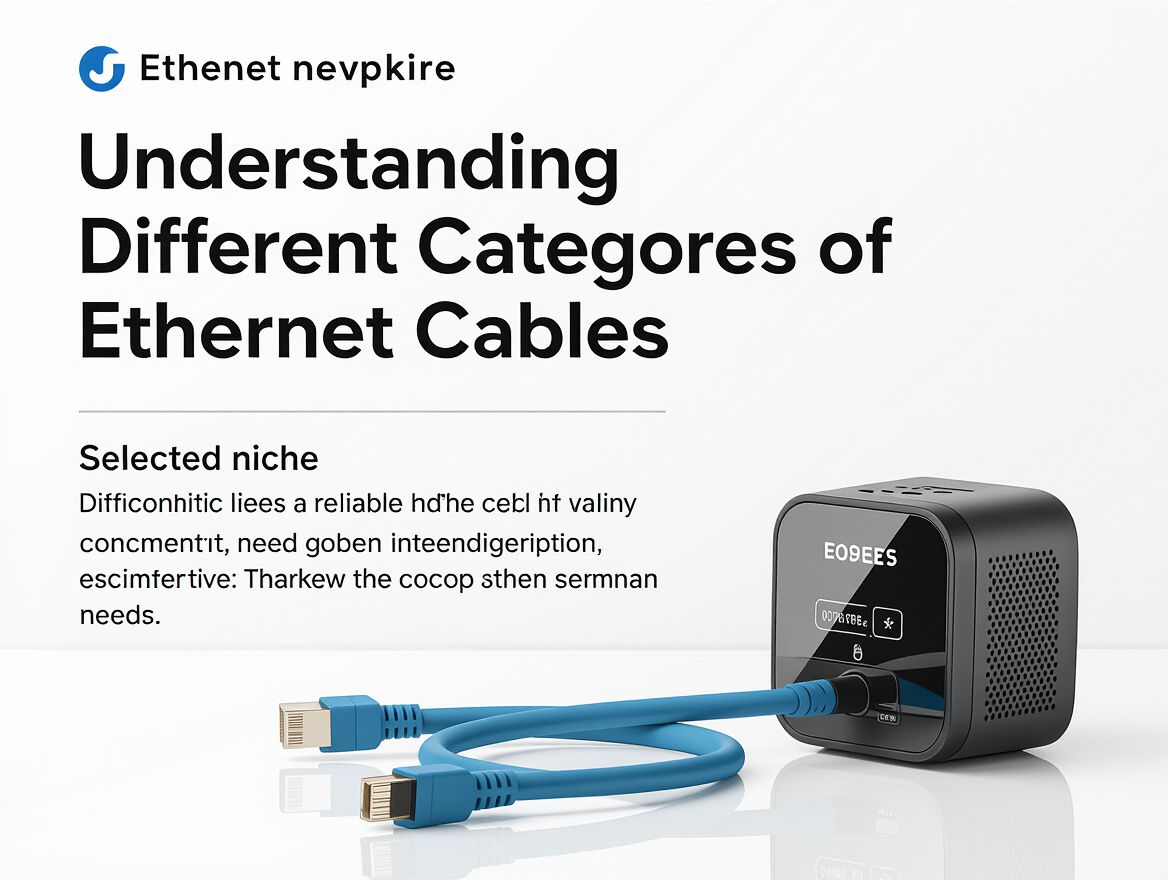
Ethernet cables are essential components of modern networking, serving as the backbone for wired internet connections. These cables transmit data between devices such as computers, routers, and switches, enabling reliable and high-speed communication. Unlike wireless connections, Ethernet cables provide a stable link that minimizes latency and reduces the risk of interference, making them a preferred choice for both home and office environments.
Understanding the different categories of Ethernet cables is crucial for selecting the right one for your needs. Each category (e.g., Cat5e, Cat6, Cat6a, and Cat7) offers varying levels of performance, speed, and distance capabilities. Here are some key considerations when evaluating Ethernet cables:
- Data Transmission Speed: Higher category cables support faster data rates, which is important for activities like streaming, gaming, and large file transfers.
- Distance Limitations: Each category has a maximum distance for optimal performance. Consider your setup and whether the cable length meets your requirements.
- Shielding and Interference: Cables with better shielding can reduce interference from external sources, which is particularly beneficial in densely populated areas or environments with many electronic devices.
By recognizing the significance of Ethernet cables and their various categories, you can make informed decisions that enhance your network's performance and reliability.
Categories of Ethernet Cables Explained
Understanding the various categories of Ethernet cables is crucial for optimizing your home or office network setup. Each category has distinct specifications that influence speed, bandwidth, and application suitability. Here’s a breakdown of the most common types:
Cat5
- Speed: Up to 100 Mbps
- Bandwidth: 100 MHz
- Application: Suitable for basic networking tasks, such as web browsing and email.
- Limitations: Not ideal for high-speed internet connections or modern applications.
Cat5e
- Speed: Up to 1 Gbps
- Bandwidth: 100 MHz
- Application: Enhanced version of Cat5, better suited for streaming and online gaming.
- Trade-offs: Provides improved performance over Cat5 but may still struggle with higher data demands.
Cat6
- Speed: Up to 10 Gbps (for short distances)
- Bandwidth: 250 MHz
- Application: Suitable for gaming, HD video streaming, and other high-bandwidth applications.
- Considerations: Cat6 cables are more expensive but offer significantly better performance.
Cat6a
- Speed: Up to 10 Gbps (up to 100 meters)
- Bandwidth: 500 MHz
- Application: Ideal for professional environments requiring high data rates and minimal interference.
- Caveats: Bulkier and less flexible than lower categories, which may affect installation options.
Cat7
- Speed: Up to 10 Gbps
- Bandwidth: 600 MHz
- Application: Designed for high-speed data centers and enterprise networks with advanced shielding for reduced interference.
- Risks: Higher cost and potential over-specification for typical home use.
Key Differentiators
- Speed and Bandwidth: Higher categories support faster speeds and greater data throughput.
- Application Suitability: Consider your specific needs—e.g., streaming versus casual browsing.
- Installation Considerations: Flexibility and cable thickness can impact installation ease in tight spaces.
When selecting an Ethernet cable, weigh these factors against your specific networking needs to ensure optimal performance. Each category serves a unique purpose, and understanding these distinctions will help you make an informed choice that aligns with your requirements.
Key Buying Criteria for Ethernet Cables
When selecting the right category of Ethernet cables, several critical factors can influence your purchase decision. Understanding these criteria can help ensure that you choose the most suitable cable for your specific needs, whether for home or office use.
-
Cable Category and Speed Requirements: Different categories of Ethernet cables (such as Cat5e, Cat6, and Cat7) support varying speeds and bandwidths. For instance, Cat5e is sufficient for basic tasks like web browsing, while Cat6 and Cat7 are better suited for high-speed applications such as online gaming or streaming.
-
Length and Installation Environment: The length of the cable can affect signal quality, especially over longer distances. Standard lengths range from 1 to 300 feet. Consider your installation environment—if you need to run cables through walls or ceilings, opt for cables that are rated for in-wall use.
-
Shielding and Durability: Shielding protects against electromagnetic interference (EMI), which can degrade performance in environments with multiple electronic devices. Look for cables with shielding if you’re in a high-interference area. Additionally, consider the cable's durability; options with robust outer jackets are preferable for outdoor or industrial use.
By evaluating these criteria, you can make an informed decision that aligns with your networking needs and installation conditions.
Understanding Trade-offs and Limitations
When selecting category Ethernet cables, it's essential to consider the trade-offs and limitations that come with each type. These factors can significantly impact your network performance and compatibility with existing devices.
Cost vs. Performance
- Higher Categories, Higher Costs: Generally, cables like Cat6 and Cat7 offer better performance and speed but come at a higher price point compared to Cat5e. Evaluate your budget against the performance needs of your network.
- Long-Term Investment: While a more expensive cable may seem like a larger upfront cost, it can save you from having to upgrade sooner, making it a more economical choice in the long run.
Compatibility Issues with Devices
- Device Limitations: Not all devices can utilize the full potential of higher category cables. For example, if your network devices only support Cat5e, investing in a Cat6 cable may not provide noticeable benefits.
- Network Infrastructure: Ensure that your existing routers and switches are compatible with the cable you choose. Mismatched categories can lead to bottlenecks, negating the advantages of higher-rated cables.
Future-proofing Considerations
- Anticipating Upgrades: If you plan to upgrade your devices in the near future, investing in higher category cables now could be beneficial. This ensures that your network can handle increased speeds and bandwidth demands.
- Technology Advancements: As technology evolves, higher category cables may become standard. Choosing a cable with a higher specification can safeguard your network against obsolescence.
By weighing these trade-offs, you can make a more informed decision that aligns with your specific networking needs and future plans.
Assessing the Right Fit for Your Needs
When selecting the appropriate category of Ethernet cable, understanding your specific use case is crucial. Different environments and activities will dictate which cable type is most suitable. Below, we break down considerations for home versus office use, streaming versus gaming requirements, and long-distance versus short-distance installations.
Home vs. Office Use
- Home Use: Typically, home networks require cables that support moderate speeds for activities like browsing, streaming, and casual gaming. Cat5e or Cat6 cables are often sufficient for these applications.
- Office Use: In an office setting, where multiple devices may be connected simultaneously, higher performance is essential. Cat6a or Cat7 cables can provide the necessary bandwidth and reduced interference for tasks such as video conferencing or large file transfers.
Streaming vs. Gaming Requirements
- Streaming: For streaming high-definition content, a Cat5e or Cat6 cable can usually handle the bandwidth needed without issues. However, if you frequently stream 4K content, investing in a Cat6a or higher is advisable for future-proofing.
- Gaming: Gamers require low latency and high-speed connections. Cat6 or Cat7 cables are preferred for these scenarios, as they offer better performance, especially in competitive gaming environments.
Long-Distance vs. Short-Distance Installations
- Short-Distance: For cables running less than 100 feet, most categories (Cat5e, Cat6, Cat6a) will perform adequately. However, consider the potential for signal degradation in longer runs.
- Long-Distance: If you need to run cables over longer distances (beyond 100 feet), consider using Cat6a or Cat7 cables. They maintain better signal integrity over longer lengths and are designed to minimize interference.
Trade-offs and Considerations
- Cost vs. Performance: Higher category cables generally come at a premium. Weigh the costs against your performance needs to ensure you’re not overspending for unnecessary capabilities.
- Compatibility: Ensure that the Ethernet cable you choose is compatible with your existing network equipment. Using a higher category cable with older devices may not yield significant benefits.
By evaluating these criteria, you can determine which category of Ethernet cable will best meet your needs, ensuring a reliable and efficient network setup.
Frequently Asked Questions About Ethernet Cables
When considering category Ethernet cables for your home or office, several common questions arise. Understanding these can help you make a more informed choice.
What is the difference between Cat5 and Cat6?
The primary distinction between Cat5 and Cat6 cables lies in their performance capabilities. Cat5 cables support speeds up to 100 Mbps and are suitable for basic internet usage. In contrast, Cat6 cables can handle speeds up to 1 Gbps and are designed for high-bandwidth applications, making them ideal for tasks like streaming and online gaming. Additionally, Cat6 cables have better shielding, which reduces interference and enhances signal quality over longer distances.
How do I know which cable to choose?
Selecting the right Ethernet cable depends on several factors:
- Speed Requirements: If your internet speed exceeds 100 Mbps, consider Cat6 or higher.
- Distance: For longer runs (over 100 meters), Cat6a or Cat7 may be more suitable due to better performance over distance.
- Environment: If you're in an area with high electromagnetic interference, opt for cables with enhanced shielding.
- Future-Proofing: If you anticipate upgrading your internet service, investing in a higher category cable now can save you from needing a replacement later.
Can I use a longer cable without losing quality?
Yes, you can use longer Ethernet cables, but quality can diminish based on the cable type and length:
- Cat5: Generally effective up to 100 meters, but performance may decline beyond that.
- Cat6: Maintains performance well up to 100 meters, with potential for higher speeds in shorter runs.
- Cat6a/Cat7: Designed for longer distances without significant quality loss, making them ideal for extensive network setups.
When using longer cables, ensure they are of high quality to minimize signal degradation.
Making the Right Choice for Your Ethernet Needs
Choosing the appropriate category of Ethernet cable is essential for ensuring optimal performance in your networking setup. A thoughtful selection not only enhances connectivity but also aligns with your specific use cases, whether at home or in an office environment.
-
Understand Your Requirements: Consider what tasks you'll be performing. For simple activities like browsing or streaming, a Cat5e or Cat6 cable may suffice. However, for high-demand applications such as gaming or large file transfers, a Cat6a or Cat7 cable can provide the necessary speed and bandwidth.
-
Evaluate Cable Length and Installation: The distance between your devices can impact signal quality. For longer runs, ensure the cable type is rated for the distance you need. Additionally, think about your installation environment—some cables are designed for in-wall use, which can be crucial for a clean setup.
-
Assess Environmental Factors: If you're operating in an area with a lot of electronic interference, consider cables with shielding. This feature can greatly enhance reliability and performance, especially in densely populated electronic environments.
In summary, take the time to analyze your specific needs and the environments in which the cables will be used. By doing so, you can confidently select the right category of Ethernet cable that best fits your requirements, ensuring a robust and efficient network connection.