Right Angle Ethernet Cables: The Space-Saving Solution
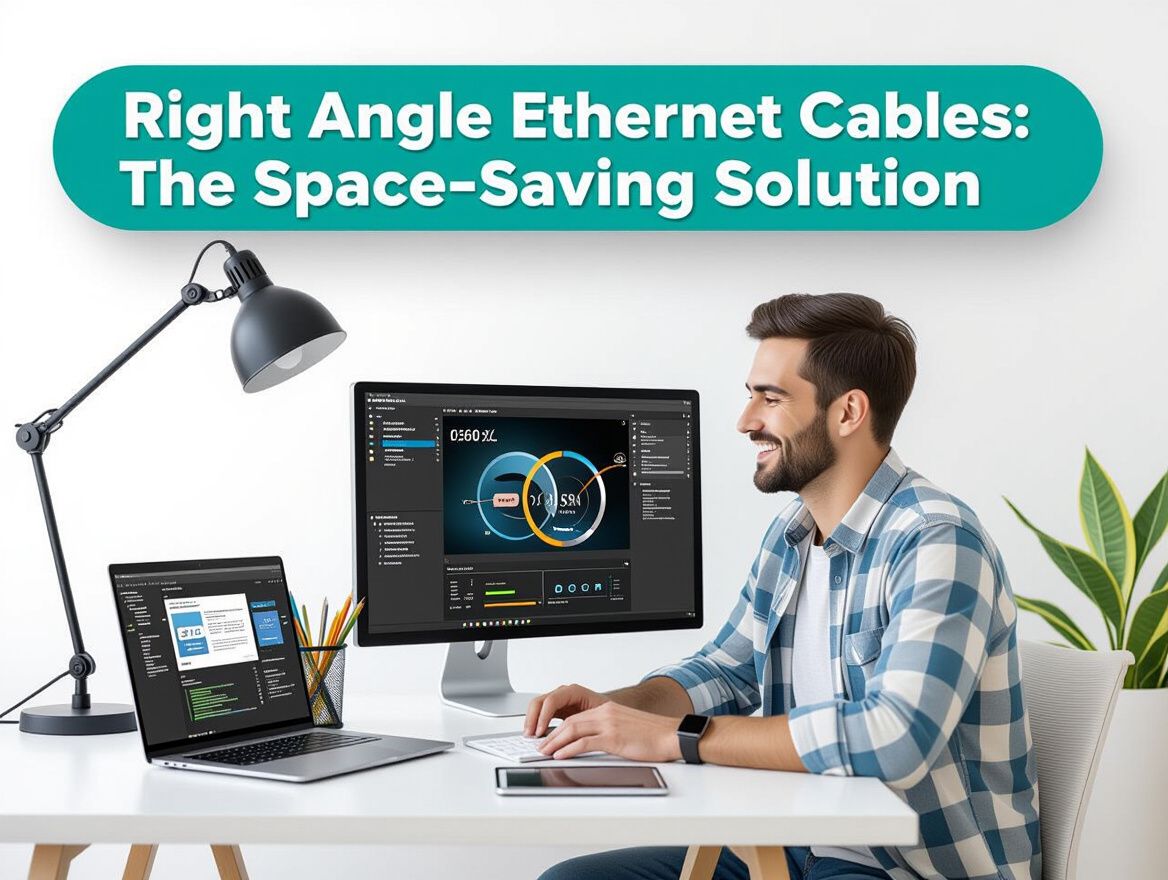
Understanding Right Angle Ethernet Cables
Right angle ethernet cables are designed with a connector that bends at a 90-degree angle, providing a space-efficient solution for networking in tight areas. These cables are particularly beneficial in environments where traditional straight connectors might obstruct other devices or furniture, making it challenging to manage space effectively.
Common Use Cases and Scenarios
- Home Entertainment Systems: Ideal for connecting devices like gaming consoles, media players, or routers in compact setups where space is limited.
- Office Configurations: Useful in cubicles or densely packed workstations, allowing for a cleaner look and reducing cable clutter.
- Wall-Mounted Devices: Perfect for connecting wall-mounted TVs or monitors to network sources without the cable protruding awkwardly.
Choosing right angle ethernet cables can significantly enhance your network setup, but it’s essential to consider the following factors:
- Fit and Compatibility: Ensure that the right angle connector fits the available space and does not interfere with adjacent devices.
- Cable Length: Assess the length needed for your specific setup to avoid excess slack or tension.
- Quality of Materials: Look for cables made with durable materials to prevent wear and tear, especially in high-traffic areas.
By understanding these practical applications and considerations, you can make informed decisions that optimize your network connectivity while maintaining a tidy and functional environment.
Why Choose Right Angle Ethernet Cables?
Right angle ethernet cables offer a unique solution for users looking to optimize their network setups in tight spaces. Their distinct design provides several advantages that can enhance both functionality and aesthetics in home and office environments.
-
Space-Saving Benefits: The right angle connector allows for tighter cable management, making it easier to fit cables behind furniture or into corners without compromising performance. This is especially useful in areas where traditional straight cables may create bulk or become unsightly.
-
Reduced Strain on Ports: By positioning the cable at a right angle, these cables minimize the stress placed on the ethernet ports of devices. This can extend the lifespan of both the cable and the device, as it reduces the likelihood of damage from bending or pulling.
-
Enhanced Cable Management: Right angle cables facilitate better organization by allowing users to direct cables along walls or furniture edges. This not only keeps spaces tidy but also reduces the risk of tripping hazards and tangling, which can be particularly important in high-traffic areas.
When considering the switch to right angle ethernet cables, it's essential to evaluate your specific needs, such as the layout of your space and the devices you are connecting. Understanding these advantages can help you make an informed decision that enhances your network setup without introducing unnecessary clutter or complications.
Key Buying Criteria for Right Angle Ethernet Cables
When considering right angle ethernet cables for your network setup, especially in tight spaces, several essential factors can guide your purchase decision. Here’s a checklist to help you evaluate the best options for your needs:
-
Cable Length and Compatibility:
- Ensure the cable length fits your setup without excess slack. Measure the distance from your device to the network source to select the right length.
- Check compatibility with your devices. Most right angle ethernet cables are compatible with standard Ethernet ports, but verify that they meet the specifications for your network equipment.
-
Connector Types and Orientation:
- Right angle connectors can come in various orientations (left, right, or down). Choose an orientation that best fits your space and minimizes strain on the cable.
- Ensure the connectors are compatible with your devices. Some devices may require specific types of connectors, such as RJ45.
-
Material Quality and Durability:
- Look for cables made from high-quality materials that can withstand bending and twisting, which is crucial in tight spaces.
- Check for features like shielding that can help reduce interference and enhance performance, especially in environments with multiple electronic devices.
By carefully considering these criteria, you can ensure that your right angle ethernet cable not only fits your spatial constraints but also meets your performance needs effectively.
Trade-Offs and Considerations
While right angle ethernet cables offer notable advantages, potential drawbacks should also be considered before making a purchase. Understanding these trade-offs can help users make informed decisions tailored to their specific setups.
-
Limitations in Certain Setups: Right angle connectors may not fit all spaces equally well. In some cases, the design might obstruct access to nearby ports or limit the range of motion for devices. It's essential to evaluate the physical layout of your workspace to ensure compatibility.
-
Compatibility Issues with Specific Devices: Not all devices accommodate right angle connectors seamlessly. Some equipment may require a straight connector due to the design of their ports. Before opting for these cables, verify that your devices can accommodate them without issue.
-
Potential for Signal Interference: Although generally reliable, the construction of right angle ethernet cables can lead to increased susceptibility to signal interference in certain environments. This risk is especially relevant in areas with a high density of electronic devices or where cables are run alongside power lines. Consider the electromagnetic environment when selecting these cables.
By weighing these considerations against the benefits, users can better assess whether right angle ethernet cables are the right solution for their networking needs. Taking the time to evaluate your specific circumstances will enhance the effectiveness of your network setup while minimizing potential complications.
Frequently Asked Questions
When considering right angle ethernet cables for your network setup, you may have some common queries regarding their functionality and suitability. Here are answers to frequently asked questions that can help clarify their benefits and applications.
What buyer problem do right angle ethernet cables solve?
Right angle ethernet cables primarily address space constraints in network setups. Traditional straight cables can be cumbersome, especially in tight spaces where connections are made behind desks or furniture. The right angle design allows for a more compact fit, reducing the bulk that can obstruct airflow or create visual clutter in your environment.
How do they compare with standard cables?
While standard ethernet cables are versatile, they can be less effective in confined spaces. Right angle cables provide the same data transmission capabilities but are specifically designed to navigate tight corners and avoid port strain. This makes them ideal for setups where conventional cables may be difficult to manage or could potentially damage devices due to bending.
What scenarios are best suited for their use?
Right angle ethernet cables are particularly beneficial in the following scenarios:
- Home Offices: Where desks are pushed against walls, and cable management is crucial for a clean look.
- Entertainment Centers: To connect devices like gaming consoles or streaming boxes that are often placed in tight spaces.
- Networking Closets: Where space is limited and organization is key to maintaining a functional setup.
By understanding these aspects, you can better assess whether right angle ethernet cables are the right choice for your specific networking needs, ensuring a more efficient and aesthetically pleasing installation.
Making the Right Choice
Choosing the right angle ethernet cables can significantly enhance your network setup, especially in tight spaces. As you consider this option, it's important to recap the advantages while also weighing potential considerations based on your specific environment and needs.
Advantages to Consider:
- Space Efficiency: Ideal for cramped areas, right angle cables allow for a cleaner look and better organization, reducing clutter caused by traditional straight cables.
- Durability: The design minimizes wear and tear on both the cable and the device ports, potentially extending their lifespan.
- Safety: Improved cable management reduces tripping hazards and keeps cables from tangling, which is particularly beneficial in busy environments.
Considerations Before Buying:
- Length and Fit: Ensure the cable length suits your setup, as right angle connectors may affect how far you can run the cable.
- Device Compatibility: Check if your devices can accommodate the right angle connector without obstruction.
- Performance Needs: Assess whether the cable's specifications meet your speed and bandwidth requirements, particularly for high-demand applications.
Before making a purchase, take a moment to assess your personal needs and the specific layout of your space. By doing so, you can confidently choose the right angle ethernet cables that will best optimize your network while addressing any potential limitations.