Ethernet Cables and Splitters: What You Need to Know
Understanding Ethernet Cables and Splitters
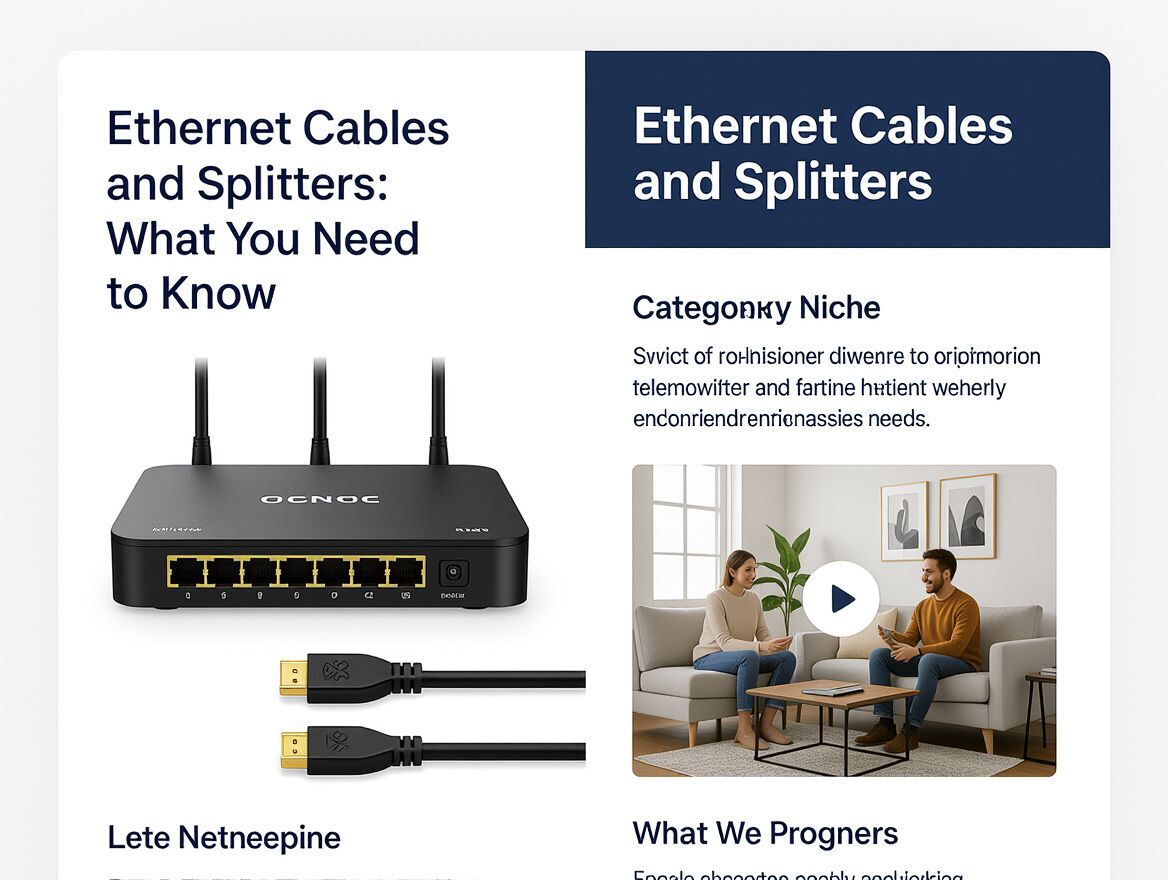
Ethernet cables and splitters play a crucial role in enhancing your network setup, ensuring stable and high-speed internet connectivity.
Definition and Functionality
- Ethernet Cables: These are the physical wires that connect devices such as computers, routers, and switches within a local area network (LAN). They facilitate data transmission through electrical signals, with various categories (e.g., Cat5e, Cat6) offering different speeds and bandwidths.
- Ethernet Splitters: These devices allow you to connect multiple devices to a single Ethernet cable. A splitter can divide the signal to enable multiple connections, making it easier to expand your network without running additional cables.
Importance in Network Connectivity
- Enhanced Speed: Unlike Wi-Fi, which can be affected by interference and distance, Ethernet connections typically provide a more consistent and faster internet experience.
- Reduced Latency: Ethernet cables minimize lag, making them ideal for activities that require real-time data transfer, such as gaming or video conferencing.
- Improved Reliability: Wired connections are less prone to disruptions compared to wireless signals, ensuring a stable connection for all your devices.
Understanding the role of Ethernet cables and splitters is essential for optimizing your home or office network, allowing you to make informed decisions when selecting the right components for your setup.
Key Features to Consider
When optimizing your network setup with ethernet cables and splitters, understanding key features is crucial to ensure compatibility and performance. Here are essential criteria to evaluate:
-
Cable Length and Type:
- Choose the appropriate length based on your layout; too long can lead to signal loss, while too short may restrict placement.
- Common types include Cat5e, Cat6, and Cat6a. Each offers different performance levels, with higher categories generally supporting faster speeds and greater bandwidth.
-
Splitter Specifications:
- Ensure the splitter is compatible with your devices. Check for the number of ports and the maximum data transfer rate supported.
- Look for passive vs. active splitters; active splitters can amplify signals, which may be necessary for longer cable runs.
-
Data Transfer Speeds and Bandwidth:
- Review the maximum speeds supported by the cable type. For instance, Cat6 can handle up to 10 Gbps over short distances, while Cat5e typically supports up to 1 Gbps.
- Consider your internet speed and network demands. If multiple devices will be connected simultaneously, prioritize cables and splitters that can handle higher bandwidths.
By carefully assessing these features, you can make informed decisions that enhance your internet connectivity and ensure a robust network setup.
Trade-offs and Fit Limitations
When optimizing your network setup with ethernet cables and splitters, understanding the trade-offs and fit limitations is crucial to making informed decisions. The choice of cable type can significantly impact performance, while using splitters may introduce complications that can affect your overall connectivity.
Benefits of Higher Category Cables vs. Standard Options
- Speed and Bandwidth: Higher category cables (e.g., Cat6, Cat6a, Cat7) support greater speeds and bandwidth compared to standard options like Cat5e. This is particularly important for high-demand applications such as gaming or streaming.
- Future-Proofing: Investing in higher category cables can be a long-term solution, ensuring compatibility with future internet speeds as technology advances.
- Reduced Interference: Higher category cables often have better shielding, which minimizes interference from external sources, leading to a more stable connection.
Potential Issues with Using Splitters
- Bandwidth Limitation: Splitters can divide the available bandwidth among multiple devices, which may lead to slower speeds if several devices are connected simultaneously. This can be a significant drawback for users with high bandwidth needs.
- Incompatibility: Not all splitters are created equal; some may not support the higher speeds of advanced ethernet cables, leading to bottlenecks in performance.
- Complexity in Setup: Introducing splitters can complicate network configurations, especially in larger setups where managing multiple connections becomes challenging.
Compatibility Challenges with Older Devices
- Legacy Equipment: Older devices may only support lower category cables, which can limit the effectiveness of upgraded cables. It's essential to ensure that your existing hardware is compatible with the cables you plan to use.
- Signal Degradation: Using newer cables with older devices may not yield the expected performance improvements, as the bottleneck often lies in the older technology not being able to handle the enhanced capabilities of the newer cables.
By weighing these trade-offs and considering the fit limitations of your specific network setup, you can make a more informed choice about which ethernet cables and splitters will best meet your connectivity needs.
Risks and Common Pitfalls
When optimizing your network setup with ethernet cables and splitters, understanding the associated risks is crucial for maintaining performance and stability. Poor choices can lead to significant issues that affect your internet experience.
-
Impact of Low-Quality Cables on Network Performance: Using subpar ethernet cables can result in reduced speed and increased latency. Low-quality materials may not support higher data transfer rates, leading to bottlenecks that can frustrate users, especially during high-demand activities like streaming or gaming.
-
Risks of Using Incompatible Splitters: Not all splitters are compatible with every ethernet cable or network setup. Using an incompatible splitter can lead to signal degradation or loss, resulting in intermittent connectivity issues. Always check compatibility to ensure effective data transmission.
-
Long-Term Implications of Network Instability: Persistent issues caused by poor-quality cables or unsuitable splitters can lead to long-term network instability. This can affect your devices' connectivity, requiring frequent troubleshooting and potentially leading to costly replacements or upgrades down the line.
By being aware of these risks, you can make more informed decisions when selecting ethernet cables and splitters, ultimately enhancing your network's performance and reliability.
Frequently Asked Questions
Understanding Ethernet cables and splitters can raise several questions for consumers looking to enhance their network setups. Here are answers to some common inquiries:
What buyer problem do ethernet cables and splitters solve?
Ethernet cables and splitters address several connectivity challenges:
- Limited Connectivity: They provide a reliable solution for connecting multiple devices in a network, especially in spaces where Wi-Fi signals may be weak or inconsistent.
- Network Expansion: Splitters allow users to maximize existing cabling infrastructure, connecting multiple devices without the need for additional cables, which can be both cost-effective and space-saving.
- Stability and Speed: Unlike wireless connections, which can be affected by interference, Ethernet cables ensure a stable connection, reducing the likelihood of interruptions during critical tasks like streaming or gaming.
How to choose the right cable length?
Selecting the appropriate cable length is crucial for optimal performance:
- Measure Your Space: Assess the distance between your devices and your router or switch. Add a bit of extra length to accommodate any bends or turns in the cable path.
- Avoid Excess Length: While longer cables can reach distant devices, excessive length can lead to signal degradation. Generally, it's best to keep the length under 328 feet (100 meters) for standard Ethernet cables.
- Consider Future Needs: If you're planning to rearrange your setup or add more devices, it may be wise to opt for a slightly longer cable to maintain flexibility.
Do splitters affect internet speed?
The impact of splitters on internet speed depends on several factors:
- Type of Splitter: Passive splitters simply divide the signal and may lead to a weaker connection for each device. In contrast, active splitters amplify the signal, which can help maintain speed across multiple devices.
- Bandwidth Considerations: If multiple devices are using a single splitter, they will share the available bandwidth. This means that if one device is using a significant amount of bandwidth, it could affect the performance of others.
- Quality of Components: The quality of both the splitter and the Ethernet cables can significantly influence speed. Higher-quality components are more likely to deliver consistent performance without noticeable speed loss.
By addressing these common questions, consumers can make informed decisions about the Ethernet cables and splitters that best suit their networking needs.
Making Your Decision
Choosing the right ethernet cables and splitters is vital for optimizing your network setup. Here’s a summary of critical features and risks to consider before making a purchase:
-
Assess Your Needs:
- Evaluate the number of devices you plan to connect and the layout of your space. This will help you determine the necessary cable length and the type of splitter needed.
-
Understand Cable Categories:
- Familiarize yourself with different cable categories (e.g., Cat5e, Cat6, Cat6a) and their respective speeds and bandwidth capabilities. Higher category cables generally support faster data rates but may come at a higher cost.
-
Consider Splitter Type:
- Decide between passive and active splitters based on your network demands. Active splitters can boost signals over longer distances, while passive splitters are suitable for shorter runs without the need for additional power.
-
Evaluate Potential Risks:
- Be aware of signal degradation with longer cable lengths and the limitations of splitters. Using multiple splitters can sometimes lead to reduced performance, so plan your connections accordingly.
In conclusion, carefully assessing your specific needs and understanding the trade-offs involved will empower you to make informed decisions when selecting ethernet cables and splitters. Prioritize compatibility and performance to enhance your internet connectivity effectively.