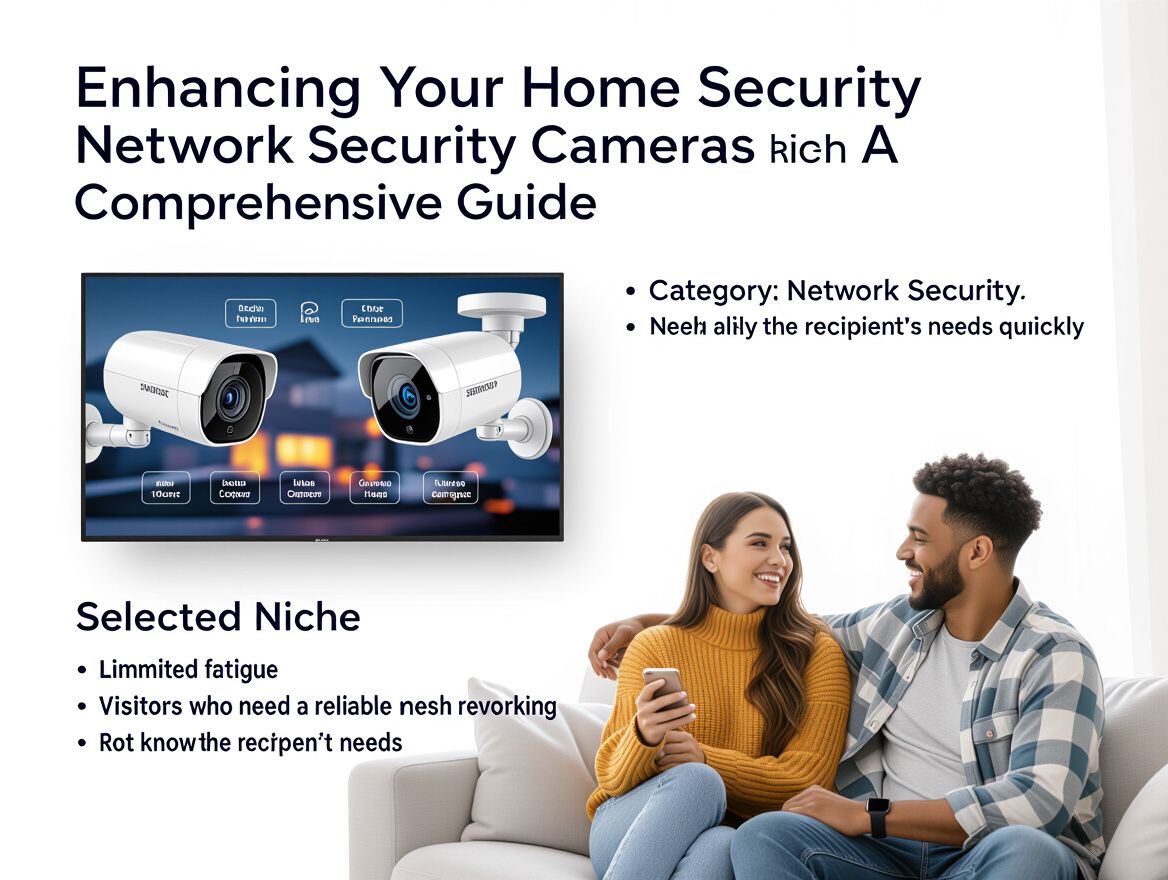
Enhancing Your Home Security with Network Security Cameras: A Comprehensive Guide
Understanding Network Security Cameras
Network security cameras have become essential components of modern home security systems, providing homeowners with enhanced surveillance capabilities. These cameras utilize internet connectivity to transmit video footage in real-time, allowing for remote monitoring and alerts directly to your devices. Their primary purpose is to deter potential intruders and provide peace of mind, knowing that your property is being monitored continuously.
Integrating network security cameras with mesh WiFi systems maximizes their effectiveness. Here’s how they enhance security:
- Real-Time Alerts: Receive immediate notifications on suspicious activities, enabling quick responses.
- Remote Access: Monitor your home from anywhere, using mobile apps or web interfaces.
- High-Quality Video: Many models offer HD or even 4K resolution, ensuring clear footage for identification purposes.
- Two-Way Audio: Communicate with visitors or deter intruders through built-in speakers and microphones.
Before purchasing network security cameras, consider how they will integrate with your existing mesh WiFi setup. This ensures coverage throughout your home and minimizes dead zones, enhancing the cameras' performance and reliability.
Key Buying Criteria for Network Security Cameras
When selecting network security cameras, especially for integration with mesh WiFi systems, it's vital to consider several key features and specifications. These criteria will help ensure you choose a camera that meets your security needs while optimizing your home network.
-
Resolution and Image Quality: Look for cameras that offer at least 1080p resolution for clear images. Higher resolutions, like 4K, can provide more detail but may require more bandwidth.
-
Field of View and Coverage Area: Consider the camera’s field of view (FOV). A wider FOV allows for greater coverage, which is essential for monitoring larger areas. Cameras with adjustable lenses can provide flexibility in coverage.
-
Night Vision Capabilities: Ensure the camera has reliable night vision features, such as infrared LEDs, to maintain visibility in low-light conditions. This is crucial for comprehensive security around the clock.
-
Storage Options (Cloud vs. Local): Determine whether you prefer cloud storage, which often comes with subscription fees but allows for remote access, or local storage options, which may require additional hardware but can be more cost-effective long-term.
-
Integration with Existing Systems (like Mesh WiFi): Ensure the camera is compatible with your mesh WiFi system. This integration can enhance connectivity and reduce dead zones, allowing for more reliable streaming and notifications.
By evaluating these criteria, you can make an informed decision that aligns with your specific security needs and the capabilities of your home network.
Understanding the Trade-offs of Network Security Cameras
When considering the integration of network security cameras into your home security system, it's important to weigh the potential drawbacks and trade-offs involved. Here are key considerations to keep in mind:
-
Privacy Concerns with Cloud Storage: Many network security cameras utilize cloud storage for video footage, which can raise privacy issues. Homeowners should be aware of how their data is stored, who has access to it, and the security measures in place to protect it. If privacy is a primary concern, opting for cameras that offer local storage options may be a better fit.
-
Dependence on Internet Connectivity: Network security cameras rely heavily on stable internet connectivity for functionality. If your internet goes down or experiences interruptions, this could hinder your ability to monitor your home in real-time or access recorded footage. It's crucial to assess your internet reliability and consider backup solutions, such as a secondary connection or local storage.
-
Cost Implications of High-End Models vs. Budget Options: While high-end network security cameras often come with advanced features such as higher resolution, better night vision, and enhanced security protocols, they also come with a higher price tag. Budget options may suffice for basic monitoring needs, but they might lack essential features. Evaluating your specific security needs and budget can help you determine the right balance.
By understanding these trade-offs, homeowners can make informed decisions when selecting network security cameras that best meet their security requirements while aligning with their budget and privacy preferences.
Finding the Right Fit for Your Home Security Needs
When selecting network security cameras, it's crucial to understand how different types cater to various home environments. Your choice will impact not only the effectiveness of your surveillance but also the overall integration with your mesh WiFi system. Here are key considerations to help you find the right fit:
-
Indoor vs. Outdoor Cameras:
- Indoor cameras typically have features like motion detection and two-way audio, designed for monitoring living spaces. They are usually less weather-resistant and may not function well in extreme temperatures.
- Outdoor cameras are built to withstand the elements, often featuring weatherproof casings and enhanced night vision. Consider the placement and potential obstructions like trees or walls that might affect their performance.
-
Wired vs. Wireless Options:
- Wired cameras offer a stable connection and are less prone to interference, making them suitable for high-demand surveillance areas. However, installation can be complex and may require professional assistance.
- Wireless cameras, on the other hand, are easier to install and more flexible in placement. Ensure your mesh WiFi system has sufficient coverage to avoid connectivity issues, which can affect video quality and alert reliability.
-
Smart Home Compatibility:
- Evaluate whether the network security cameras can seamlessly integrate with your existing smart home devices. Compatibility with platforms like Amazon Alexa or Google Assistant can enhance functionality, allowing for voice commands and automation routines.
- Consider the potential for future expansions. A camera that works well with other smart devices may provide added value as you upgrade your home security system.
Understanding these distinctions helps you evaluate how network security cameras will fit into your home’s layout and technological framework. By assessing your specific needs against these criteria, you can make a more informed decision that enhances your home security effectively.
Frequently Asked Questions About Network Security Cameras
When considering network security cameras, potential buyers often have several common queries that can influence their decision-making process. Here are answers to some of the most frequently asked questions regarding these devices and their integration with mesh WiFi systems.
What are the main differences between network security cameras and traditional cameras?
Network security cameras, unlike traditional analog cameras, leverage internet connectivity to transmit data. This key difference allows for:
- Remote Monitoring: Access footage from anywhere via smartphone or computer.
- Higher Resolution: Many network cameras provide HD or higher video quality, enhancing clarity for identification.
- Smart Features: Integration with other smart home devices and features like motion detection, alerts, and cloud storage.
Traditional cameras typically require direct connections to a recording device and lack the flexibility and advanced features of network cameras.
How do network security cameras work with mesh WiFi systems?
Integrating network security cameras with mesh WiFi systems enhances their functionality by ensuring comprehensive coverage throughout your home. Key benefits include:
- Elimination of Dead Zones: Mesh systems provide a stronger and more reliable signal, reducing areas where the camera may struggle to connect.
- Improved Streaming Quality: A stable WiFi connection allows for smooth video streaming and reduces lag time when accessing live feeds.
- Scalability: Adding more cameras is easier with a mesh network, as they can seamlessly connect to the existing system without compromising performance.
What are the installation requirements for network security cameras?
Installation requirements for network security cameras can vary based on the model and your home setup. Here are some considerations:
- Power Source: Ensure that there is a power outlet nearby unless you opt for battery-operated models.
- WiFi Coverage: Verify that your mesh WiFi system provides adequate coverage in the areas where you intend to install the cameras.
- Mounting Options: Check if the camera comes with the necessary mounts or if additional hardware is needed for installation.
- App Compatibility: Most cameras require a dedicated app for setup and monitoring, so ensure your smartphone is compatible.
Understanding these aspects can help streamline the process and enhance the effectiveness of your home security system.
Making the Final Decision on Network Security Cameras
As you consider enhancing your home security with network security cameras, it’s crucial to evaluate your unique needs and budget. These cameras offer a range of features that can significantly improve your security, but not all options will fit every situation.
Key Considerations
-
Integration with Mesh WiFi: Ensure that the cameras you choose work seamlessly with your mesh WiFi system. This will help eliminate dead zones and maintain a stable connection, which is vital for real-time monitoring and alerts.
-
Coverage Area: Assess the areas of your home that require surveillance. Depending on your layout, you may need multiple cameras to cover all entry points effectively.
-
Budget Constraints: Determine how much you are willing to invest. Prices can vary widely based on features, such as video resolution and storage options, so align your choice with your financial plan.
Trade-offs to Consider
-
Wired vs. Wireless: Wireless cameras offer flexibility in placement but may be susceptible to WiFi interference. Wired options generally provide more reliable connections but can be more challenging to install.
-
Resolution Needs: Higher resolution cameras (e.g., 4K) provide clearer images but can require more bandwidth and storage. Consider what level of detail is necessary for your security needs.
-
Storage Options: Decide between cloud storage and local storage. Cloud solutions often come with ongoing fees, while local storage requires upfront investment in hardware.
Risks and Caveats
-
Privacy Concerns: Be aware of potential privacy issues, especially if cameras are placed near windows or in common areas. Ensure you comply with local laws regarding surveillance.
-
Compatibility Issues: Before purchasing, verify that the cameras are compatible with your existing devices and systems to avoid future headaches.
By carefully weighing these factors, you can make a more informed decision that aligns with your security goals and lifestyle.
Conclusion: Enhancing Your Home Security
Integrating network security cameras with mesh WiFi systems is a pivotal step in fortifying your home’s security. This combination not only ensures comprehensive coverage but also enhances the functionality of your surveillance setup. Here are the key benefits that underscore this integration:
- Seamless Connectivity: Mesh WiFi systems eliminate dead zones, allowing your network security cameras to function optimally throughout your home, regardless of the layout.
- Improved Video Quality: With reliable internet access, you can enjoy uninterrupted high-definition video feeds, which are crucial for identifying potential threats.
- Flexible Monitoring Options: The ability to access your cameras remotely through a robust WiFi connection provides peace of mind, knowing you can check in on your property at any time.
When considering a purchase, it’s essential to evaluate how well a network security camera will fit into your existing mesh WiFi system. Assess factors such as compatibility, coverage needs, and the specific features that align with your security goals.
By making informed decisions and prioritizing integration, you can significantly enhance your home security, ensuring that you are well-equipped to protect your property and loved ones.