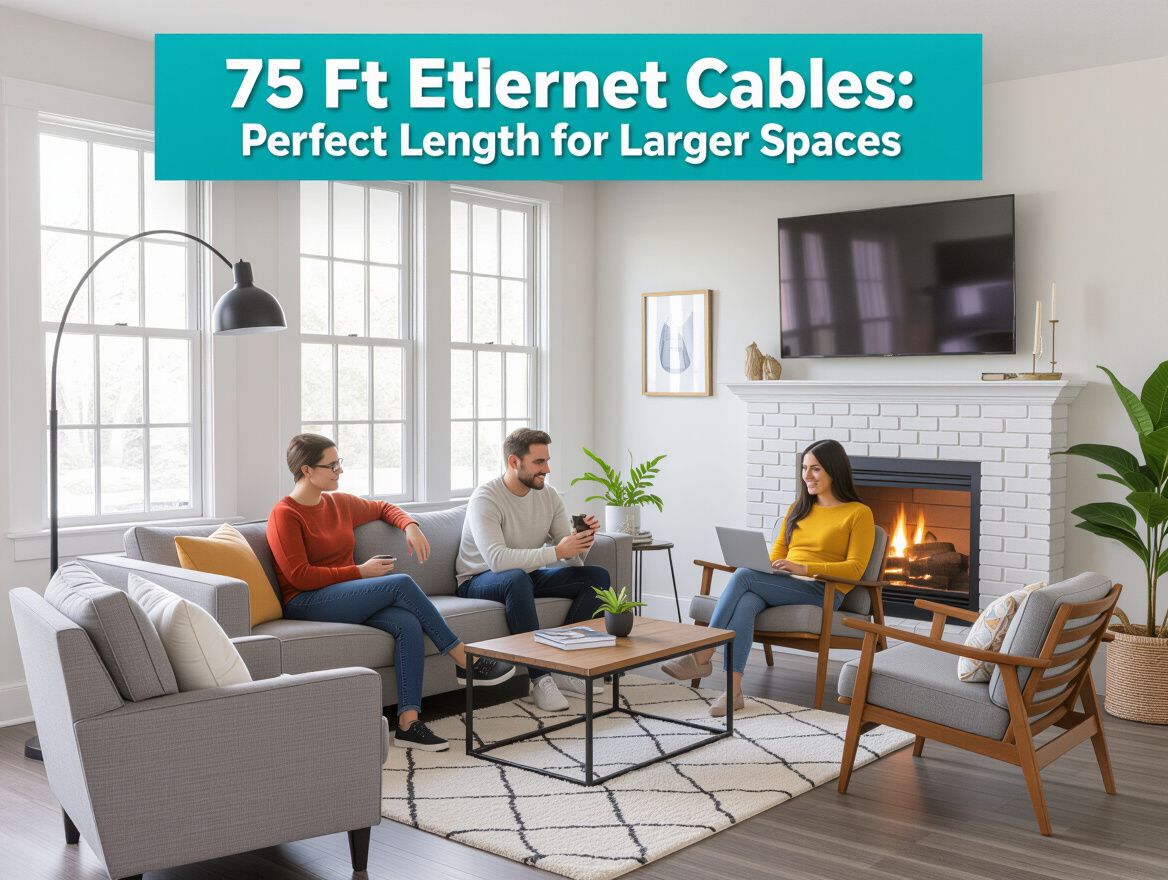
75 Ft Ethernet Cables: Perfect Length for Larger Spaces
Understanding the Importance of Cable Length
Ethernet cables play a crucial role in establishing wired internet connections, facilitating faster data transfer and more reliable connectivity compared to wireless options. For home network users, selecting the appropriate cable length is essential, especially in larger spaces where distances between devices and routers can vary significantly.
The length of an ethernet cable can impact both performance and installation. Here are some key considerations:
-
Signal Quality: Longer cables can lead to signal degradation, especially beyond 100 meters. However, a 75 ft ethernet cable typically maintains good performance for most home networking needs, ensuring minimal latency and high-speed data transfer.
-
Flexibility in Layout: A 75 ft cable provides the flexibility to connect devices that are farther apart, making it ideal for larger rooms, multi-story homes, or setups with multiple devices spread across a wide area.
-
Installation Considerations: When planning your network layout, consider the placement of furniture, walls, and any potential obstacles that could affect cable routing. A longer cable can help avoid the need for additional extensions or adapters.
-
Future-Proofing: Opting for a slightly longer cable than currently needed can be beneficial if you plan to rearrange your space or add more devices in the future.
By understanding these factors, you can make an informed decision about whether a 75 ft ethernet cable is the right choice for your specific home layout and connectivity requirements.
Key Criteria for Choosing the Right Length
When selecting a 75 ft Ethernet cable, several factors will help ensure you make the right choice for your home layout. Here’s what to consider:
-
Room Size and Layout Considerations: Assess the dimensions of the rooms where you plan to use the Ethernet cable. Longer cables can be beneficial for larger areas, but ensure that the cable routing is practical and doesn’t create tripping hazards or clutter.
-
Distance from the Router to Devices: Measure the distance from your router to the device you want to connect. A 75 ft cable is ideal for setups where the device is far from the router but still within reach. Avoid excess length that could lead to unnecessary cable management issues.
-
Potential for Signal Degradation Over Longer Distances: While Ethernet cables can transmit signals over long distances, the risk of degradation increases with length. A 75 ft cable generally maintains signal integrity well, but if your setup requires longer runs, consider potential performance impacts and whether a higher category cable might be necessary.
By evaluating these criteria, you can determine if a 75 ft Ethernet cable fits your specific networking needs and home layout effectively.
Trade-offs and Considerations
When selecting a 75 ft Ethernet cable, understanding the trade-offs between longer and shorter cables is crucial for ensuring optimal performance in larger spaces. Here are key factors to consider:
-
Cost Implications: Longer cables typically come at a higher price point. While the cost may not be significant for a single cable, it can add up if you need multiple lengths for different areas of your home. Assess your budget and weigh the necessity of the longer length against your financial constraints.
-
Flexibility in Installation and Routing: A 75 ft cable offers more flexibility in terms of routing and installation options. However, longer cables can be bulkier and may require more careful planning to avoid tangling or damage. Consider your home layout and whether the additional length will help you achieve a neater setup or if it may complicate your installation process.
-
Impact on Performance and Speed: While Ethernet cables can generally maintain performance over longer distances, signal degradation can occur with excessive lengths, particularly if you exceed 300 ft. For 75 ft cables, performance should remain strong, but it's essential to ensure that the cable is of high quality and suitable for your internet speed needs. Evaluate your network requirements to determine if the length will meet your performance expectations without compromising speed.
By carefully considering these trade-offs, you can choose a 75 ft Ethernet cable that aligns with your specific home layout and connectivity needs.
Fit Limits and Risks of Longer Cables
When considering the use of 75 ft Ethernet cables, it's essential to be aware of the limitations and potential risks associated with longer cable lengths. While they can effectively cover larger spaces, certain factors can impact your network's performance and overall setup.
Risks of Interference and Signal Loss
- Signal Degradation: Longer Ethernet cables can experience signal loss, especially if they exceed recommended lengths for optimal performance. This can lead to slower data speeds and increased latency.
- Electromagnetic Interference: Longer cables are more susceptible to interference from nearby electrical devices and other cables, which can further degrade the signal quality.
Physical Space Constraints and Management
- Cable Management Issues: Longer cables may require more careful management to avoid tangling or damage. This can complicate your setup, especially in tight spaces.
- Aesthetics and Clutter: Excess cable length can lead to a cluttered appearance, detracting from the overall look of your home environment.
Compatibility with Existing Networking Equipment
- Equipment Limitations: Not all networking devices are designed to handle longer cable runs effectively. Ensure that your router, switches, and other devices can support the length and type of cable you choose.
- Potential Need for Additional Hardware: You may need to invest in additional equipment, such as switches or extenders, to maintain optimal performance over longer distances.
By understanding these factors, you can make a more informed decision on whether a 75 ft Ethernet cable is the right choice for your specific home layout and connectivity needs.
Frequently Asked Questions
When considering ethernet cables 75 ft, many buyers have specific concerns that can influence their decision-making process. Here are some common queries and insights to help clarify the benefits and considerations of this cable length.
What buyer problem does ethernet cables 75 ft solve better than nearby alternatives?
Ethernet cables of this length are particularly advantageous for larger spaces where connectivity needs extend beyond typical room dimensions. They provide:
- Flexibility in Layout: Ideal for connecting devices that are far apart, such as a router in one room and a gaming console or PC in another.
- Reduced Latency: Longer cables can minimize interference and signal loss compared to wireless connections, ensuring a more stable internet experience.
- Future-Proofing: As homes grow and technology evolves, having a longer cable can accommodate new devices without needing to purchase additional cables.
Which use case criteria should materially change the shortlist?
When evaluating whether to choose a 75 ft ethernet cable, consider the following criteria:
- Distance Requirements: Measure the distance between your router and devices to ensure the cable length meets your specific needs.
- Network Speed: Assess the speed requirements of your internet plan; ensure that the cable category (e.g., Cat5e, Cat6) supports the necessary bandwidth.
- Installation Environment: Consider if the cable will run through walls, ceilings, or along floors, which could affect the choice based on durability and shielding needs.
What trade-offs, failure points, or fit limits should be disclosed before recommending anything?
While 75 ft ethernet cables offer many benefits, there are potential trade-offs to be aware of:
- Cable Management: Longer cables can create clutter and require more careful routing to avoid tripping hazards or damage.
- Signal Degradation: Although less common, very long cables can experience signal loss, especially if they exceed the recommended distance for optimal performance. Ensure that your setup adheres to the specifications of the cable type chosen.
- Cost Considerations: Longer cables may be more expensive than shorter alternatives, so weigh the necessity of the length against your budget.
Which claims need product data, merchant data, or source support before publishing?
Before making any claims regarding the performance or specifications of 75 ft ethernet cables, it's essential to have:
- Product Specifications: Confirm the cable category and its maximum supported speeds.
- Merchant Details: Verify pricing, availability, and warranty information from reliable sources.
- User Reviews: Gather insights from actual users to understand real-world performance and potential issues.
By addressing these FAQs, buyers can make more informed decisions regarding the selection of ethernet cables that best suit their home networking needs.
Making the Right Choice for Your Network
Choosing the right length of ethernet cable is crucial for ensuring optimal connectivity in larger spaces. A 75 ft ethernet cable can effectively bridge the distance between your router and devices located far from your main networking hub. However, it's important to assess your specific home layout and connectivity needs before making a purchase.
Key Considerations:
-
Distance Requirements: Measure the distance from your router to the desired device location. A 75 ft cable is ideal for setups where devices are significantly spaced apart, such as in large living rooms or multi-story homes.
-
Signal Quality: Longer cables can potentially lead to signal degradation. While 75 ft is generally acceptable for maintaining performance, consider the category of the cable (e.g., Cat5e, Cat6) for better bandwidth and reduced interference.
-
Future-Proofing: If you plan to upgrade your internet speed or add more devices in the future, opting for a slightly longer cable can provide flexibility for your network expansion.
-
Installation Environment: Consider the layout of your home. Cables may need to run along walls, through floors, or around furniture, which can influence the actual length needed and how you manage cable clutter.
Risk Awareness:
-
Compatibility Issues: Ensure that your devices support the ethernet cable category you choose. Some older devices may not take full advantage of high-speed cables, which could affect performance.
-
Quality vs. Cost: While it may be tempting to choose the cheapest option, investing in a quality cable can save you from future connectivity issues and the need for replacements.
By carefully considering these factors, you can make an informed decision about whether a 75 ft ethernet cable is the right choice for your home networking needs.